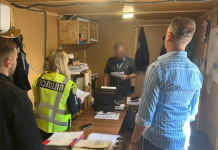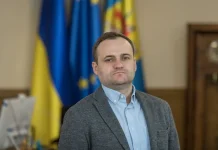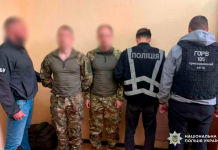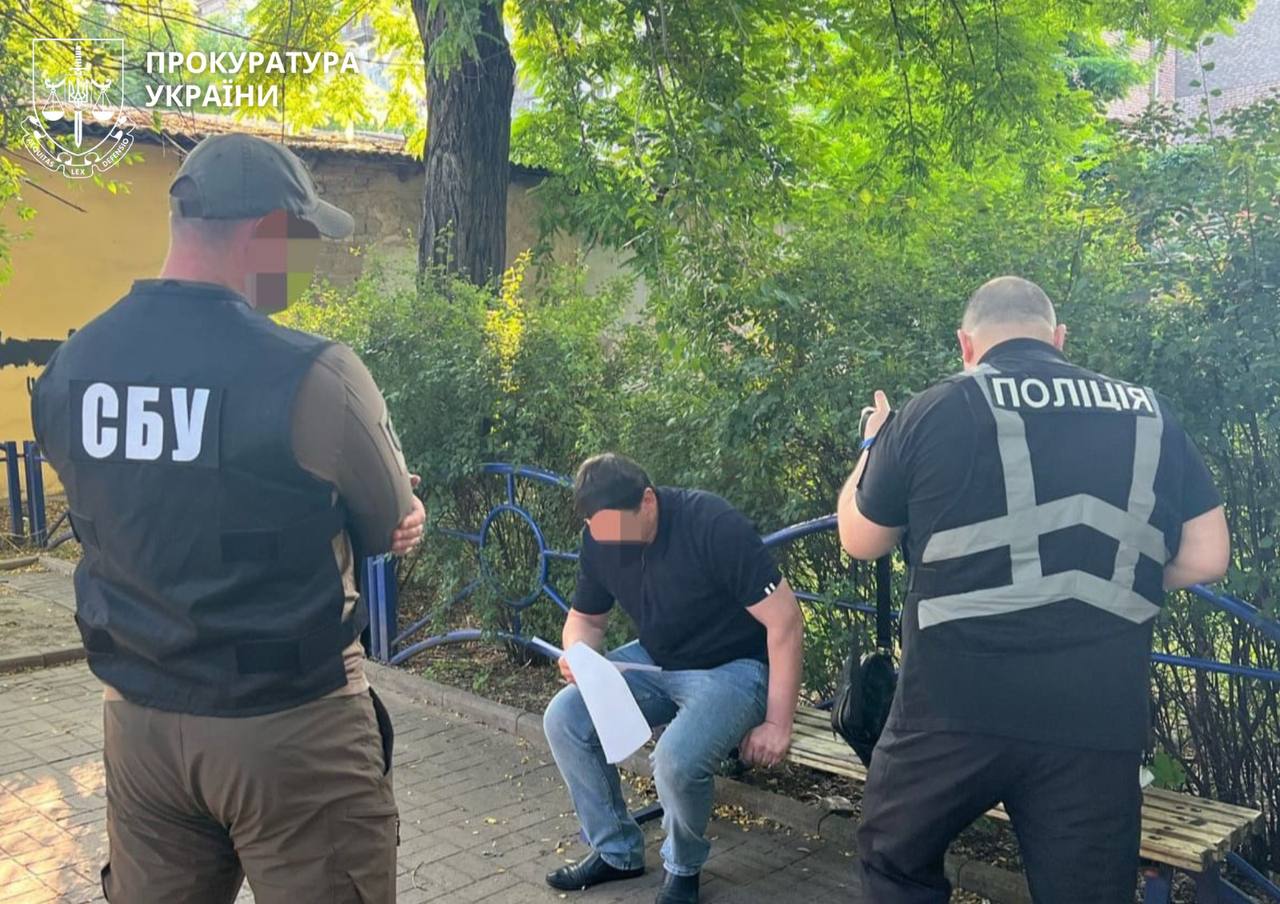
A large-scale mobilisation evasion scheme involving more than 3,000 men was uncovered in Zaporizhzhia. According to Prosecutor General Kravchenko, the organisers of the scheme received over UAH 50 million in illegal profits.
A large-scale scheme to evade mobilisation in Zaporizhzhia
In Zaporizhzhia, law enforcement officers uncovered a large-scale mobilisation evasion scheme operating on the basis of a private university. According to information released by the Prosecutor General Kravchenko, More than 3,000 men have registered as «graduate students» to avoid being drafted during martial law. According to the official Telegram channel Prosecutor General's Office, the organisers of the scheme received more than UAH 50 million in profit.
The scheme participants used fictitious registration for postgraduate studies, This gave them the right to defer mobilisation. For this, each of the men paid a significant amount of money, and the money was distributed among the organisers. The investigation established that the scheme worked systematically and involved a large number of people.
Participation of the university management
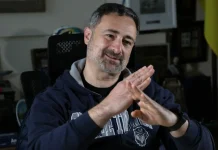
According to the investigation, senior officials of the private university were involved in organising the scheme. The rector of the institution was named as the organiser, and his daughter, who held the position of vice-rector, was also involved in the criminal activity. In addition to them, three other vice-rectors, the deputy director of one of the institutes, the head of the information systems centre and postgraduate students were involved in the scheme.
The entire «top» of the university coordinated the issuance of fictitious documents for men who wished to avoid mobilisation. The involvement of a significant number of employees in the scheme allowed the organisers to ensure its scale and secrecy.
Financial scale and implications
The total amount received by the organisers exceeded UAH 50 million. Each of the more than 3,000 men paid for paperwork to avoid conscription. These funds were distributed among the participants of the scheme, which indicates its careful organisation and high level of secrecy.
Investigations are ongoing, and the organisers face criminal liability for organising a large-scale scheme to evade mobilisation. Uncovering such a scheme is an important step in the fight against corruption and ensuring justice during martial law.
Why it matters
Exposure of similar schemes is of great public importance, especially under martial law, when the issue of mobilisation is critical to national security. Mass draft evasion undermines trust in state institutions and creates inequality among citizens.
The involvement of the management of an educational institution in criminal activity demonstrates the depth of corruption in the education sector. This is a signal to law enforcement agencies that they need to strengthen control over the activities of universities and verify the legality of deferment.
The disclosure of the scheme may also lead to changes in legislation and increased liability for fictitious documentation to avoid mobilisation.