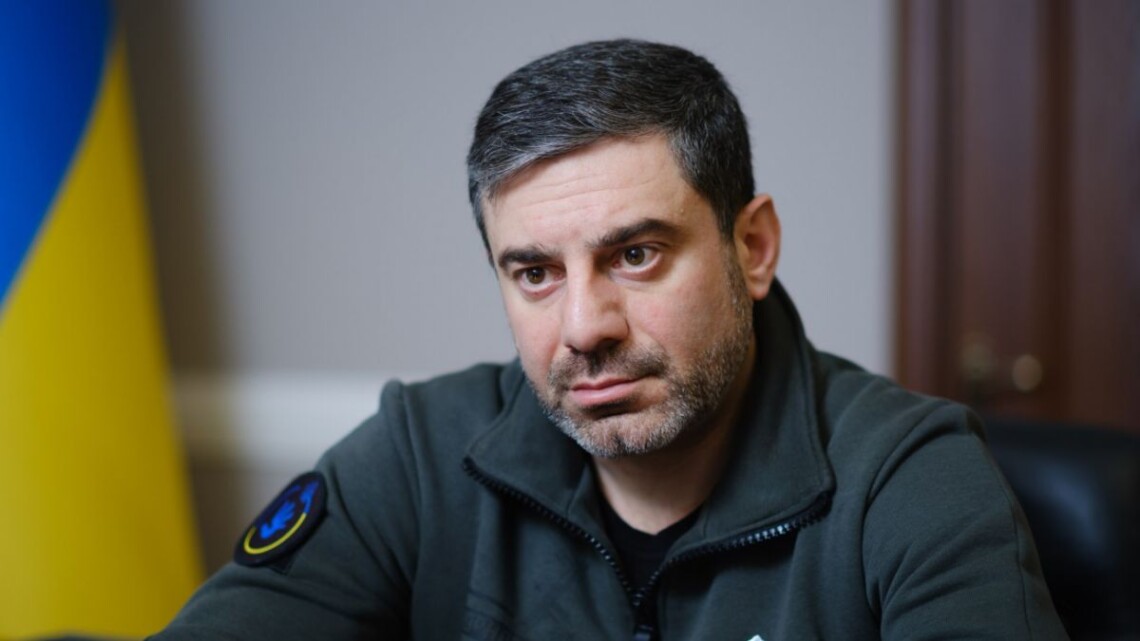
The Ukrainian Ombudsman, Dmytro Lubinets, and his Hungarian counterpart, Imre Jugasz, held a meeting in Zakarpattia, during which they discussed the protection of the rights of national minorities, in particular the Hungarian community. The visit took place against the backdrop of new agreements between the governments on expanding the linguistic, educational and cultural rights of minorities. Both sides reaffirmed their readiness for dialogue and cooperation.
Briefly about the main points
- Lubinec and Imre met in Transcarpathia to discuss minority rights.
- The visit took place following agreements on extending the rights of the Hungarian community.
- The parties confirmed their intention to deepen their cooperation and dialogue.
- The European Commission welcomes the dialogue but calls for transparent monitoring.
Key topics of the ombudsmen’s meeting
Meeting with the Ukrainian Ombudsman Dmytro Lubinets and the Hungarian Commissioner for Fundamental Rights Imre Yugaza took place in Transcarpathia, near the Ukrainian-Hungarian border. The main focus was on issues relating to the protection of equal rights and freedoms, in particular the rights of national minorities. The prospects for Ukraine’s European integration and ways of deepening cooperation between the institutions of both countries were also discussed.
Lubinec emphasised the importance of open dialogue and joint initiatives to safeguard the rights of national communities. The Hungarian Ombudsman noted positive developments in Ukraine’s attitude towards Hungarian minority, particularly in the fields of education and culture.
The context of the agreements between Ukraine and Hungary
The Hungarian Ombudsman’s visit took place against the backdrop of recent agreements between the governments of Ukraine and Hungary on expanding the linguistic, educational, cultural and political rights of the Hungarian minority. Hungary had previously expressed concern regarding the protection of the rights of its national communities in Ukraine and had blocked certain European integration processes.
Minister of Education of Ukraine Oxen Forest He emphasised that the state supports the development of education and culture within national communities, and that the new agreements do not conflict with Ukraine’s current policy. For the Hungarian community, which numbers around 100,000 people, this issue is of particular importance.
Commemorative events and symbolic gestures
During the meeting, Lubinets and Imre laid flowers at the memorials: To the Defenders of Ukraine at the «Kalvaria» historical and memorial complex, as well as at the Memorial to the heroes of Hungary’s 1956 liberation struggle and the victims of communist dictatorships.
Lubinec emphasised that remembrance should bring people together, and that substantive dialogue between the parties would continue. He promised to share the results of the forthcoming talks in the near future.
Reactions from the parties and international partners
Following the meeting, both sides reaffirmed their intention to deepen cooperation on protection of minority rights. Hungary’s Minister for Foreign Affairs, Péter Szijjártó, stated that Budapest is looking forward to the practical implementation of the agreements. The Ukrainian side emphasised that it is already operating in accordance with European standards.
The European Commission has welcomed the dialogue between Ukraine and Hungary, but has called for transparent monitoring of the fulfilment of commitments. The reactions of local Hungarian communities in Transcarpathia have not yet been made public.
Prospects and unknown aspects of future cooperation
The visit by the Hungarian Ombudsman may indicate a gradual easing of tensions in relations between the two countries. However, the issue of implementing the agreements remains a sensitive one, and further progress will depend on concrete steps taken on the ground, particularly in the fields of education and language use.
At present, there are no details regarding the mechanisms for implementing the new agreements or the response from local communities. How the situation develops will likely depend on the effectiveness of cooperation at regional level and on monitoring the fulfilment of commitments.