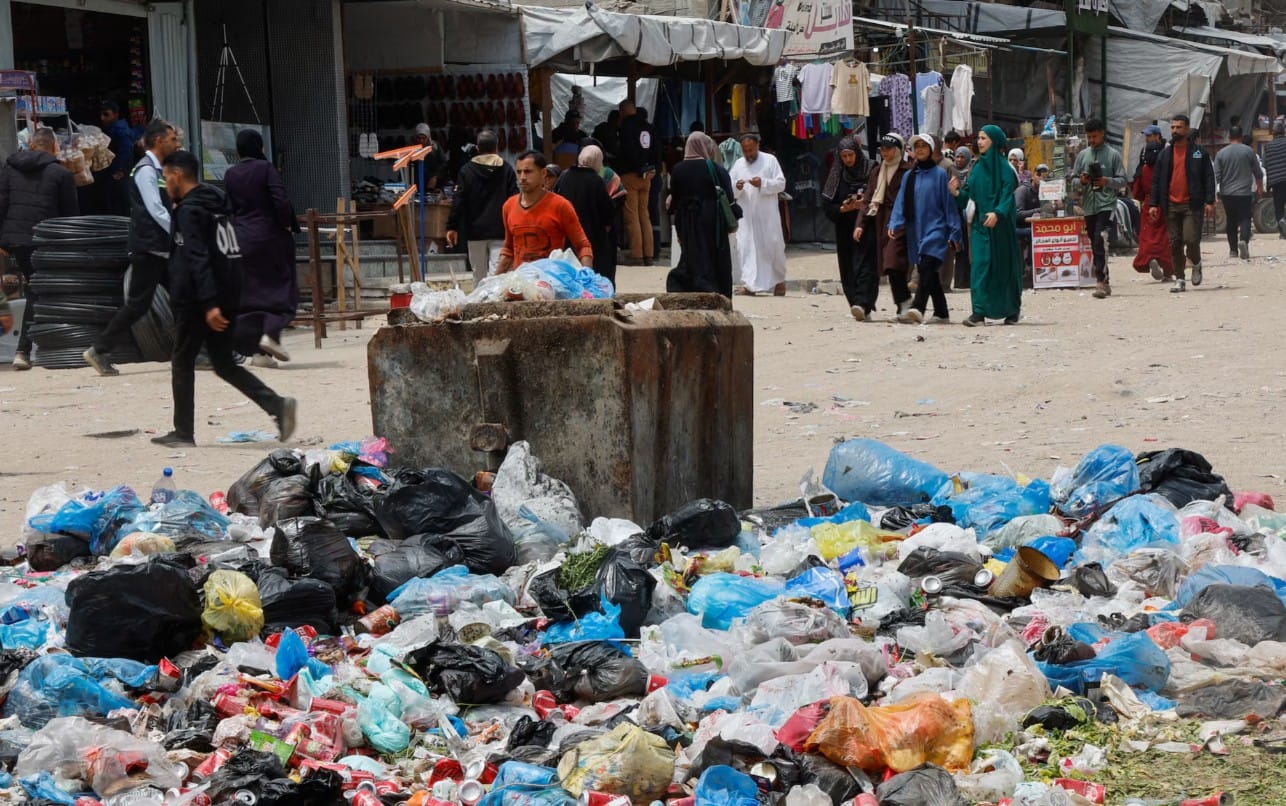
The number of rats in refugee camps in the Gaza Strip has increased dramatically. As a result, children are being bitten, and the risk of infectious disease outbreaks is steadily increasing.
Rats in Gaza camps: a new threat to displaced people
A massive rat infestation has become a serious problem for residents of displacement camps in the Gaza Strip. According to Reuters, The rodents are not only entering tents, but are also biting children while they sleep. Local residents and humanitarian workers report an increase in the number of bite cases and are concerned about the spread of infections.
The problem is exacerbated by poor sanitation, lack of proper waste disposal and limited access to clean water. This creates ideal conditions for the breeding of rats and accelerates the spread of dangerous diseases among the camp population.
Implications for children and healthcare
Rats are particularly dangerous for children living in tents with their families. According to the residents, bites can lead to serious infections, as there is a lack of medicines and medical care in the camps. The problem is compounded by Lack of humanitarian resources and the overload of local clinics.
There is a growing risk of infectious disease outbreaks that could affect a large part of the camp population. Humanitarian organisations are calling for urgent intervention to improve sanitation and protect children from this new threat.
Reaction of the international community
The spread of rats in the Gaza camps has attracted the attention of international organisations. They emphasise the need for urgent delivery of humanitarian aid, including rodent control and sanitation. In response, donors and charities are considering increasing funding to strengthen the healthcare system in the region.
At the same time, experts emphasise that without solving the problem of overpopulation and meeting the basic needs of the population, the risks to human health will only increase. The situation with the rat infestation complicates the work of doctors and volunteers who are already working in extremely difficult conditions.
Why it matters
The problem of rats in refugee camps in Gaza is not only local, but also has the potential for wider humanitarian consequences. The lack of proper sanitation and the spread of infectious diseases could lead to a significant increase in the number of children and adults, exacerbating the already crisis situation in the region.
In addition to the immediate health risks, the situation underscores the need for a swift response from the international community and effective coordination of humanitarian assistance. Delay could lead to further losses and deteriorating living conditions for hundreds of thousands of people already affected by the conflict.