A NATO headquarters has been deployed at a London Underground station to simulate «deep strikes» against Russia. British and allied troops are practicing electronic warfare and the destruction of enemy drones as part of a large-scale military exercise.
Basic context
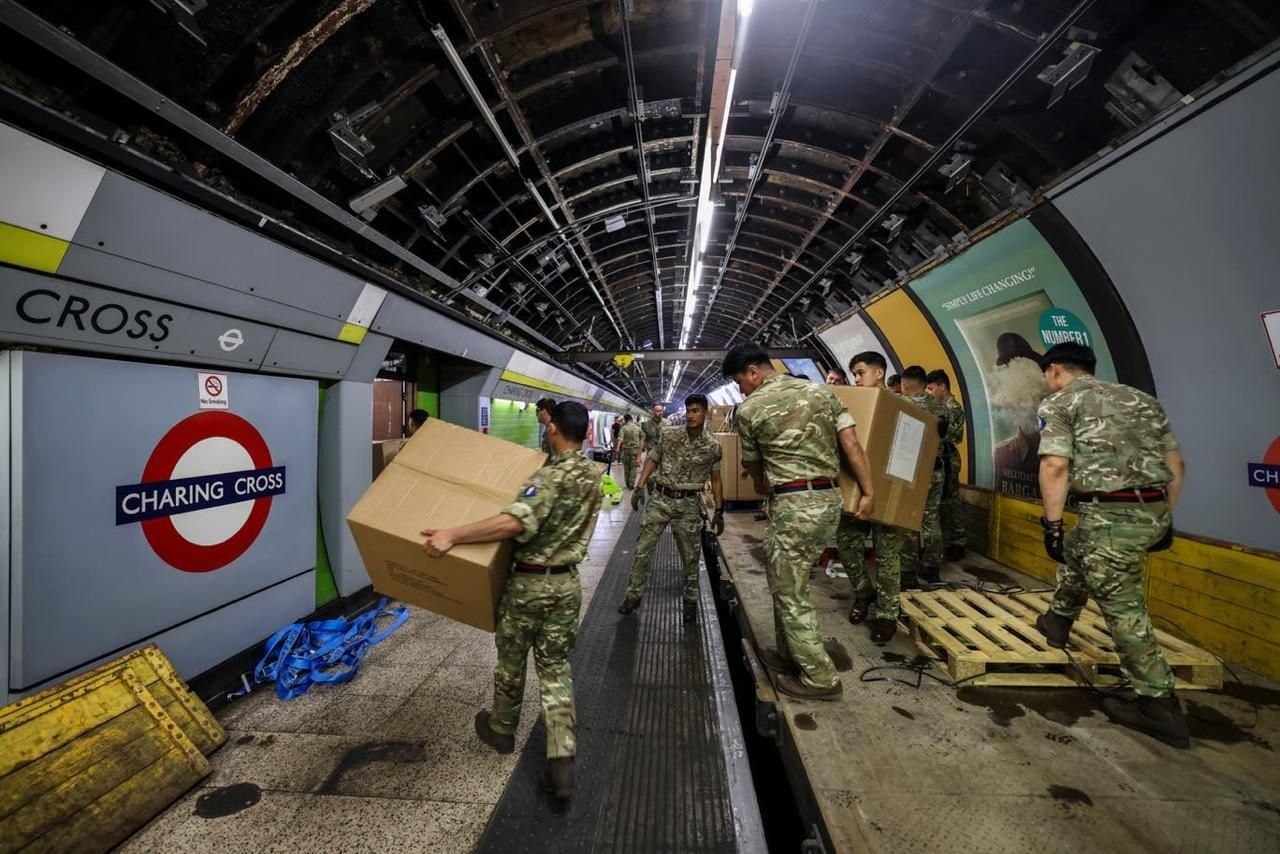
NATO has moved its headquarters to the abandoned platform of Charing Cross station in London to practice «deep strike» operations against Russia. The exercise was part of Operation Arcade Strike, where troops are testing their ability to block Russia's communications and shoot down its drones.
NATO's Supreme Allied Commander, General Christopher Donahue said the alliance had little time left to prepare for the of a possible Russian attack. He emphasised: «The 2030 readiness mission is not a slogan, it is a necessity.» At the same time, the British commander of the ARRC, Lieutenant General Mike Elvis stressed that Russia has two key advantages: the ability to concentrate forces on the point of impact and the initiative in the attack.
Military details and challenges
For the London exercise, engineers set up a command centre on an abandoned Jubilee line platform. The equipment was delivered by special low-lift underground trucks at night. In case of emergency, the British ARRC can manage the deployment of 100,000 troops.
According to defence sources, the UK has enough drones to fight for a week, which is significantly less than Ukraine, which uses thousands of drones on a daily basis. This shows that Britain is lagging behind other European countries, especially the Scandinavian and Baltic states, in preparing for potential Russian aggression.
Political challenges and criticism
Tory Tom Tagendhat, former security minister, called the government's plans to increase military spending to 3% of GDP «empty promises» and declining military capabilities. The authors of the UK Strategic Defence Review, Lord George Robertson and Dr Fiona Hill believe that the country has remained «unprepared and unprotected» in the face of Russian threats.
The Ministry of Defence has revealed a £28 billion shortfall in the cost of upgrading the weapons being tested in the Underground. The defence investment plan is delayed by eight months, adding to concerns about the country's defence capability.
Global context and implications
These exercises take place against the backdrop of large-scale military manoeuvres Russia's military exercises in Belarus, including nuclear exercises. At the same time, NATO is preparing for a possible Russian invasion of the Baltic States, with Operation Spring Storm in Estonia.
General Alexus Grinkiewicz, Supreme Allied Commander Europe, stressed, The inability to learn and adapt quickly threatens both deterrence and defence plans. The exercise of the command in a civilian environment in London demonstrates the alliance's ability to improvise and survive in the complexities of modern warfare.
Thus, the UK and NATO are taking steps to strengthen defence, but face challenges in the form of limited resources and political disputes that affect their readiness to face new threats.