
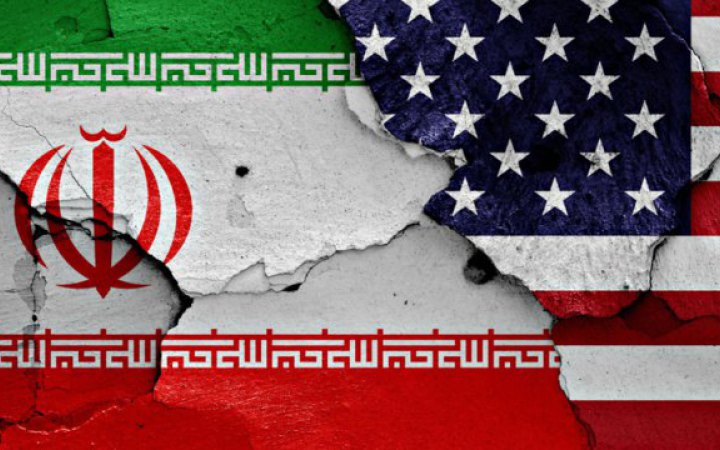
Negotiations between the United States and Iran are at risk of disruption due to a dispute over control of the Strait of Hormuz, one of the world's most important energy routes.
The Strait of Hormuz is the main point of tension
Strait of Hormuz has become a central issue in the negotiations between USA and Iran.
This narrow maritime corridor is critical to global oil supplies and accounts for a significant portion of the world's energy exports.
Iran's position: full control
According to Financial Times, Tehran insists on establishing full control over the strait.
Among the key requirements:
- sole management of shipping
- the right to charge fees from foreign vessels
- Rejection of any formats of joint control
The Iranian side categorically rejects compromise options that provide for an international or joint administration.
Deadlock in negotiations
According to the sources, it is the Strait of Hormuz issue that is currently blocking any further progress in the negotiations.
The US side is not ready to agree to terms that could restrict freedom of navigation or create additional risks to global energy supplies.
Why it matters to the world
The Strait of Hormuz is one of the most important energy routes in the world.
Because of her:
- a significant part of the world's oil is transported
- key trade routes pass through
- Stability of global markets is ensured
Any escalation in this region could lead to a sharp rise in oil prices and affect the global economy.
What's next
Experts believe that the situation may develop in several scenarios:
- prolongation of negotiations without result
- increased tensions in the region
- Potential intervention of international intermediaries
So far, the parties remain on opposing positions, which makes it difficult to reach an agreement.