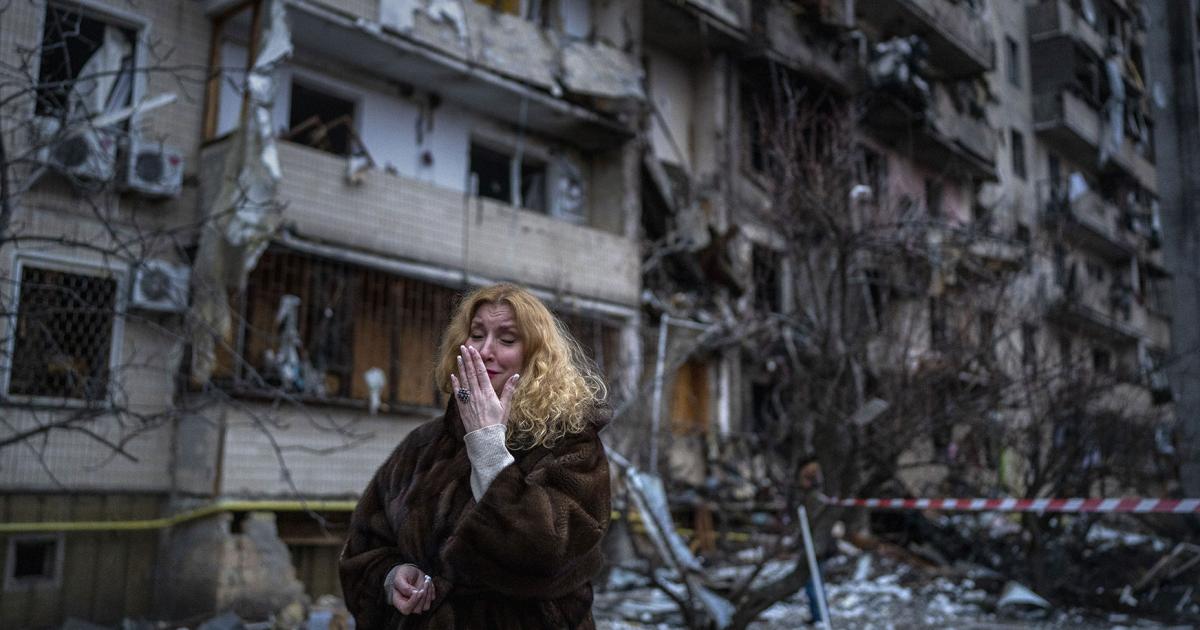
The European Union is stepping up its defence measures due to fears of a new Russian aggression against NATO countries in the coming year. After the war in Ukraine, the Kremlin could quickly rebuild its military capabilities and turn them against the Alliance, especially in Eastern Europe. In response, European states are increasing their defence spending and boosting arms production.
Briefly about the main points
- Russia could attack NATO countries within 12 months
- EU fears new Kremlin aggression after war in Ukraine
- European countries are increasing defence budgets and weapons production
- Scenarios of possible escalation in Eastern Europe are discussed
The EU is preparing for a new threat from Russia
European countries are increasingly responding to the possibility of a new Russia's military attack on NATO countries. The European Union believes that after the war in Ukraine is over, the Kremlin can quickly regain its strength and turn its attention to Eastern European states that are members of the Alliance.
As a result, European capitals are deciding to Increasing defence budgets, The country's military equipment and weapons production has been expanded. These steps are aimed at increasing readiness for a potential escalation.
Military risks for Eastern Europe
Special attention is paid to Eastern European countries, which could become the first targets of possible aggression. The EU is considering various scenarios, including rapid mobilisation and intense hostilities that could threaten stability in the region.
This forces states to intensify cooperation in the defence sector and strengthen military presence on the eastern borders of the Alliance.
Growth of defence spending in EU countries
Increasing defence spending has become a key priority for many European countries. Weapons manufacturers are receiving government orders to rapidly expand their production capacities to prepare for possible challenges from Russia.
These actions reflect the EU's desire to ensure the security of the region and deter potential aggression.
Political implications for the EU and NATO
The threat of a Russian attack is changing the political climate in Europe. Pressure is growing on governments to strengthen defence cooperation and improve collective security mechanisms. Euro-Atlantic structures prepare for possible escalation of the conflict.
It also affects the EU's foreign policy, contributing to the search for new allies and strengthening defence alliances in the region.