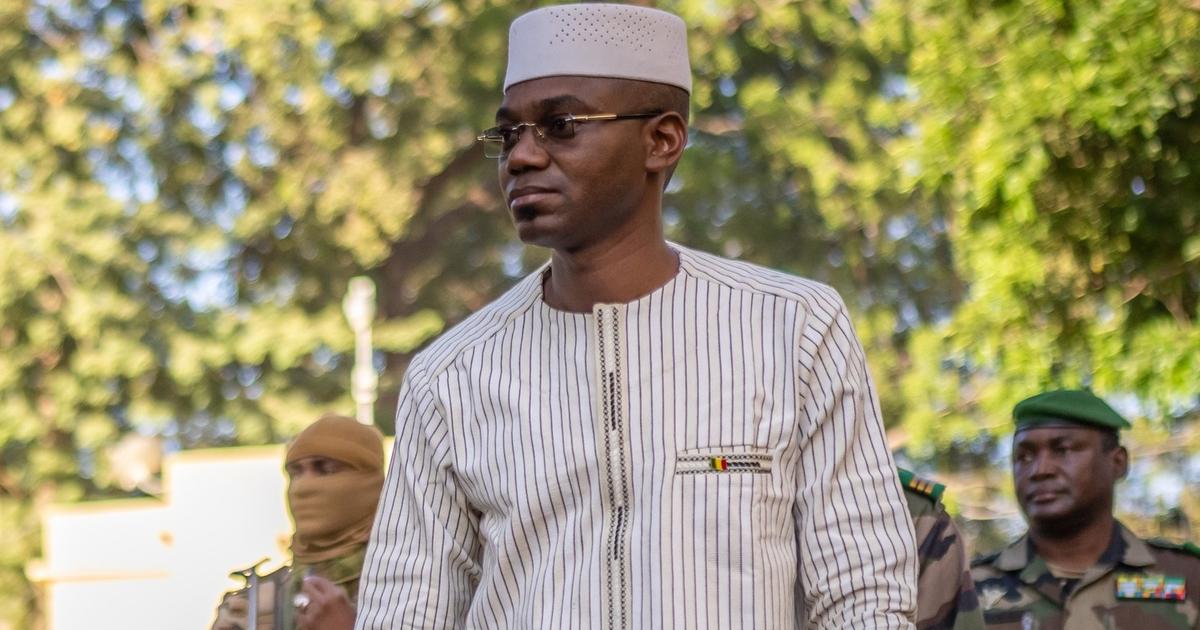
In Mali, the Minister of Defence, who was considered a key ally of Russia in the region, was assassinated. According to Le Figaro, he and several members of his family were killed in an attack by Malian rebels. Fierce fighting continues in the north of the country with the participation of units supported by the Russian «African Corps».
Elimination of the Minister of Defence of Mali
A high-profile political assassination has taken place in Mali: the country's defence minister, who was one of the key allies of the Russian Federation, was killed in a rebel attack. This was reported by the French newspaper Le Figaro. Along with him, several members of his family fell victim to the attack, which underscores the brutality of the attack and its targeted nature.
This event was a serious blow to Mali's leadership, as the Minister of Defence played an important role in military and political cooperation with Russia. His elimination could significantly affect the balance of power in the region and the further development of the conflict.
Fighting in Northern Mali and the Role of Russia
In parallel with the attack on the Minister of Defence, in the city of Kidal in northern Mali fierce fighting continues between rebel groups and pro-government forces. The latter are actively supported by the Russian «African Corps», which operates in the region after the disbandment of the Wagner PMC.
Russia has long maintained a military presence in Mali, first through the Wagner PMC, and after the death of Evgeny Prigozhin - through the newly created «African Corps» under the control of the Russian Ministry of Defence. This allows the Kremlin to influence the course of the conflict and maintain a loyal regime in Bamako.
Implications for the region and international politics
The dismissal of the Minister of Defence could lead to destabilisation of the situation in Mali, intensification of the internal struggle for power and intensification of rebel movements. The loss of Russia's key ally in the country's leadership will potentially affect the effectiveness of cooperation between Mali and Russian military structures.
For Russia, this event means a complication of its position in the region, where it is trying to consolidate its influence through military support for African regimes. There is a growing risk that other West African countries may rethink their cooperation with the Kremlin amid growing instability.
Why it matters
The assassination of Mali's defence minister is not only a domestic tragedy, but also an event that could change the balance of power in West Africa. Given the involvement of Russian military formations, the situation in the region is gaining an international dimension.
Russia's active presence in Mali was an important tool for the Kremlin's influence on African politics. The death of Russia's key ally could lead to a decrease in the effectiveness of Russian operations and a strengthening of the rebels' positions.
Further developments in Mali will have an impact on the security situation in the region, as well as on the policies of the great powers towards Africa. The international community will be watching closely to see how the balance of power changes after this liquidation.