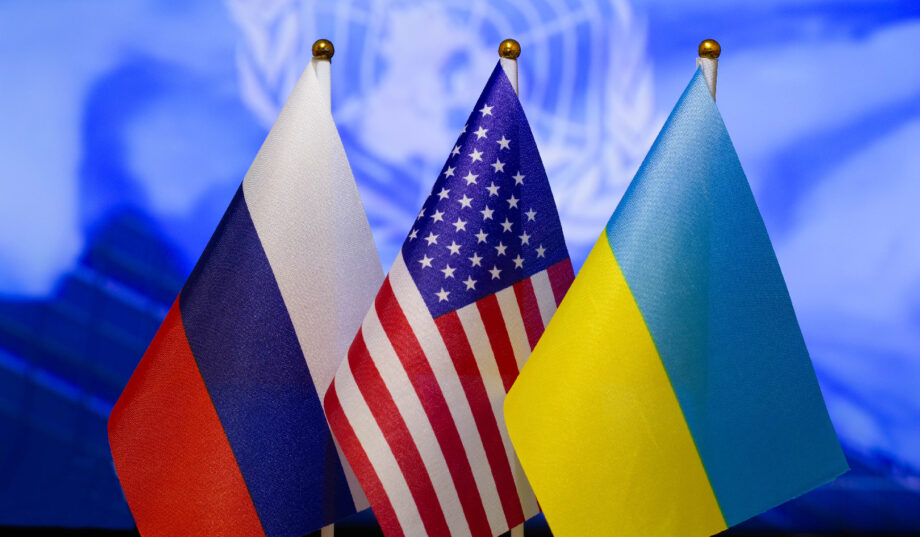
The Kremlin said it was inexpedient to continue trilateral talks between the US, Ukraine and Russia on Donbas. According to Ushakov, the talks are possible only after the withdrawal of Ukrainian troops from the Kyiv-controlled part of the region.
Kremlin blocks negotiations on Donbas
The Russian authorities have officially announced their refusal to participate in the trilateral talks with the US and Ukraine to resolve the situation in Donbas. As stated by Ushakov, The Kremlin considers such discussions inappropriate until the Ukrainian side fulfils Moscow's key demand - withdrawing its troops from the territories currently under Kyiv's control.
According to the Russian side, further dialogue in this format is possible only if Ukraine fulfils this requirement. This position was another confirmation of the Kremlin's hard line on resolving the conflict in eastern Ukraine.
Reaction of Ukraine and the United States
Official Kyiv and Washington have not yet commented on the Kremlin's latest statement. At the same time, similar ultimatums have been issued by Russian officials in the past. The Ukrainian government traditionally considers such demands unacceptable, as they contradict the basic principles of the country's territorial integrity.
Tripartite negotiation format was seen as one of the possible ways to find a compromise and de-escalation in Donbas. Russia's refusal to engage in dialogue could significantly complicate diplomatic efforts to resolve the conflict.
International context and implications
The lack of progress in the Donbas negotiations has kept tensions high not only in the region but also in relations between the West and Russia. Blocking the trilateral format could lead to further escalation of the situation in eastern Ukraine and complicate the work of international mediators.
Experts note that this position of the Kremlin may be an attempt to put pressure on Kyiv and its Western partners. At the same time, it creates additional security risks in Europe and makes it impossible to resolve the conflict quickly through diplomacy.
Why it matters
Russia's refusal to hold trilateral talks with the United States and Ukraine on Donbas effectively freezes any prospects for a peaceful settlement in the near future. This increases the threat of escalation of hostilities and complicates the work of international organisations in the conflict zone.
For Ukraine, the Kremlin's position means continued uncertainty and the need to seek new diplomatic instruments of influence. For the international community, it is another signal of the complexity of dialogue with Russia on key security issues in the region.