The US Department of War has reduced the number of combat brigade groups deployed in Europe from four to three. This decision brings the US military presence back to 2021 levels and affects the deployment of forces in Poland.
The Pentagon's official position
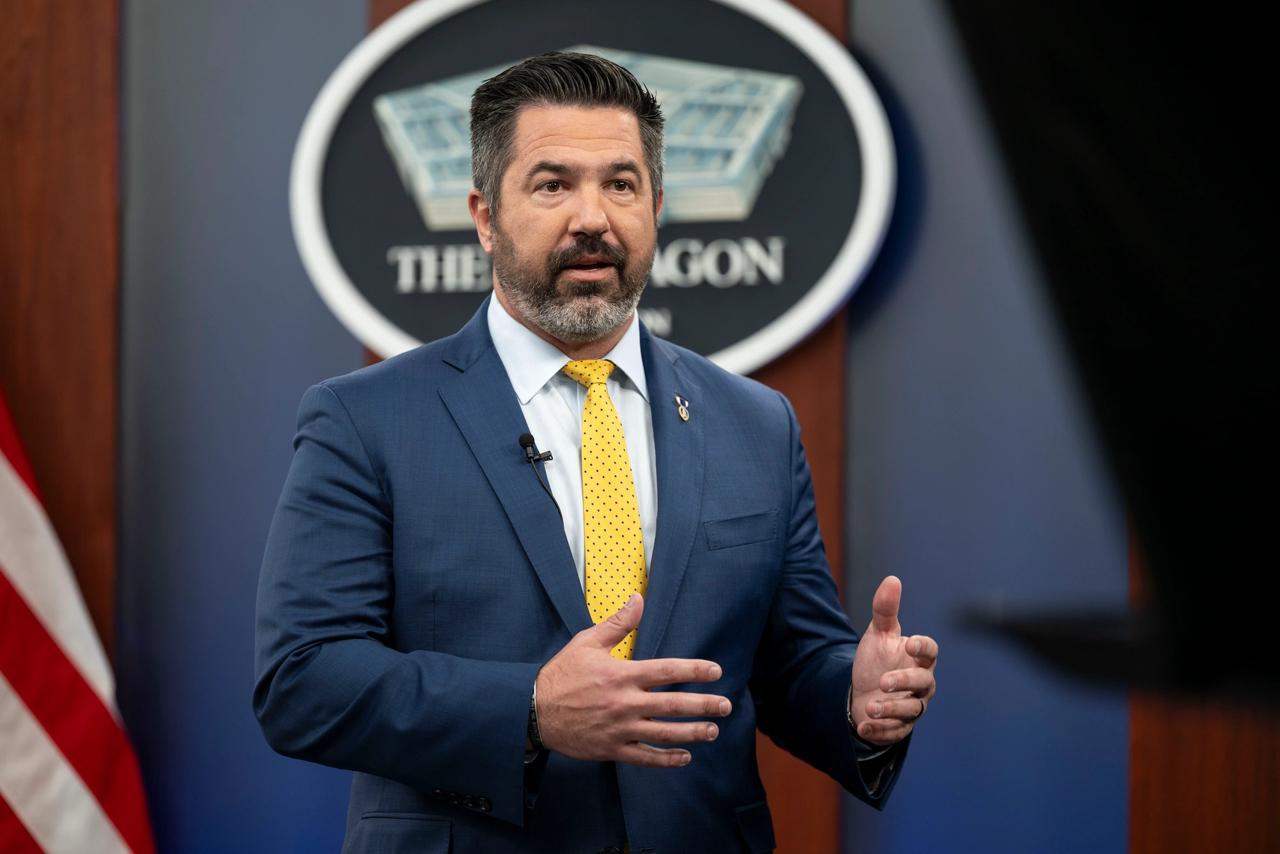
According to a Pentagon spokesman Sean Parnell, The US Department of War has decided to reduce the total number of combat brigade groups deployed in Europe from four to three. This step is the result of a comprehensive review of the US military presence on the continent.
Impact on allies and regional security
Reduction of US combat troops in Europe means a return to the level of presence seen five years ago. According to Parnell, this decision was the result of a multi-level process of analysis and assessment of current security needs. At the same time, due to changes in the deployment of forces, the deployment US troops in Poland, which is considered one of the key US allies in the region.
In recent years, Poland has been actively stepping up military cooperation with Washington, aiming to become NATO's main pillar on its eastern flank. A delay in the deployment of US forces could affect the alliance's operational capabilities and change the balance of power in Eastern Europe.
Context and implications for Europe
The return of the number of combat brigade groups to the 2021 level comes amid ongoing discussions about the US role in ensuring the security of European allies. For the countries bordering Russia, the issue of the US military presence remains critical. The drawdown may raise additional questions about the US long-term plans and ability to respond quickly to potential threats.
At the same time, the Pentagon emphasises that the decision was made taking into account current challenges and does not mean renouncing commitments to partners. The US military leadership emphasises that it leaves room for a flexible response depending on the development of the situation in the region.
Why it matters
Reducing the number of US brigade combat teams in Europe could have a significant impact on NATO's force allocation, as well as on the sense of security among Allies in Central and Eastern Europe. A return to the 2021 level signals a change in Washington's approach to its military presence on the continent, which could have both operational and political implications for the entire Euro-Atlantic area.