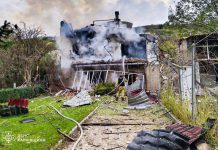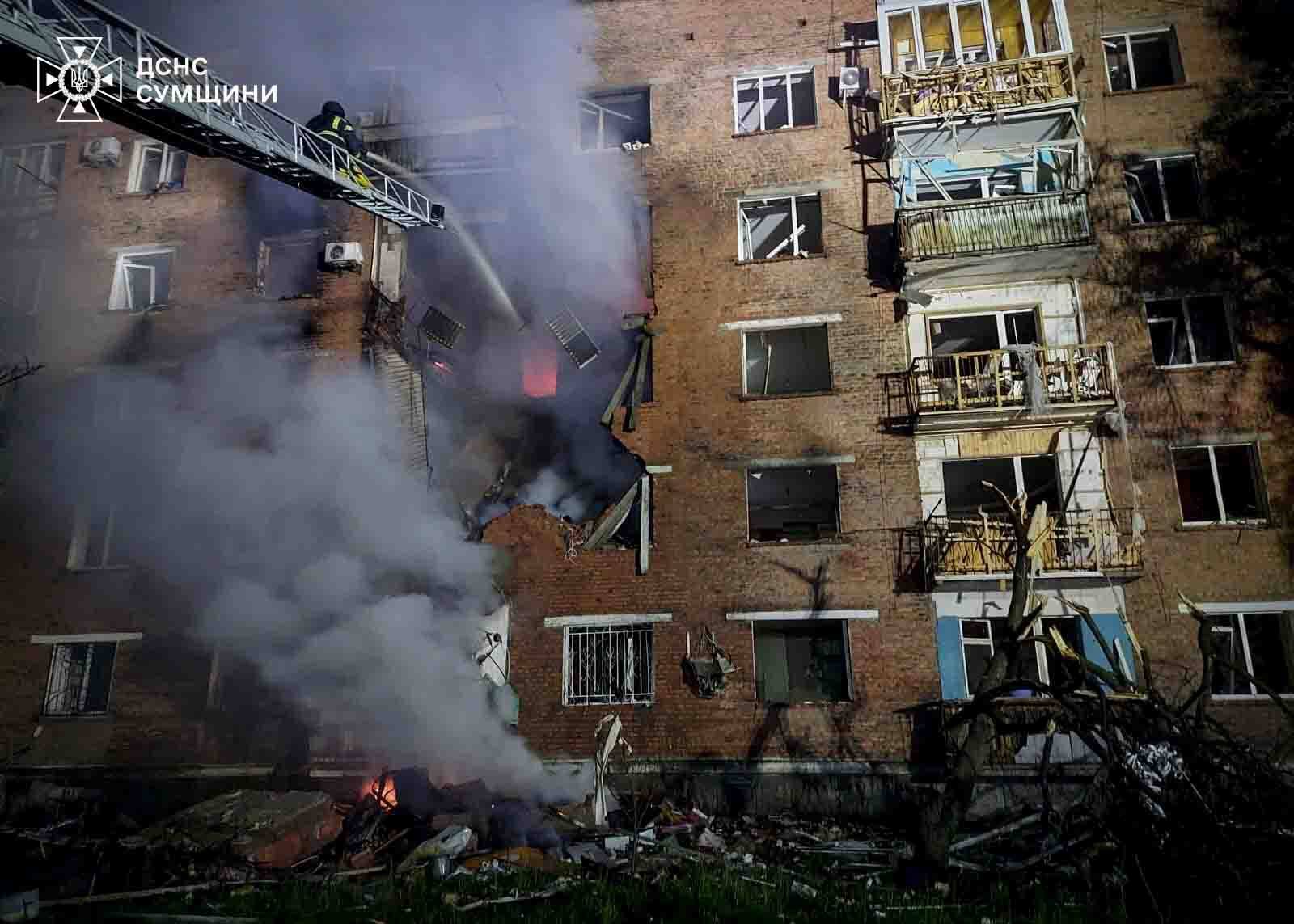
Russian troops attacked the town of Konotop in Sumy region today. Residential buildings and the building of the local history museum came under fire, and at least 8 people were injured.
Consequences of the shelling of Konotop
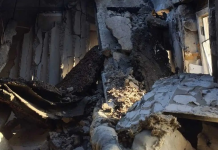
Russian troops attacked Konotop in the morning. The main impact was on residential areas - an apartment building, where the ceiling between the second and fourth floors was destroyed, and the building of the local history museum were targeted. At least 8 residents were injured in the attack.
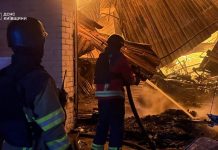
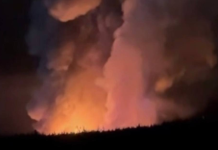
Rescuers arrived at the scene promptly. They managed to rescue three people trapped in the rubble. The fires broke out in five different locations at once, which significantly complicated the work of the emergency services.
The work of rescuers and the threat of repeated attacks
Additional units from the regional centre, as well as dog teams from the State Emergency Service, were involved in the response to the strike. Due to the threat of repeated attacks, the work had to be suspended several times, which affected the pace of searching for people and extinguishing fires.
Thanks to the coordinated actions of the rescuers, all the fires were extinguished. Local authorities are urging residents not to ignore air raid warnings and to stay in shelters whenever possible.
Infrastructure damage and community response
In addition to residential buildings, the building of the local history museum was seriously damaged. It is known that part of the exposition was damaged. The townspeople are actively involved in the aftermath of the shelling, helping rescuers and supporting the victims.
Konotop's medical facilities are providing assistance to the injured, and their condition is being checked. The authorities emphasise the need to comply with safety rules and limit outdoor activities in the event of an air threat.
Why it matters
Shelling of Konotop once again demonstrates the danger to the civilian population of Sumy region, which remains under constant threat of attacks. The destruction of residential buildings and cultural facilities has not only material but also psychological consequences for the community. The prompt work of the rescue services helped to avoid even more casualties, but the situation remains tense and requires the attention of both local and central authorities.