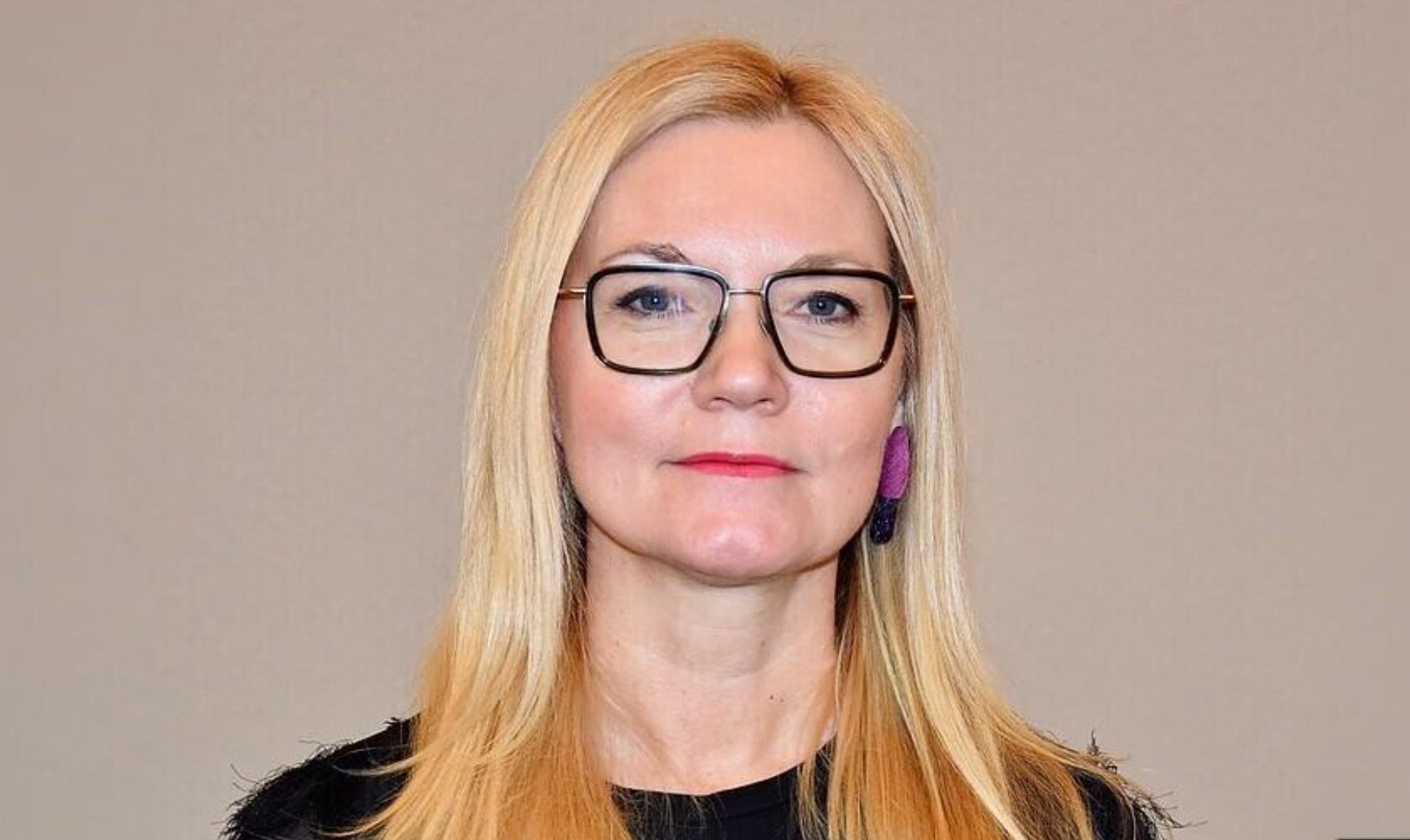
The demographic situation in Estonia is forcing the authorities to consider compulsory conscription of women for military service. The head of the Defence Resources Department, Anu Rannaveski, said that due to a drop in the birth rate of boys, the country will not be able to staff its military plans with men alone by 2040. Experts suggest adapting the requirements for service by involving women in various defence functions.
- The head of the Estonian Defence Resources Department has stated that conscription of women is inevitable.
- The birth rate of boys in the country has dropped from 15,000 to 4-5,000 per year.
- By 2040, Estonia will not be able to staff its military plans with only men.
- They suggest adapting physical requirements and involving women in various military functions.
The demographic challenge for Estonian defence
Head of the Estonian Defence Resources Board Anu Rannaveski stressed that the decline in the birth rate of boys in the country poses serious problems for the recruitment of military forces. While 15-20 years ago, up to 15,000 boys were born every year, this figure has now dropped to 4,000-5,000. According to her, by 2040, the country will not be able to recruit the 4,100 conscripts required by its defence plans. About. reports ERR.
“It is clear that we will definitely not be able to recruit 4,100 young people, as envisaged in the defence plans. By 2040, the problem will become very clear - we will not be able to recruit 4,100 people,” Rannaveski explained.
Prospects for attracting women to conscript service
Former President of the State Court of Estonia Wright Maruste proposed to make conscription compulsory for women. He pointed out that modern defence includes many functions that do not require physical strength, which makes it possible to extend conscription to both sexes.
She is a sworn lawyer and member of the Defence Union Karin Madisson supports the idea of mandatory conscription of women, However, she believes that physical requirements should be differentiated. She suggests that not all conscripts should have the same physical activity test, and that the service could include different roles, from logistics to medicine.
“Women could perform other functions in the defence forces, such as logistics and medicine. Those who are rejected because of their physical fitness could be sent to help the Police and Border Guard Department or rescue workers,” Madisson said.
The government's attitude to changes in the prize money
Leo Kunnas, a member of the parliamentary defence committee and retired military officer, believes that Estonia can do without conscripting women for the time being. However, he does not rule out that in the long run, if the demographic situation does not improve, this measure will become necessary.
“But in the long term, if the demographic situation does not improve, we will be able to use it if necessary,” Kunnas said.
The impact of demographic change on defence strategy
Rannaveski warned that due to the decline in the number of young men, recruits with poorer health will have to be recruited, which does not mean lowering standards. She stressed that poorer health of the military will create additional challenges for the defence system.
Thus, Estonia is preparing to transform its conscription system to take into account demographic realities and the needs of the army. The extension of conscription to women will mean revising the requirements and distribution of roles in military formations.
Political and social context
The discussion of compulsory conscription of women in the context of the demographic crisis reflects the broader challenge of adapting defence strategies to social change. Various experts and parliamentarians acknowledge that due to the decline in the number of male conscripts, it is necessary to look at a wider range of options for engaging the population in defence.
Approaches to service that take into account the physical capabilities of recruits and offer a variety of functions could serve as a model for other countries facing similar demographic challenges. This issue remains open and requires further discussion at the level of government and society.