US President Donald Trump has announced the reinstatement of the naval blockade of Iranian ports and the imposition of a 20% levy on all cargo passing through the Strait of Hormuz. The US military is already detaining vessels for inspection, whilst Iran has responded by completely closing the strait to international shipping. The European Union, China and India are calling for an immediate de-escalation, warning of the risks to global energy security.
Briefly about the main points
- The US has reinstated the naval blockade of Iranian ports and imposed a 20% levy on cargo.
- The US military has stepped up patrols and is stopping vessels for inspection.
- Iran has announced the complete closure of the Strait of Hormuz to international shipping.
- The EU, China and India are calling for de-escalation in light of the threat to energy security.
- OPEC is convening an emergency meeting to discuss the situation on the oil market.
New US measures: a blockade and a 20% levy
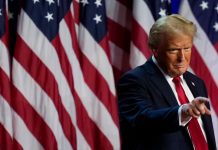
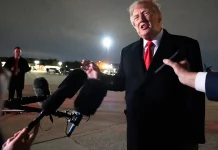
President Donald Trump officially announced the resumption of the naval blockade of Iranian ports and the introduction of a 20% levy on all cargo passing through the Strait of Hormuz. According to Trump, this measure is aimed at increasing pressure on Iran following a new round of escalation in the region. The White House has confirmed that US naval vessels have already stepped up patrols in the area around the strait, and that several ships bound for Iranian ports have been detained for inspection.
Iran’s response: the closure of the Strait of Hormuz
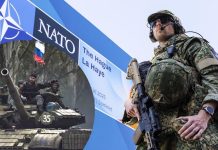
In response to the US actions, Iran announced that the complete closure of the Strait of Hormuz for international shipping. The Iranian Ministry of Foreign Affairs has stated that the strait will remain closed until the situation returns to normal. The day before, the Iranian military fired warning shots at a merchant vessel and announced the closure of the route. Since early July, the strait has been the scene of an exchange of strikes between the US and Iran, leading to a sharp deterioration in the security situation.
The reaction of the international community and the market
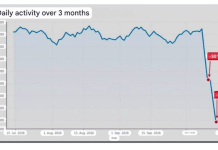
The European Union, China and India have called on the parties to de-escalate the situation immediately and have warned of the risks to global energy security. OPEC is convening an emergency meeting to discuss the situation on the oil market. The US State Department has stated that any review of sanctions and the embargo depends on progress in negotiations with Iran. The previous embargo had already led to disruptions in energy supplies and a rise in oil prices.
- The EU, China and India have called for de-escalation
- OPEC is organising an emergency meeting on the oil market
- The US State Department links the lifting of the blockade to negotiations
Possible implications for the energy sector and security
The introduction of a 20% toll for passage through the Strait of Hormuz could have a significant impact on global oil prices and logistics, particularly for importing countries in Asia and Europe. The blockade and the escalation of tensions are increasing the risks of a new wave of instability in the Middle East and on global markets. The prospects for a compromise between the US and Iran remain uncertain, and the mechanisms for monitoring and enforcing the levy have not yet been finalised.