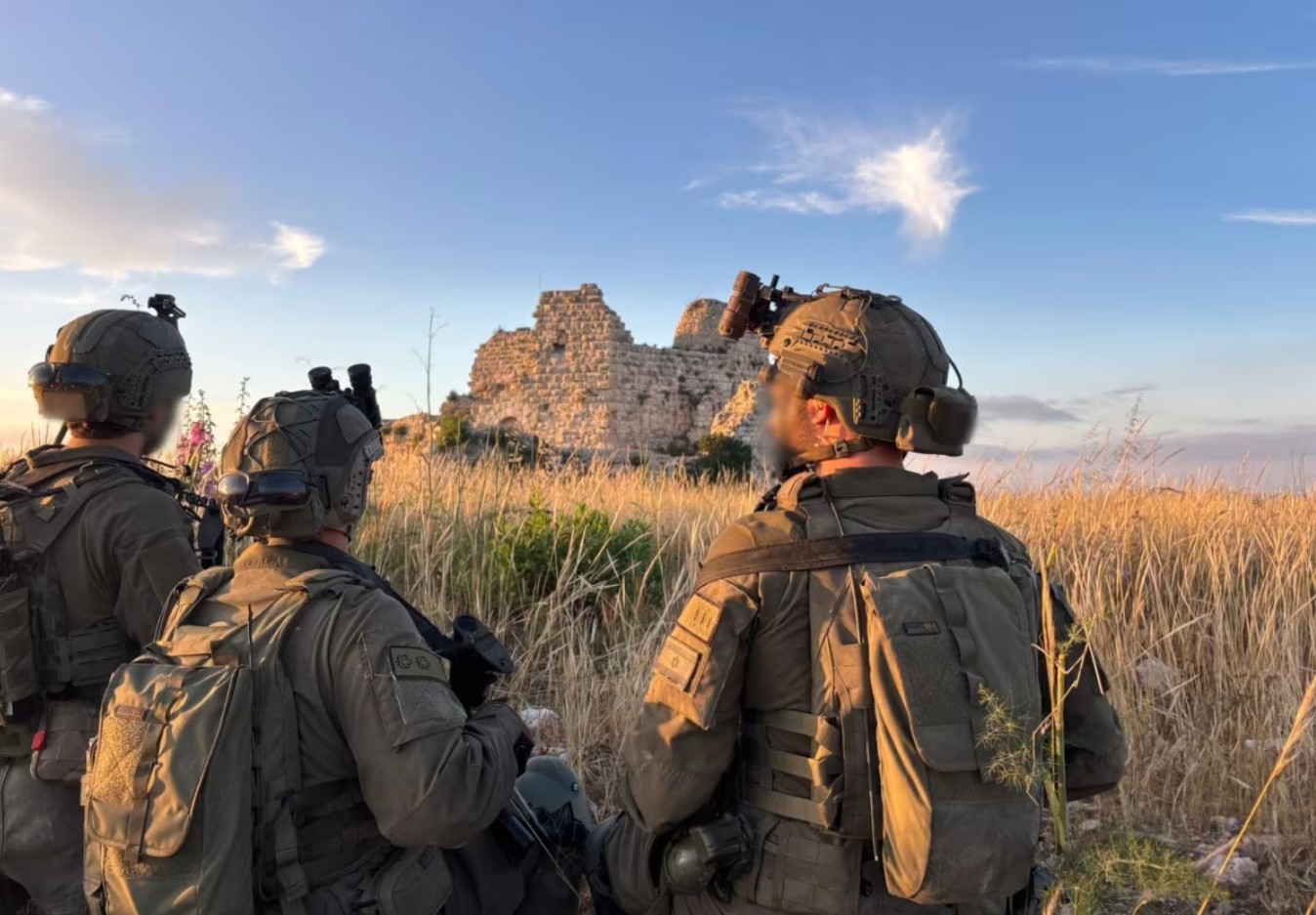
The Israeli military has seized the medieval Beaufort Castle in South Lebanon, which has not been controlled for more than a quarter of a century. The operation is aimed at establishing control over the surrounding areas and eliminating Hezbollah's infrastructure. The capture of the castle took place against the backdrop of escalating hostilities following the violation of the ceasefire in the region.
- Israel captures Beaufort Castle in South Lebanon.
- The operation is ongoing to control the Beaufort Ridge and Wadi al-Salouk areas.
- The castle is of strategic importance and was built about 900 years ago.
- UNESCO granted Beaufort Castle a high level of protection in 2014.
The capture of Beaufort Castle and its strategic importance
Israeli forces have regained control of Beaufort Castle, located in South Lebanon near the town of Nabatiyeh, approximately 14.5 kilometres from the Israeli border. The castle, built by the Crusaders about 900 years ago on a high cliff above the Litani River, is of strategic importance due to its vantage point over the surrounding area.
According to the Israeli Defence Forces (IDF), the operation is aimed at establishing control over the Beaufort Ridge area and the Wadi al-Salouk Valley, as well as destroying Hezbollah's infrastructure in these areas. This is the first time the castle has been returned to Israeli control in 26 years.
Escalation of hostilities and reactions of the parties
The seizure of the castle followed several days of intense fighting in the region. Lebanese state agency NNA reported Israeli airstrikes and «intense shelling» around the castle, and Hezbollah confirmed the destruction of an Israeli tank near the area.
In response, the local administration of Arnoun called on international organisations to protect the castle from further attacks.
Israeli Minister of Defence Israel Katz said it was a «clear message to the enemy» that threats to Israeli civilians would result in the loss of strategic targets. His counterpart, Finance Minister Bezalel Smotrich, He stressed his intention to increase military aggressiveness in the region.
Cultural and historical value of the castle
UNESCO has recognised Beaufort Castle is one of the best-preserved medieval castles in the Middle East. In 2024, it was granted the highest level of temporary protection from any military action, which was due to the start of the Israeli invasion of Lebanon.
During the Israeli occupation of South Lebanon in 1982-2000, the castle was heavily damaged during battles with the Palestine Liberation Organisation. Regaining control over this site has symbolic significance for both sides of the conflict.
Expanding operations and the geopolitical context
After a violation ceasefire, Since the US-brokered ceasefire in April, fighting between Israeli forces and Hezbollah has escalated. Israeli forces have expanded operations north of the Litani River, which is about 30 km from the border.
Prime Minister Binyamin Netanyahu confirmed that the troops had crossed this natural boundary. The military issued a number of orders to evacuate settlements north of the river.
The escalation of the conflict affects the negotiations between the US and Iran on a ceasefire in Lebanon. US President Donald Trump expressed support for Israel in maintaining its «freedom of action» against threats on all fronts, including Lebanon.