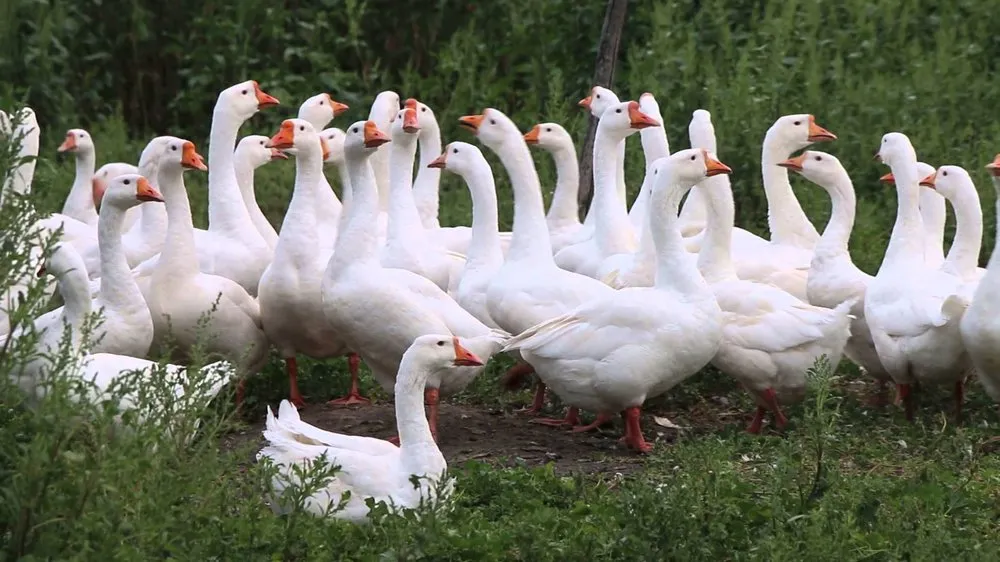
Poland and Germany have entered into a formal dispute over Warsaw’s application for an EU protected geographical indication for the so-called Polish oat goose. According to the European Commission, in early July it forwarded Germany’s written objections to the Polish side. The two countries are now preparing for bilateral consultations in an attempt to reach a compromise.
Briefly about the main points
- Germany has objected to Poland’s application for a protected designation.
- Berlin believes that this subspecies and feeding method are not exclusively Polish.
- The European Commission has forwarded Germany’s written arguments to the Polish side.
- Three months have been set aside for reaching a compromise, with the possibility of an extension.
- Germany buys around two-thirds of Poland’s goose meat exports.
What is the nature of Germany’s objection?
Warsaw is seeking to secure for Polish oat goose protection under EU rules on geographical indications. This concerns a sub-breed of domestic goose and the specific methods used to rear it.
The German side disputes that these characteristics are exclusively of Polish origin. It was precisely this argument that formed the basis for the official objection to the Polish application.
Polish oat-fed geese are traditionally reared on greens and oats. Their meat is described as lean and high in protein.
Countries are preparing for consultations
The European Commission has confirmed that it forwarded Berlin’s written arguments to Warsaw in early July. The Polish side is currently reviewing them and is coordinating with Germany to agree on a date for bilateral consultations.
Poland and Germany will have three months to reach a compromise. If they are unable to reach an agreement within this timeframe, the deadline may be extended by a further maximum of three months.
This procedure shifts the dispute from the application stage to negotiations between the two states. The outcome of these consultations will determine whether the parties can reach agreement on the registration of the name.
The export market has become part of the debate
In the Polish industry, German counter-arguments are described as economically motivated. It is believed there that Germany is wary of increased competition from Polish producers should a protected designation of origin be introduced for this meat.
Germany is the largest importer of Polish goose meat: it accounts for around two-thirds of total exports. Given the scale of this trade, the dispute over the name concerns not only the product’s origin but also market competition, as Polish producers see it.
Disputes over product names in the EU
Geographical names have already been the subject of protracted international disputes in Europe. In particular, Italy and Slovenia have been arguing for many years over balsamic vinegar from the city of Modena.
Last year, the EU registered bread from Latvia and wine from the UK as protected designations. Bulgarian ‘sirene’ brined cheese and Norwegian vodka had previously been added to the register.