The European Union is considering temporarily freezing the price ceiling for Russian oil due to the unpredictable situation in the Middle East. The conflict over Iran threatens the stability of the global energy market and could lead to a sharp rise in prices. Brussels is discussing options that will allow it to maintain the current price level until the end of 2026.
- The EU is considering a temporary freeze on the price ceiling mechanism for Russian oil.
- The current price ceiling is $44.10 per barrel.
- The reason is the threats to the global oil market due to the crisis in Iran.
- The automatic price review may raise the limit to $65 per barrel.
Reasons for revising the price ceiling for Russian oil
The European Union is currently holding back the automatic review of the price cap mechanism for Russian oil due to the ongoing crisis in the Middle East. The current price ceiling is $44.10 per barrel, and according to the current mechanism, it should be automatically adjusted every six months.
Brussels fears that the war over Iran and threats to the safety of navigation in the Strait of Hormuz could trigger a new spike in global oil prices. This, in turn, would lead to an increase in the permitted price threshold for Russian oil to around $65 per barrel.
The price ceiling mechanism and its role in sanctions
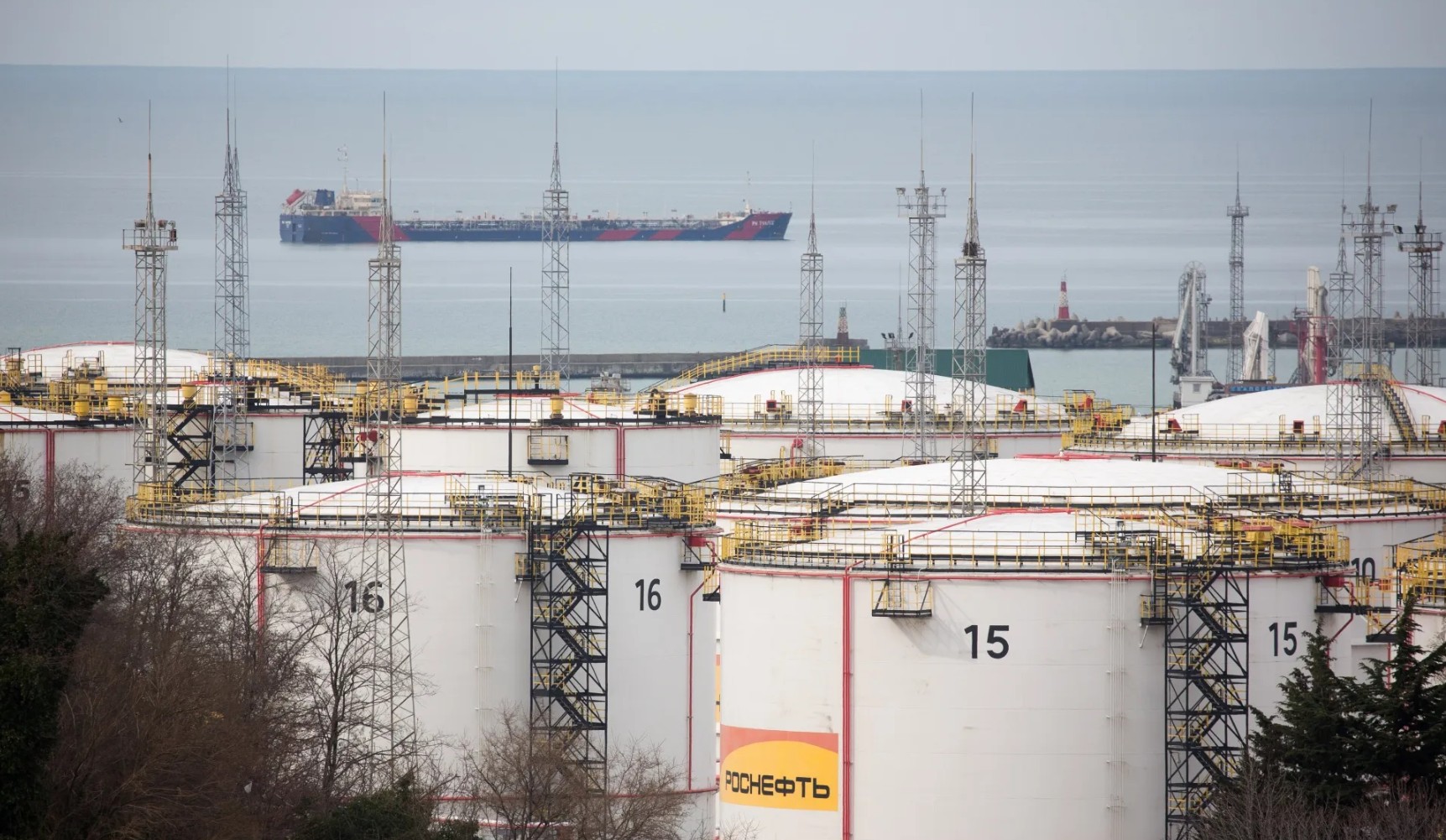
The price cap on Russian oil means that European companies are prohibited from providing insurance, transport and other services if oil is sold at a price above a set threshold. This mechanism is a key tool for sanctions Measures against Russian oil exports, which aim to curb Russia's energy revenues.
At the same time, one of the compromise options under discussion is to return the price ceiling to $60 per barrel, which is in line with the previous format of the G7 restrictions.
Next steps in the EU sanctions policy
Discussions on freezing the price ceiling are taking place within the framework of a new package of EU sanctions against Russia. It is expected that official proposals on this issue will be presented in early June after consultations between EU member states.
Such a decision should balance efforts to maintain pressure on the Russian oil sector and avoid a sharp rise in prices on the global energy market, which is especially important for the European economy.
The impact of the crisis on the global oil market and Europe
The conflict over Iran poses significant risks to the stability of shipping in the Strait of Hormuz, a key route for oil supplies. This is the fourth month in a row that it has affected global oil price volatility.
In the context of this instability, the EU is trying to maintain a balance between sanctions pressure on Russia and ensuring the stability of the energy market, which is critical for the stability of the EU economies.