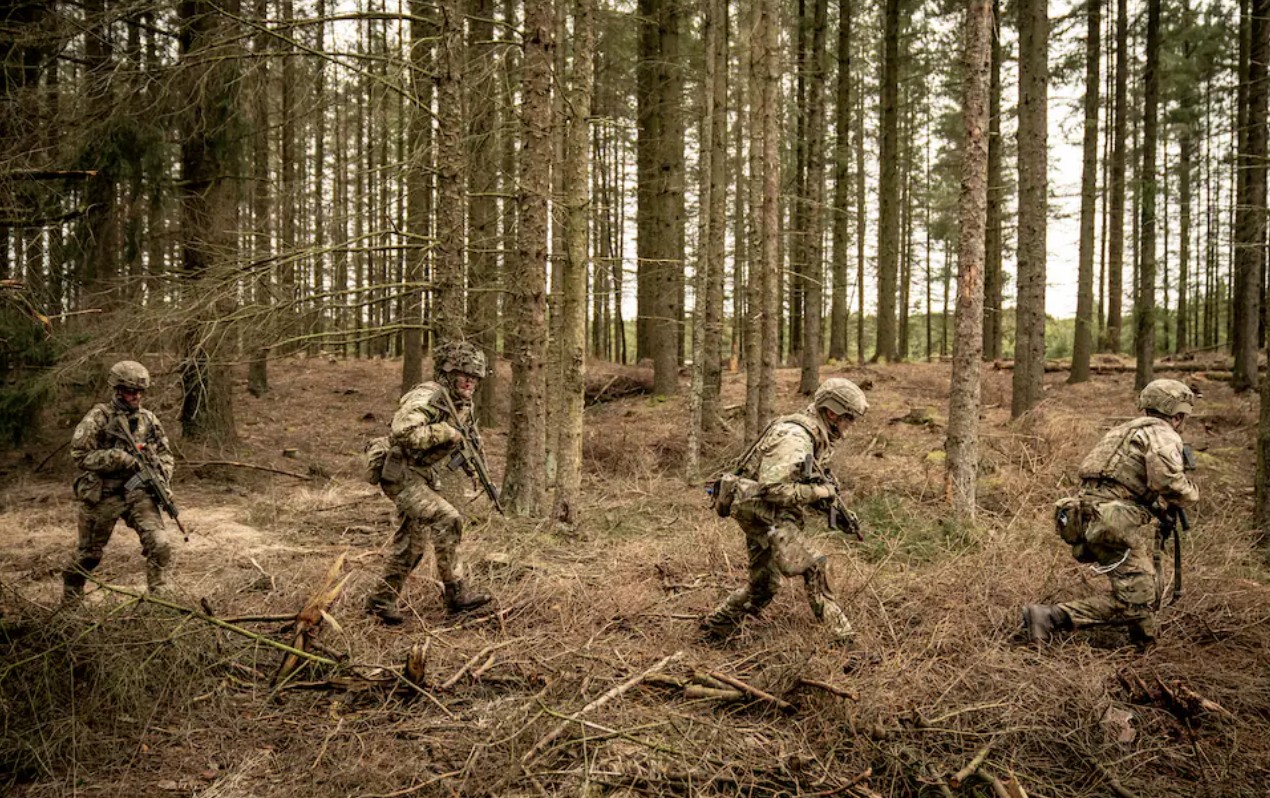
Denmark intends to restore the mobilisation system, which will allow up to 180,000 soldiers to be called up in the event of war. The new defence model is based on 11-month service and the possibility of re-mobilisation up to the age of 65. Experts emphasise the need for more active training and more frequent use of reservists.
- Denmark plans to mobilise up to 180,000 soldiers in case of war
- Create a mobilisation force of former servicemen under the age of 65
- Annual conscription of up to 13,000 recruits for 11 months of service is planned
- One repeated mobilisation for 10-15 days during 10 years of service
Danish mobilisation strategy in the 21st century
Denmark is planning to create a mobilisation force capable of deploying up to 180,000 soldiers in the event of war. This force will be based on former military personnel who have completed 11 months of service under the new conscription system. Soldiers must be ready for re-mobilisation by the age of 65.
In fact, this is a return to a defence model similar to that of the Cold War. “It's a model we've known since the Cold War, and the worrying security context is similar,” said a lecturer at the Swedish Military University Iben Bjornsson.
Organisation of service and mobilisation
According to the plans, up to 13,000 recruits will be drafted annually, representing more than 20% of the young population. After completing their service, they will be part of the operational mobilisation force for 10 years, during which they can be mobilised once every 10-15 days to maintain their skills and participate in exercises.
After that, soldiers are transferred to the reserve group until the age of 65. In total, these two levels should provide the required mobilisation capacity. The Ministry of Defence estimates that in 2040 it will be possible to mobilise around 40,000 soldiers.
Criticisms and challenges of the new system
Experts express concern about the frequency of mobilisations and the pace of reforms. Reserve major and lecturer Jeppe Trautner believes that one mobilisation in 10 years is not enough for effective training, especially for combat units. He suggests repeated engagements every 3-4 years for 10-20 days.
He also emphasises the slow implementation of the programme, which does not take into account the speed of threats. According to him, this is a political decision that could affect the country's defence capability.
No official comments
The Force Command and the Ministry of Defence refrained from commenting on internal documents and recommendations. The refusal to make public statements underlines the sensitivity of the topic in the context of national security.
Significance for regional security
The Danish plan strengthens the country's defence capabilities in response to current security challenges. The resumption of mobilisation, reminiscent of the Cold War approach, is indicative of a new level of tension in the region. It also underscores the importance of NATO as a security guarantor.
The responsibility for the reform lies with the military leadership, which seeks to balance mobilisation resources with the economic capabilities of the state. Further development of the programme will be determined by political decisions and the security situation in the world.
Source: DR.DK