Oil prices surged to their highest level in a month after the US resumed its naval blockade of Iranian vessels in the Strait of Hormuz and imposed a 20% levy on all cargoes. The number of tankers passing through the strategic waterway has fallen sharply, and the market is reacting with rising prices and fears of disruptions to energy supplies. The EU is calling on all parties to exercise restraint due to the risks to energy security.
Briefly about the main points
- Oil prices have reached a four-week high.
- The US has reinstated the naval blockade of Iran and imposed a 20% levy.
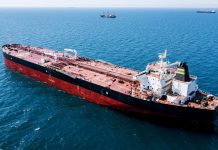
- The number of tankers in the Strait of Hormuz has fallen to a two-month low.
- The EU has warned of risks to Europe’s energy security.
- Saudi Arabia has raised its combat readiness following the Houthi attacks.
Rising oil prices and the market reaction
On Tuesday, 14 July, oil prices rose by almost 3% to reach their highest level in the past month. Brent futures rose to $84.80 per barrel, whilst US WTI crude rose to $79.84. In the previous session, Brent recorded its largest daily gain since May 2020. This was due to the escalation of the conflict between the US and Iran in the region Strait of Hormuz, which raised concerns about disruptions to energy supplies.
The sharp rise in prices is accompanied by increased market volatility, as traders react to news of the blockade and the reduction in shipping.
Actions by the US and Iran: a blockade and military exercises
The US has officially resumed its naval blockade of Iranian vessels in the Strait of Hormuz and has imposed 20% collection on all cargo passing through this route. The White House has stated that these measures are intended to put pressure on Iran following the collapse of the previous de-escalation memorandum.
In response, Iran conducted naval exercises involving missile boats in the area of the strait. According to Iranian media reports, these actions are intended to demonstrate the country’s readiness to defend its interests in the region.
A reduction in shipping through the Strait of Hormuz
Over the past 24 hours, the number of tankers passing through the Strait of Hormuz has fallen to a two-month low. This is confirmed by data from vessel tracking services, including MarineTraffic and Lloyd’s List.
The physical movement of oil through the strait remains a key indicator for the market. Any prolonged reduction in shipping or disruptions to export flows could lead to a further spike in prices.
International reaction and regional tensions
The European Union has called on the US and Iran to refrain from further escalation, warning of the risks to Europe’s energy security. Saudi Arabia has placed its air defence forces and navy in the Red Sea on high alert following missile attacks by Yemeni Houthis, who have accused the kingdom of carrying out air strikes on an airport under their control.
Against the backdrop of the escalation OPEC+ It has not yet announced any extraordinary measures, but experts do not rule out the possibility of coordinated action should the situation deteriorate further.
What might influence future price trends
Future trends in oil prices depend to a large extent on how the situation in the Strait of Hormuz develops. If the blockade and the reduction in shipping traffic continue, the market could see a further surge in prices.
At the same time, if oil shipments resume, part of the current geopolitical premium may disappear. The lack of confirmation that the strait has been completely blocked, and the uncertainty surrounding the negotiations between the US and Iran, mean the situation remains unclear.