Today, Armenia is holding parliamentary elections that will be key to determining the country's geopolitical course. The current government, led by Nikol Pashinyan, is in favour of gradual rapprochement with the West, while the opposition, with the pro-Russian Strong Armenia bloc, is fighting to return to the Kremlin's influence. The outcome of the vote will affect Armenia's domestic political stability and international relations.
- Armenia is holding parliamentary elections that will determine the country's course.
- Pashinyan and the Civil Contract support rapprochement with the West.
- The Strong Armenia opposition bloc has a pro-Russian position.
- Pashinyan is leading with 24-32%, but may not form a majority.
Political division in Armenia at the 2026 parliamentary elections
Parliamentary elections in Armenia are taking place against the backdrop of a sharp confrontation between the two main political forces. The current government, led by Nikol Pashinyan and the Civil Contract party, supports a course of gradual withdrawal from Russian influence and rapprochement with the EU and the United States. Pashinyan emphasises the need to conclude a peace agreement with Azerbaijan, which is essential for the stabilisation of the region.
The role of the pro-Russian opposition and the Kremlin's bet
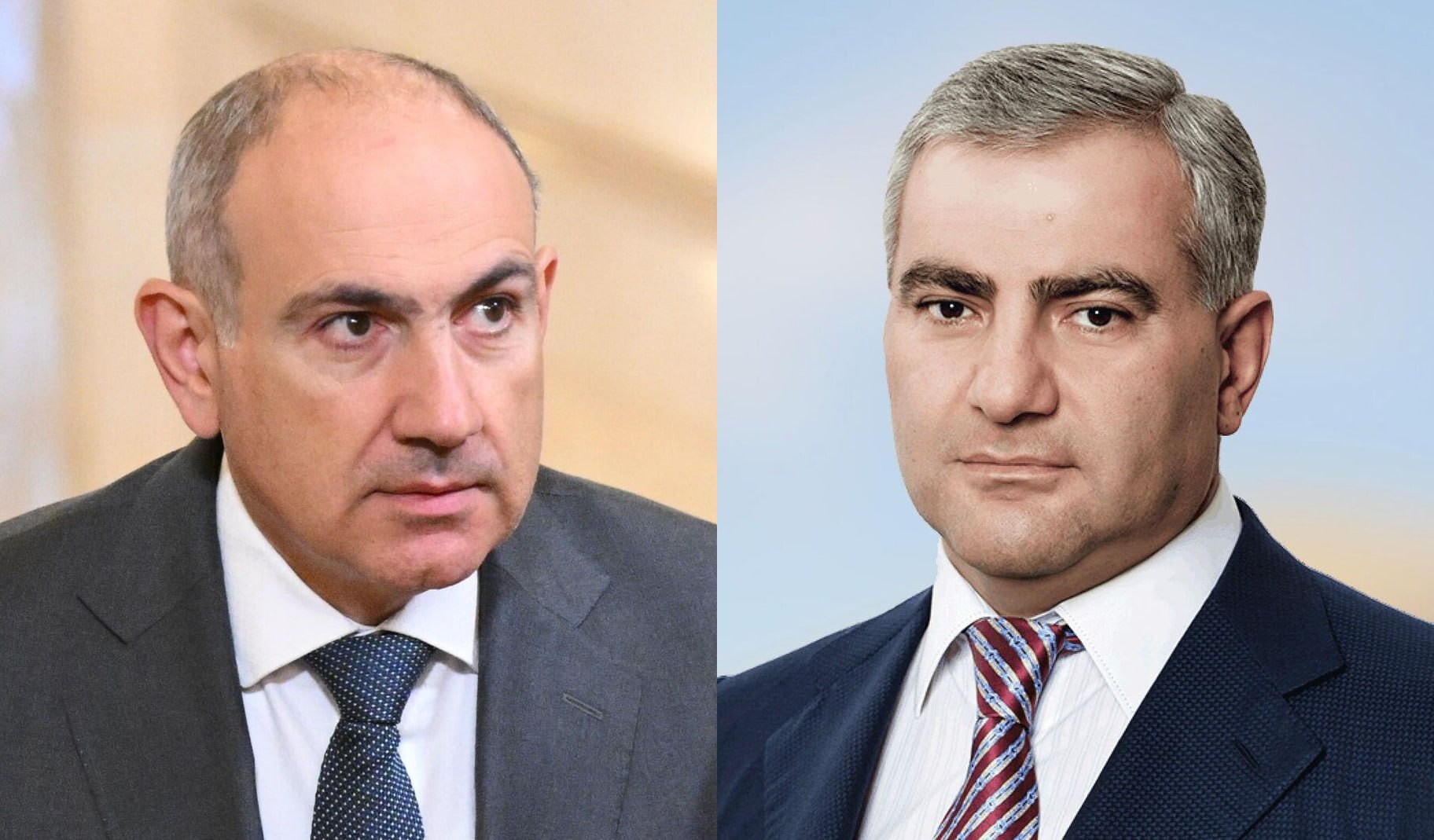
The main pro-Russian player in the elections was the Strong Armenia bloc, founded by a Russian-Armenian billionaire Karapetyan, whose fortune Forbes estimates at $4.1 billion. Moscow actively supports this bloc, viewing it as a tool to bring Armenia back into its sphere of influence. Other opposition forces also take a pro-Russian stance, creating an alternative to Pashinyan's pro-Western government.
Geopolitical crisis and development prospects
Armenia is currently at a crossroads: the country has suspended participation in the pro-Russian military bloc CSTO and demands the withdrawal of Russian border guards. Pashinyan's victory would cement a pro-Western course of development, while the opposition's success could return Armenia to full Kremlin control. This choice will have significant implications for the security and stability of the South Caucasus.
Opinion polls and possible scenarios after the elections
According to the latest opinion polls, Pashinyan is leading with 24-32%, but this support is unlikely to allow him to form a single-party majority. If he is unable to form a coalition, the country could face either a protracted political crisis or a second round of elections. Both options complicate internal stability and affect Armenia's foreign policy orientation.