For a long time, the Kremlin has been trying to maintain the illusion among residents of the European part of the Russian Federation, especially Moscow and St Petersburg, that the so-called «special military operation» is something distant and does not affect their daily lives. However, massive drone attacks, fuel shortages, and increased total digital control are finally destroying this informal social contract between the government and society. The war that Russia has unleashed against Ukraine is increasingly clearly peering through the windows of Russians themselves, causing deep discontent and fear among the population.
«Max and digital dictatorship: how the Kremlin is tightening the screws
One of the main markers that the situation inside Russia is becoming critical is the unprecedented increase in internal control and censorship. Recent steps by the Russian authorities to restrict access to the Internet, regular blocking popular international messengers (in particular, WhatsApp and Telegram) and the introduction of the state mobile application Max for state employees caused a wave of irritation.
New realities of the Russian Federation: The Max app is becoming a mandatory control tool for public sector employees, which effectively legalises direct surveillance of citizens« private lives.
Due to the fear of total spying, a new trend has emerged among Russians - the use of so-called «MAXophones» (separate «clean» phones exclusively for government applications) or the installation of special simulation software that only visually displays the presence of software on the screen. People are forced to buy two smartphones in order to somehow separate private communication and state surveillance. Moreover, the situation is exacerbated by financial pressure: amid the economic downturn, the Russian government is forced to introduce additional taxes to finance the war machine that is hitting the pockets of the middle class.
Night explosions in the Moscow region and panic at the economic forum
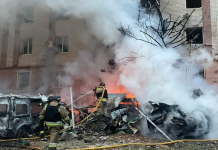
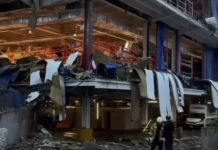
Geography of impacts Ukrainian UAVs demonstrates that modern technology has no unattainable targets in the enemy's deep rear. One of the largest was the attack by more than 500 drones in May. The explosions and fires directly affected settlements in the Moscow region, including Zelenograd and Khimki.
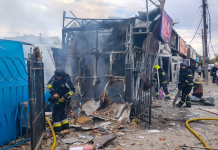
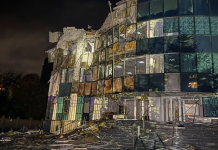
Residents of high-rise buildings who used to see the war only on TV now wake up to loud buzzing overhead at 4am. The wreckage of downed or suppressed drones is increasingly falling directly on residential buildings, causing fires and destroying facades. Russians openly admit that they now flinch at any loud sound or teenage firecrackers in the street.
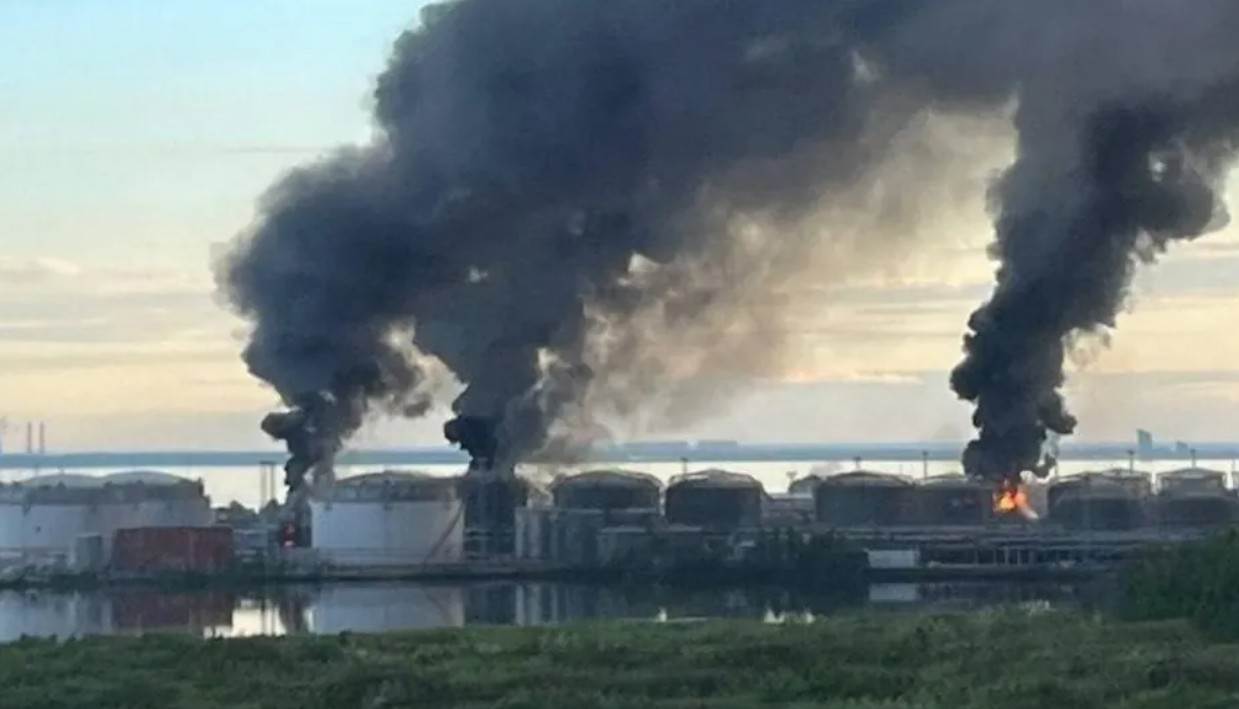
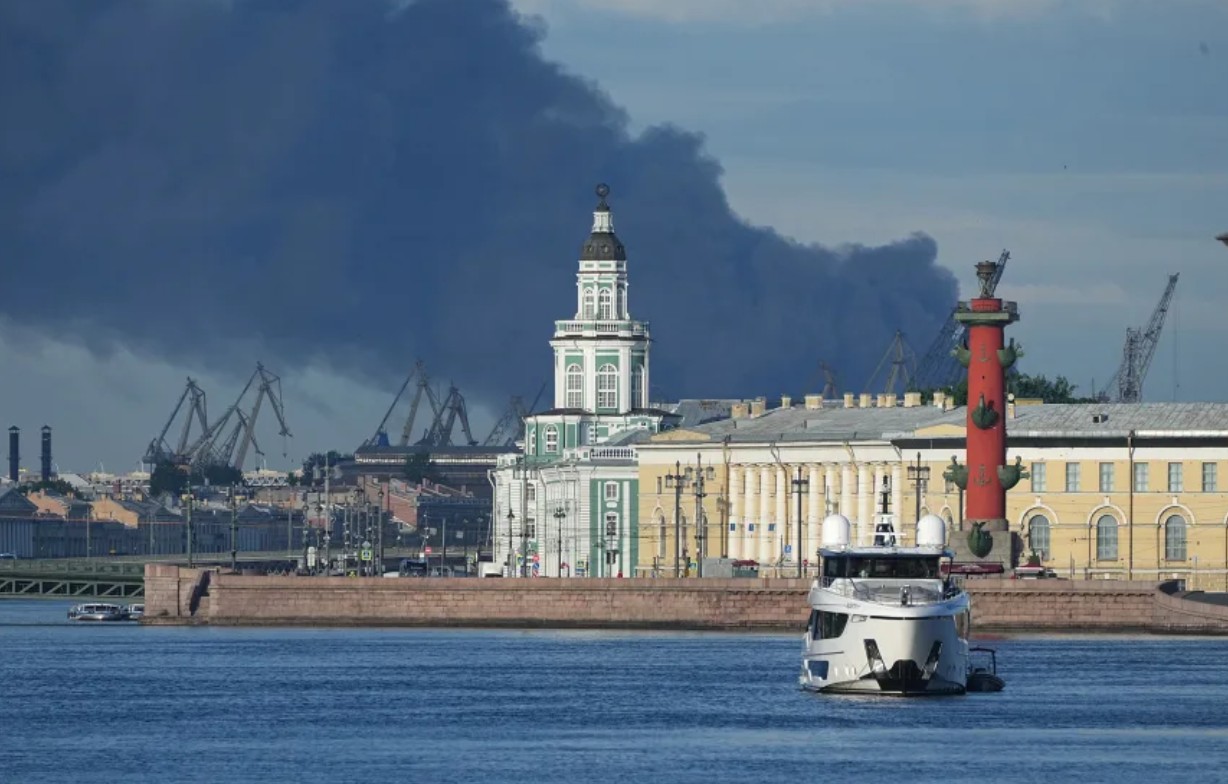
No less significant was the attack on St Petersburg - hometown Vladimir Putin. The drones appeared in the skies over Russia's northern capital just before the opening of the St. Petersburg International Economic Forum (SPIEF), which the Kremlin is using as a major showcase event to demonstrate the «resilience of the economy». Thousands of foreign visitors and businessmen were greeted by black puffs of smoke over the city, and on the last day of the forum, residents of nearby Kronstadt were advised not to leave their homes due to a renewed air threat.
Fuel crisis and war fatigue
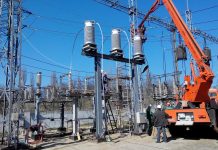
In addition to the direct psychological pressure from air raids, ordinary Russians began to feel the systemic economic consequences of the war. Systematic and precise attacks on oil refineries have led to a significant reduction in fuel production within Russia.
-
The shortage of petrol: In many regions, there are problems with fuel supply at a petrol station.
-
Card system: In the temporarily occupied Crimea, due to logistical restrictions and attacks on oil depots, drivers have already faced strict fuel restrictions and couponing.
Despite the harsh «defamation of the army» laws, which provide for real prison sentences for any criticism of the Kremlin's actions, sociological data are beginning to show a serious shift in public sentiment. According to research by the independent Levada Centre, more than 62% of Russians surveyed are in favour of an immediate transition to peace talks, and only 27% believe that the hostilities should continue. These statistics clearly demonstrate the deep fatigue of society from the protracted conflict.
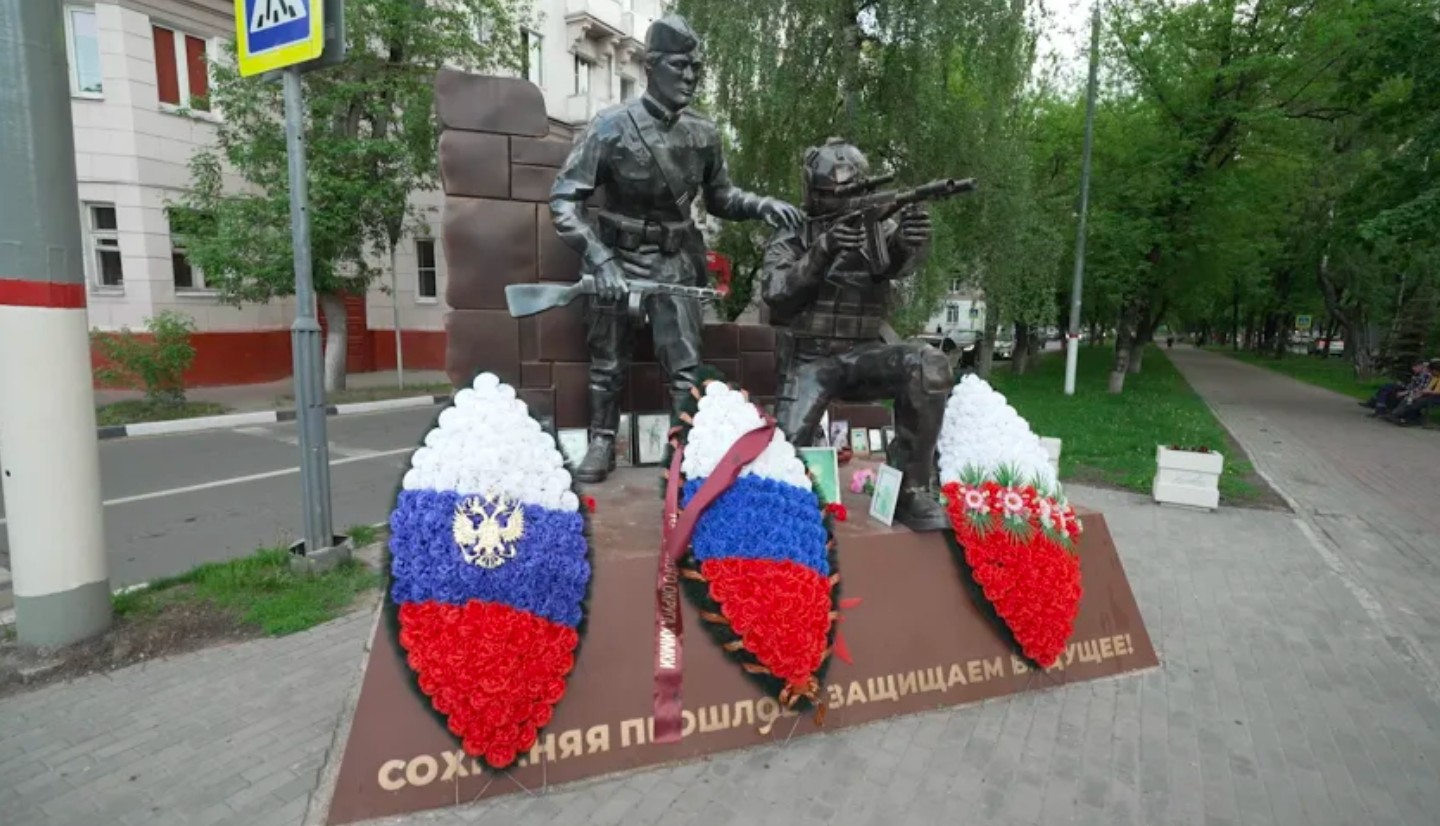
The authorities are trying to contain the panic with the help of propaganda monuments - for example, in Khimki, a monument was erected where a World War II veteran stands next to a member of the so-called «SVO» under the slogan «Preserving the past, protecting the future». However, for ordinary citizens, whose apartments are burning from UAV debris, these slogans are losing their meaning. Russians are increasingly expressing their only wish, albeit in whispers, that this would all end as soon as possible.
A new security strategy: an analytical perspective
Military analysts note that the transfer of hostilities to the aggressor's territory is an absolutely justified step that forces Russia to delay air defence systems from the front to protect their own cities and strategic facilities. Asymmetric responses using long-range unmanned systems are the most effective tool to put pressure on the Kremlin's military and political leadership and destroy the internal stability of the dictatorial regime.