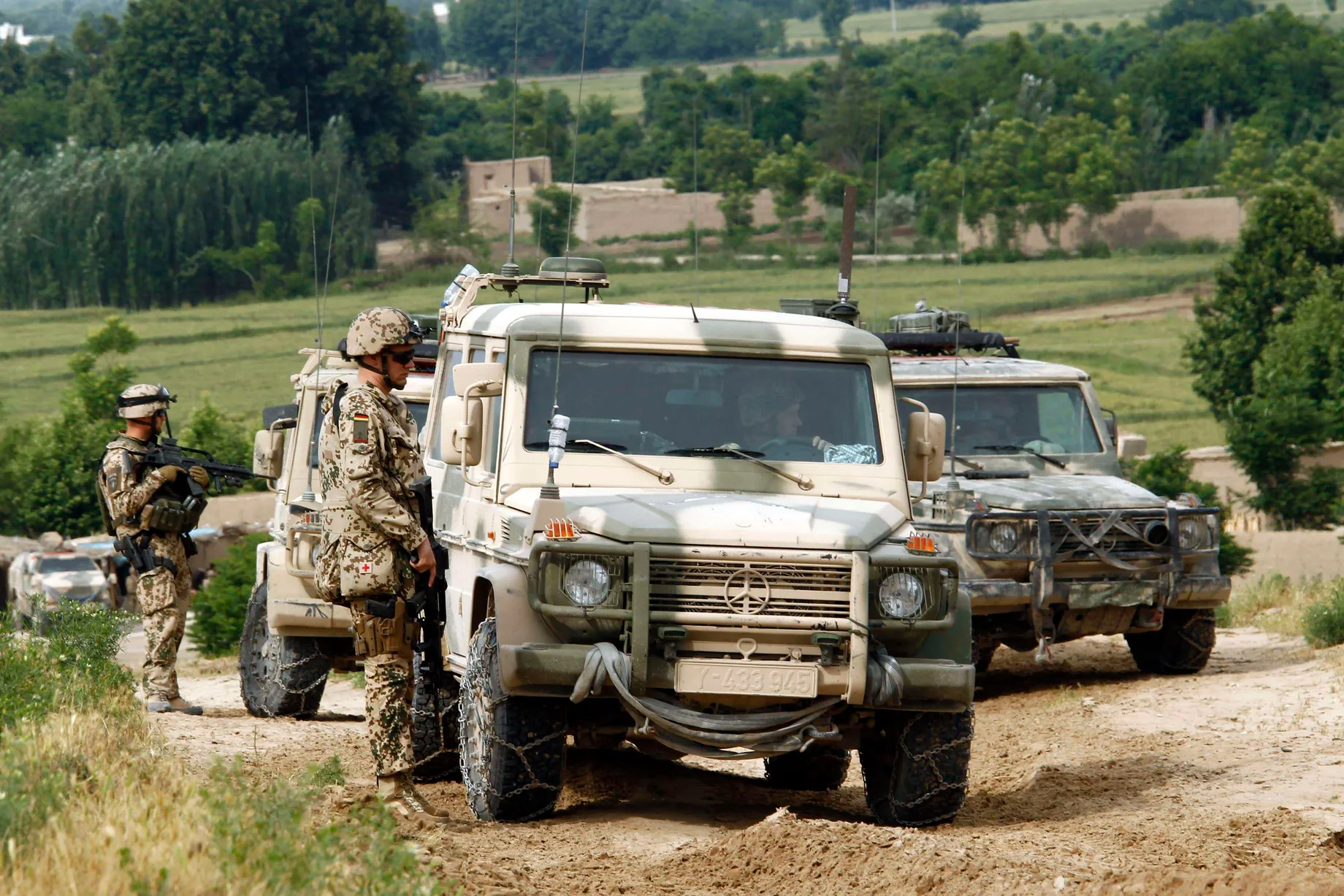
Mercedes-Benz, a long-standing supplier of equipment to the Bundeswehr, is embarking on a new partnership with the drone start-up Tytan Technologies. The initiative, led by CEO Ola Källenius, aims to bring innovation to the military sector. This partnership could transform approaches to the development of defence technologies in Germany.
- Mercedes-Benz is set to collaborate with the start-up Tytan Technologies in the field of drones.
- The company supplies equipment to the Bundeswehr.
- The partnership is led by CEO Ola Källenius.
- The project opens up new possibilities for military technology.
Partnership between Mercedes-Benz and Tytan Technologies
Pros. information Spiegel, Mercedes-Benz, which has long supplied vehicles to the Bundeswehr, is launching a partnership with the start-up Tytan Technologies. This move is being spearheaded by the CEO Ola Kellenius and aims to develop new military technologies, particularly drones.
Tytan Technologies specialises in the development of unmanned aerial vehicles for the defence sector. The partnership with Mercedes-Benz will combine the expertise of a major military equipment manufacturer with the innovative developments of a start-up.
The development of defence technologies in Germany
Mercedes-Benz’s involvement in drone projects highlights the growing interest in the automation and modernisation of combat systems within the Bundeswehr. The partnership opens up new opportunities for integrating state-of-the-art unmanned solutions into the country’s military infrastructure.
Ola Kellenius emphasises the need for innovation in the defence sector to meet today’s security challenges. The introduction of drones could significantly enhance the effectiveness of military operations and the technical capabilities of the Armed Forces.
Prospects and challenges
Combining Mercedes-Benz’s expertise in the manufacture of military equipment with Tytan Technologies’ technologies opens up new opportunities for the development of the defence sector. However, implementing such a project will require significant investment and will involve complex testing and certification procedures.
This collaboration also reflects a pan-European trend towards strengthening defence capabilities through innovation and partnerships between large corporations and start-ups. For Germany, this is an important step in the context of contemporary security policy.