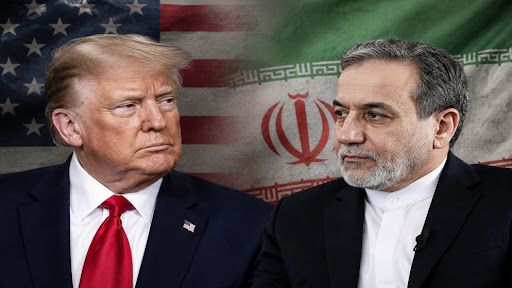
The US and Iran are moving closer to signing a framework agreement that provides for a cessation of hostilities and the reopening of the Strait of Hormuz. Pakistan has confirmed that it is preparing for an electronic signing on Sunday, whilst Iran is refraining from making specific statements regarding the date. Meanwhile, protests against the deal and criticism of the foreign minister continue in Tehran.
- The US and Pakistan expect a peace agreement with Iran to be signed on Sunday.
- Iran has not confirmed an exact date, but is ready to sign in the coming days.
- The agreement provides for the opening of the Strait of Hormuz and the lifting of the US blockade.
- Following the signing, talks will take place regarding Iran’s nuclear programme.
- Protests are taking place in Iran against the deal, and specifically against the foreign minister.
Preparations for the signing of a peace agreement
Pros. information Reuters reports that the leaders of the US and Pakistan predict the signing of a framework agreement with Iran on Sunday. The Pakistani Prime Minister Shehbaz Sharif confirmed that both sides had agreed on the framework of the peace agreement and were preparing to sign it electronically. The agreement is intended to serve as the basis for further technical negotiations.
The Iranian side has not yet confirmed the exact date of the signing. A spokesperson for the Iranian Foreign Ministry Esmail Baghai stated that the agreement would not be signed on Sunday, but that it could be signed in the coming days. This caution highlights the internal divisions within Iran and the complexity of the process.
Key provisions of the agreement
The framework agreement provides for opening of the Strait of Hormuz, which Iran had blockaded during the conflict. This is a vital sea route for global oil supplies. In return, the US will lift its naval blockade of Iran and begin gradually clearing the strait of mines, with the participation of the G7 countries.
The agreement also provides for the release of frozen Iranian assets and the lifting of sanctions on Iranian oil exports. However, negotiations on Iran’s nuclear programme will take place separately over the next 60 days. The agreement provides for the gradual dismantling of Iran’s nuclear programme, including the destruction of its stockpile of enriched uranium.
Internal resistance and protests in Iran
Protests against the deal are taking place in Tehran and other cities across Iran. Hardline supporters are accusing the foreign minister Abbas Arakchi accuse him of treason and are calling for his resignation. They are chanting slogans against making concessions to the US.
These protests are taking place against a backdrop of the Revolutionary Guard strengthening its position, having retained its influence despite US military strikes. Opponents of the deal believe it will weaken Iran’s position.
Regional and international context
Israel is not taking part in the talks and continues to carry out strikes on targets in Lebanon linked to its Iranian ally, Hezbollah. The Israeli Prime Minister Binyamin Netanyahu has differences with Donald Trump regarding the restriction of military operations in the region.
Trump’s telephone conversation with the British Prime Minister By Kier Starmer emphasised the involvement of international partners in resolving the conflict. The participation of the G7 countries in the demining of the Strait of Hormuz underscores the global significance of this agreement.
Next steps following the signing
Following the signing of the framework agreement, detailed technical negotiations will begin regarding Iran's nuclear programme and other contentious issues. The negotiations are expected to last approximately 60 days, during which the terms of disarmament and uranium enrichment controls will be worked out.
This stage is crucial for lasting peace and the stabilisation of the region, as well as for the lifting of sanctions, which could have a significant impact on Iran’s economy and global energy markets.