The US and Iran have agreed on the text of a future peace deal, which provides for the opening of the Strait of Hormuz and the lifting of the US blockade of Iranian ports. At the same time, military activity near the strait shows no sign of abating — US forces have shot down several Iranian drones that were threatening commercial shipping. Israel has refused to participate in the agreement, despite its potential impact on the region.
- The US and Iran have agreed on the text of a peace deal, which is expected to be signed in the coming days.
- The agreement provides for the opening of the Strait of Hormuz and the lifting of the blockade on Iranian ports.
- Military operations near the strait are continuing; the US has shot down Iranian drones.
- Israel is not taking part in the negotiations and does not recognise the agreement.
Text of the peace agreement between the US and Iran
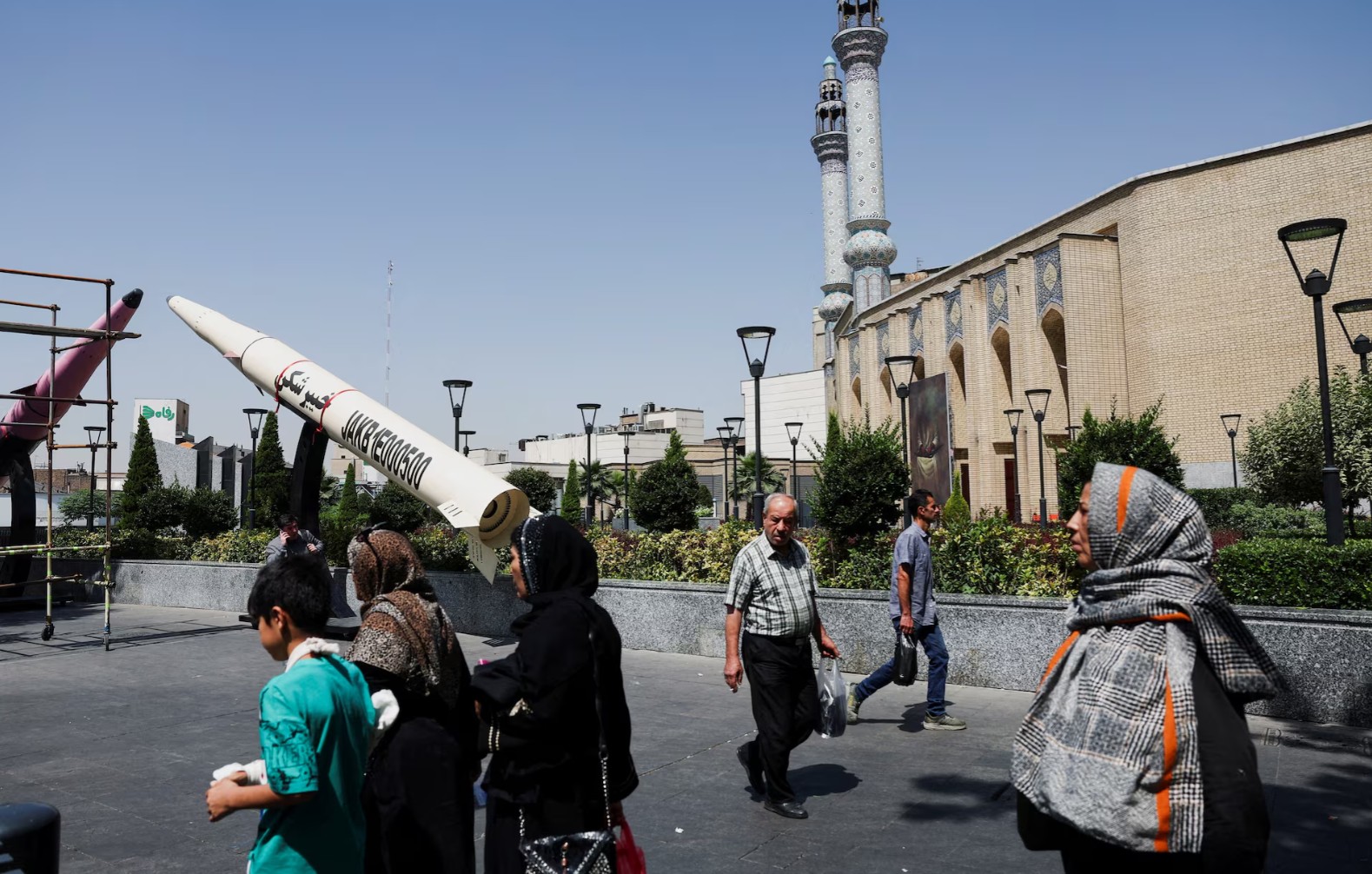
A senior US administration official has stated that both sides have agreed on the text of a peace deal, which is expected to be signed in the coming days. The Iranian Foreign Minister Abbas Araqchi noted that although some changes are possible, this agreement demonstrates Iran’s strengthening position in the conflict. The agreement provides for the opening of the Strait of Hormuz and the lifting of the US naval blockade of Iranian ports.
Military operations near the Strait of Hormuz
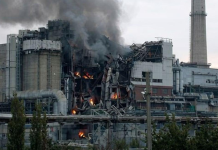
On the same day, the US military shot down several Iranian drones that were heading towards Strait of Hormuz and posed a threat to commercial shipping. Iranian media reported explosions near the port of Sirik and the island of Qeshm, which they attribute to warning shots fired by the Islamic Revolutionary Guard Corps.
Key provisions of the agreement
The draft agreement provides for the initial opening of the Strait, as well as the start of negotiations on Iran’s nuclear programme, which are to take place within 60 days. The US expects that this will result in the destruction of Iran’s stockpile of enriched uranium and the introduction of an inspection regime. At the same time, Iran insists on retaining its enriched uranium, refusing to completely dismantle its nuclear programme.
Israel’s role in the conflict
Israel did not take part in the negotiations and refused to recognise the agreement. The Prime Minister Binyamin Netanyahu stressed that the country would not be a party to the agreement. The Israeli government has stated its intention to retain the freedom to act in response to threats, despite speculation about a possible withdrawal from the occupied territories.
Impact on global markets
News of progress in the peace talks led to falling oil prices by more than 3%, and stock market indices rose. Commercial shipping through the Strait of Hormuz, which accounts for around a fifth of global oil supplies, remains open, although tensions in the region remain high.
Political implications in the US
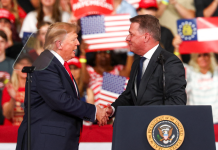
The military conflict and its impact on fuel prices are posing challenges for the US administration, reducing ranking the President Donald Trump. Some Republicans fear that the war’s unpopularity could affect the outcome of the mid-term congressional elections, whilst another section of the party opposes the deal, viewing it as too lenient towards Iran.