Ukraine plans to conclude «drone agreements» with at least seven NATO countries by the end of 2026, underlining its new role in international military cooperation.
- Ukraine is set to sign drone agreements with seven NATO countries by the end of the year.
- Kyiv has already signed six agreements with Latvia, Lithuania and others.
- Ukraine’s key asset is its combat experience and the integration of its air defence systems.
- Countries in the Middle East are turning to Ukraine for help in combating drones.
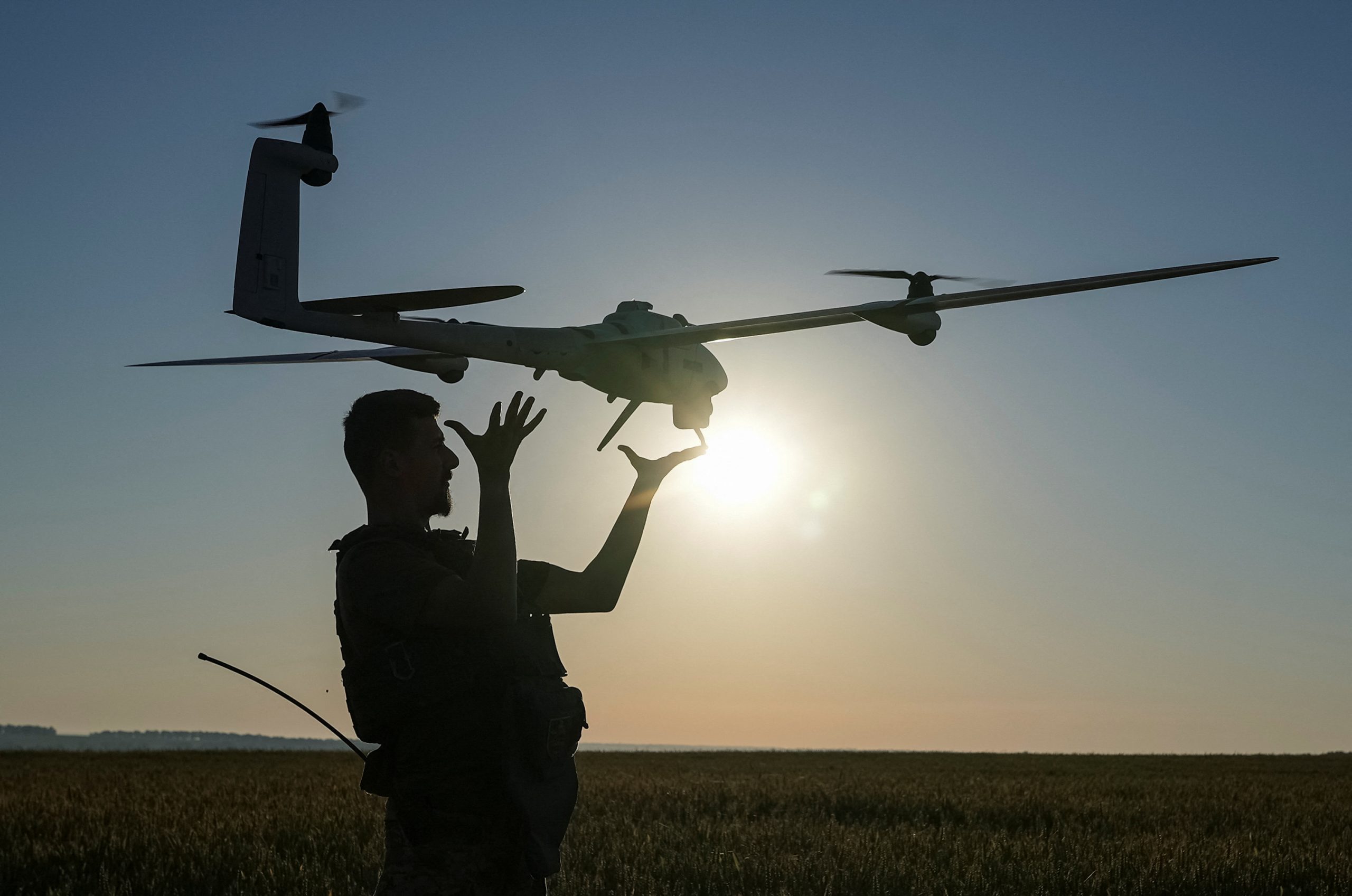
- Ukraine is becoming a world leader in the use of drones.
Ukraine is expanding its military partnerships
Ukraine hopes to conclude major defence agreements with at least seven NATO member states by the end of the year. This was announced by the Deputy Secretary of the National Security and Defence Council David Aloyan, which coordinates a new area of international cooperation in the field of unmanned technologies.
«Drone Deal »These envisage much broader cooperation than simply the supply of drones. Ukraine’s main asset is the combat experience it has gained over years of full-scale war," Aloyan noted.
In addition, the agreements include the transfer of expertise on the integration of air defence systems, radars, ground stations, sensors and countermeasures against attack drones.
The first international agreements
Over the past few months, Kyiv has already signed six such agreements. Its partners include Latvia, Lithuania, Azerbaijan, Saudi Arabia, the United Arab Emirates and Qatar. Following massive attacks by Iranian drones, countries in the Middle East turned to Ukraine for help, as it is the Ukrainian military that has the world’s most extensive practical experience in combating drones of this type Shahed.
Export of technology and expertise
The National Security and Defence Council emphasises that this does not involve the mass export of the drones themselves. Ukraine offers a comprehensive assessment of its partners’ needs, helps to establish an effective air defence system and integrate modern technologies.
«Simply having drones is not enough — we also need modern radars, software, control systems, ground stations and appropriate tactics for their deployment,» Aloyan emphasised.
Focus on NATO countries
The next stage will be to deepen cooperation specifically with these countries NATO, particularly with the Alliance’s eastern flank states, which are increasingly actively preparing for potential threats from Russia. Analysts note that Ukraine has now effectively become a world leader in the practical use of drones and the organisation of multi-layered defences against air attacks, making it a valuable partner for its allies.