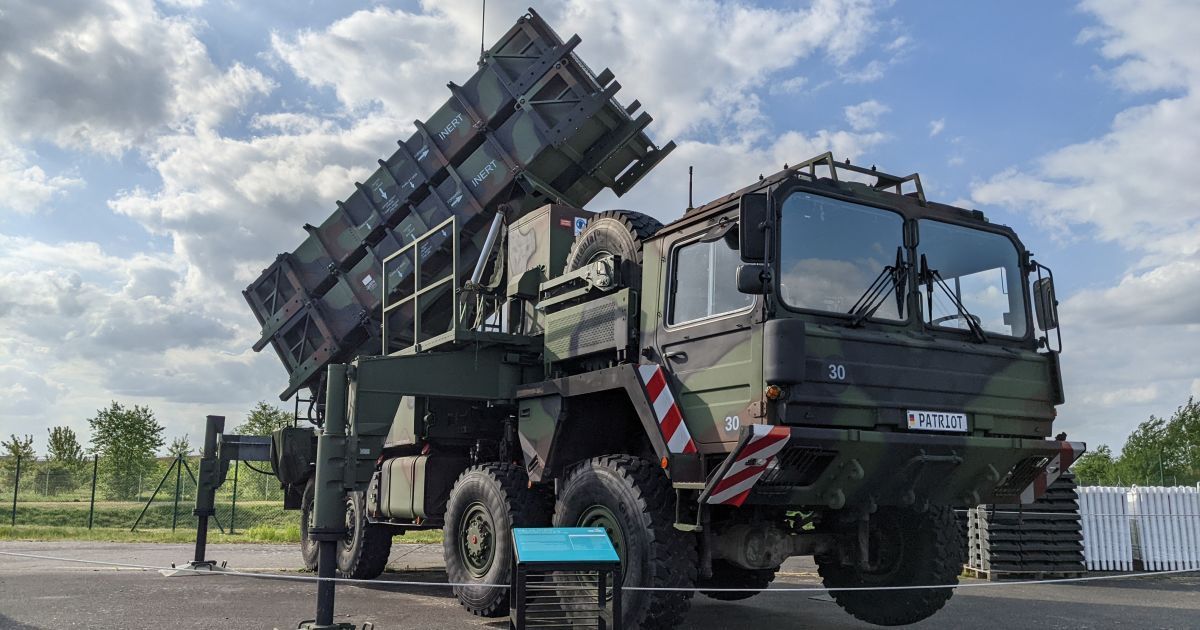
The United States may no longer be able to supply NATO with the necessary weapons, a prospect that is causing concern amongst its European allies. The wars in Ukraine and the Middle East have significantly depleted US missile stocks.
- The US may fail to fulfil its obligations regarding the supply of weapons to NATO.
- Washington has postponed deliveries of the Patriot PAC-3, HIMARS and Tomahawk.
- US missile stocks have been significantly reduced as a result of the wars.
- Zelenskyy has called for air defence capabilities to be strengthened due to a shortage of missiles.
- Europe plans to expand its own arms production.
Wars are depleting US reserves
Military campaigns in Ukraine and the Middle East have significantly depleted the United States’ stockpiles. It is estimated that by April 2026, the US had used up around half of its stockpile of Patriot Advanced Capability-3 missiles (PAC-3), which are used to intercept ballistic missiles. This situation has caused concern amongst European allies, who rely on American weaponry to ensure their security.
Delays in the supply of weapons
This year, the United States has already postponed or cancelled some of its deliveries of modern weaponry. The list of delayed deliveries includes cruise missiles Tomahawk, HIMARS rocket systems and Patriot PAC-3 interceptor missiles. These systems are critical to Ukraine’s defence against Russian attacks, as well as to NATO countries’ missile defence.
Calls to action
Following yet another large-scale Russian attack, the President of Ukraine Volodymyr Zelenskyy stated that the country had been unable to intercept more than two dozen ballistic missiles due to a shortage of interceptor missiles. He emphasised that one of the key expectations from the NATO summit is a decision to increase supplies of air defence systems and ammunition.
New initiatives in Europe
Against a backdrop of uncertainty, European countries are increasingly discussing the expansion of their own arms production. It is expected that during NATO summit New joint arms production programmes will be announced, along with the opening of production lines in Europe and increased investment in the defence industry. However, despite US calls to increase defence spending to 5% of GDP, questions are being raised in a number of European capitals regarding guarantees that Washington will fulfil future contracts for the supply of American weapons.