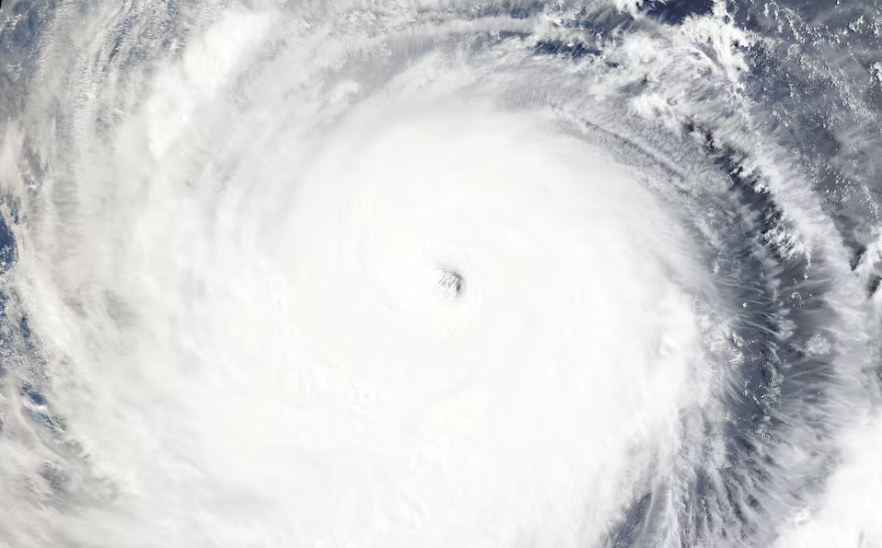
Typhoon «Bavi», which is approaching Taiwan and the east coast of China, could become the strongest typhoon to hit the region since 2024. The authorities are urging residents to prepare for the possible consequences.
- Typhoon «Bavi» is heading towards Taiwan and Fujian.
- Wind speeds reach 200 km/h.
- Taiwan is bracing for its biggest typhoon since 1987.
- The authorities are urging people to stock up on food and water.
- Japan is also at risk of strong winds and flooding.
Typhoon «Bavi»: a threat to Taiwan and China
Powerful Typhoon «Bavi» is rapidly approaching Taiwan and the east coast of China. According to Taiwan’s Central Weather Bureau, the typhoon is currently in the Pacific Ocean, heading towards the northern part of the island. It has a diameter of around 1,000 kilometres, making it the largest typhoon to potentially affect Taiwan since 1987.
Forecasters predict that, after passing close to Bawi Island, it will make landfall on the coast of the Chinese province of Fujian on Saturday evening. Wind speeds are reaching almost 200 km/h, causing serious concern amongst residents.
Call to readiness
President of Taiwan Lai Qingde called on the public to prepare in advance for the possible consequences of the bad weather. Residents are advised to stock up on drinking water and food, prepare a first-aid kit, have torches and fully charged power banks to hand, and put together a three-day emergency kit.
A threat to neighbouring countries
China’s National Meteorological Centre warns that following Taiwan typhoon will hit the country’s east coast. The Japan Meteorological Agency has issued a heightened alert for Okinawa Prefecture, where hurricane-force winds, heavy downpours, flooding, landslides and storm surges are expected.
Scientific forecasts
Experts note that Bavi spent a long time gathering strength over the warm waters of the Pacific Ocean, accumulating a vast amount of energy and moisture. According to Xiangbo Feng, a tropical cyclone researcher at Imperial College London, even a slight change in trajectory can significantly affect the scale of the damage. Climatologists also link the increase in typhoon intensity to global warming and the expected development of the El Niño phenomenon, which contributes to the formation of more powerful tropical cyclones.