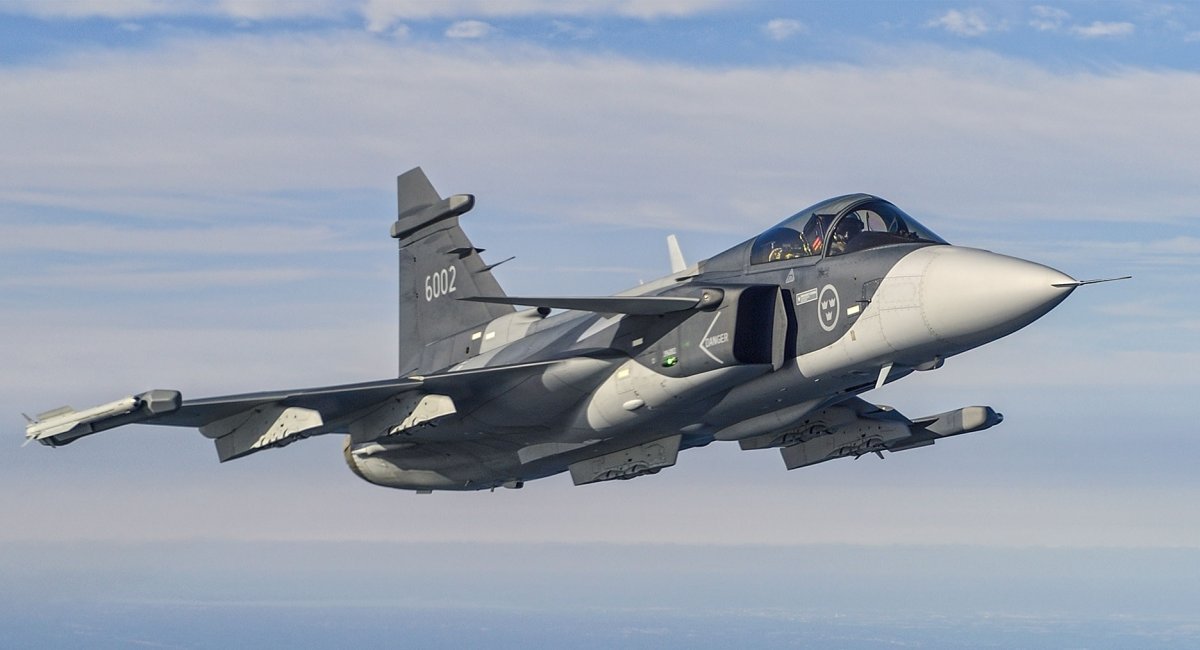
At the NATO summit in Ankara, a decision was taken to significantly expand the Baltic Air Policing mission, enabling the Alliance’s fighter jets to shoot down airborne targets that pose a threat.
- NATO has expanded the remit of the Baltic Air Policing mission.
- Fighter jets can shoot down airborne targets that pose a threat.
- The President of Lithuania, Gitanas Nausėda, has confirmed the Alliance’s decision.
- In 2026, NATO aircraft used weapons for the first time during a mission.
- The changes are linked to the rise in security risks in the Baltic region.
The Baltic Air Policing mission has been transformed into an air defence mission
At the NATO summit in Ankara, the Alliance’s member states decided to modernise the Baltic Air Policing mission, which has been safeguarding the airspace of Lithuania, Latvia and Estonia for over 20 years. The President of Lithuania Gitanas Nauseda reported that fighter pilots have now been authorised to use their weapons to neutralise aerial threats.
Previously, fighter jets merely identified, escorted and intercepted aerial targets, but their remit has now been significantly expanded. “The security situation no longer corresponds to peacetime conditions,” noted Nauseda, emphasising the need to adapt the mission to new challenges.
Why has this decision been taken at this particular time?
The Baltic Air Policing mission was launched in 2004 following the accession of Lithuania, Latvia and Estonia to NATO. As these countries do not have their own fighter aircraft, their airspace is protected by their allies. NATO aircraft They regularly take to the skies to escort Russian military aircraft flying near the borders of the Baltic states.
Following Russia’s occupation of Crimea in 2014, the mission was significantly strengthened, with an increase in the number of aircraft and airbases. In 2026, NATO fighter jets used their weapons for the first time as part of this mission, shooting down drones which, according to preliminary assessments, belonged to Ukraine.
NATO is stepping up its efforts to deter Russia
Minister for Foreign Affairs of Estonia Margus Tsakhkna He emphasised that the new mission format would enable a faster response to airborne threats. Baltic Air Policing fighter jets are regularly scrambled when Russian military aircraft fly over the international waters of the Baltic Sea.
Why it matters
NATO’s decision to transition the Baltic Air Policing mission to an air defence format signals a further strengthening of the Alliance’s eastern flank against a backdrop of rising tensions in the region. The Allies are prepared to respond more swiftly to potential threats and to use force if necessary.