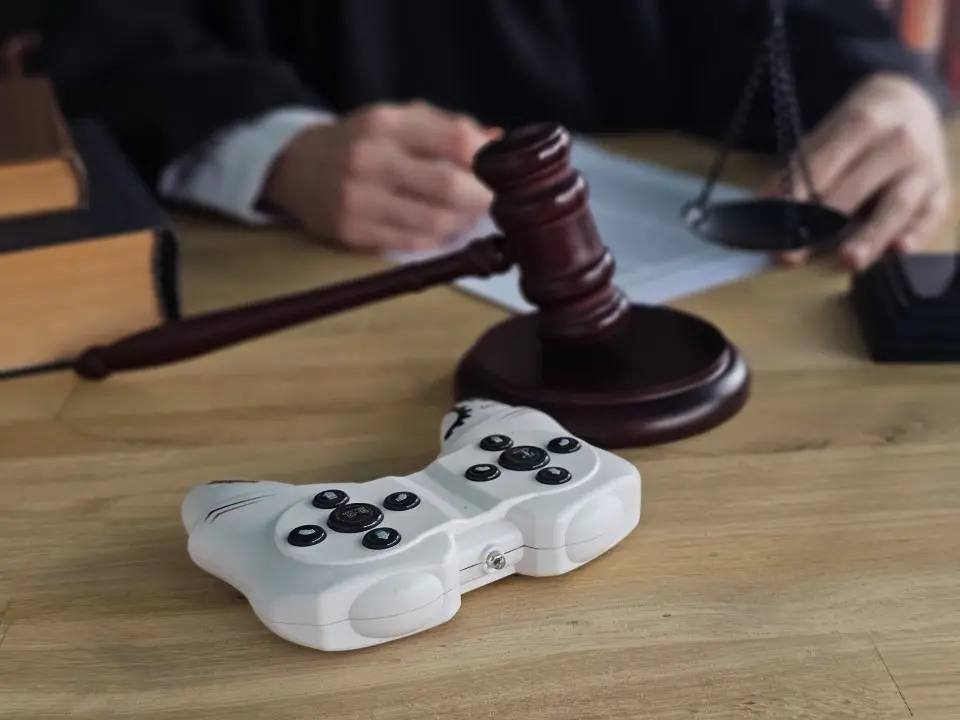
In several cases, Chinese courts have allowed heirs to inherit the accounts of deceased gamers, along with their purchased games, in-game items and microtransactions. According to Tom’s Hardware, the courts have classified such assets as property with monetary value and ruled that the standard ban on account transfers in the platforms’ terms and conditions cannot override a legal right to inheritance.
Briefly about the main points
- Chinese courts have recognised gaming accounts and in-game items as part of an estate.
- The prohibition on transferring accounts in platform agreements does not take precedence over the right of inheritance.
- This legacy may include games, skins and microtransactions.
- Personal correspondence is not passed on to heirs and is retained by the platforms.
- The platforms should facilitate the re-registration process once the supporting documents have been submitted.
The courts have recognised digital items as property
A user reported on a series of decisions Reddit, who claimed to be married to a Chinese lawyer and to be a certified translator from Chinese into English. He provided a brief summary of three cases in which the families of deceased users had successfully asserted their rights to digital assets.
One of the earliest cases was the «Golden Blade» case from the game Zhengtu, which arose in 2009. The wife of a deceased player wanted to sell an item he had obtained in the game. The court took into account the time spent, internet charges, the purchase of in-game currency and the existence of buyers willing to pay around 50,000 yuan for the item. This gave the asset the characteristics of property that can be inherited.
At the same time, the court divided the value of the item equally between the widow and the other player who had helped her obtain it. The virtual marriage within the game had no legal significance, but the court took into account the second player’s contribution to obtaining the item.
Bitcoin and social media have also been included in the legacy
In another case in 2024, the court considered the Bitcoin holdings of a deceased user, a gaming account worth nearly 200,000 yuan, and a social media account. According to a post by Chinese lawyer Wang Lianghua on the Toutiao platform, a representative of the heir argued that virtual assets can be transferred, have value and are capable of generating income.
The court recognised that virtual assets, including Bitcoin, gaming equipment, commercial rights relating to social media, and domain names may form part of an estate. It also permitted the transfer of the right to manage social media accounts to heirs.
The boundary runs through private correspondence
These decisions do not imply that all of a deceased user’s data will automatically be transferred to their heirs. Personal content — in particular, chat histories and other «strictly personal interests» — is not subject to transfer and must remain on the relevant platforms.
Platforms may require documents confirming inheritance rights and may also charge a reasonable fee for the procedure. However, the courts have ruled that provisions in licence agreements which completely prohibit inheritance are invalid, as they conflict with statutory rights.
What does this case law change?
In another case, the mother of a deceased gamer approached the platform to request access to his accounts. The court ordered the company to cooperate with her and transfer the inheritable rights, recognising the accounts, character data and virtual items as virtual property.
In the cases cited, the courts held that the value of a digital asset and the ability to dispose of it may outweigh a contractual prohibition on its transfer. However, it does not follow from these cases that heirs are entitled to the deceased’s private communications or to unrestricted access to all the data in their account.