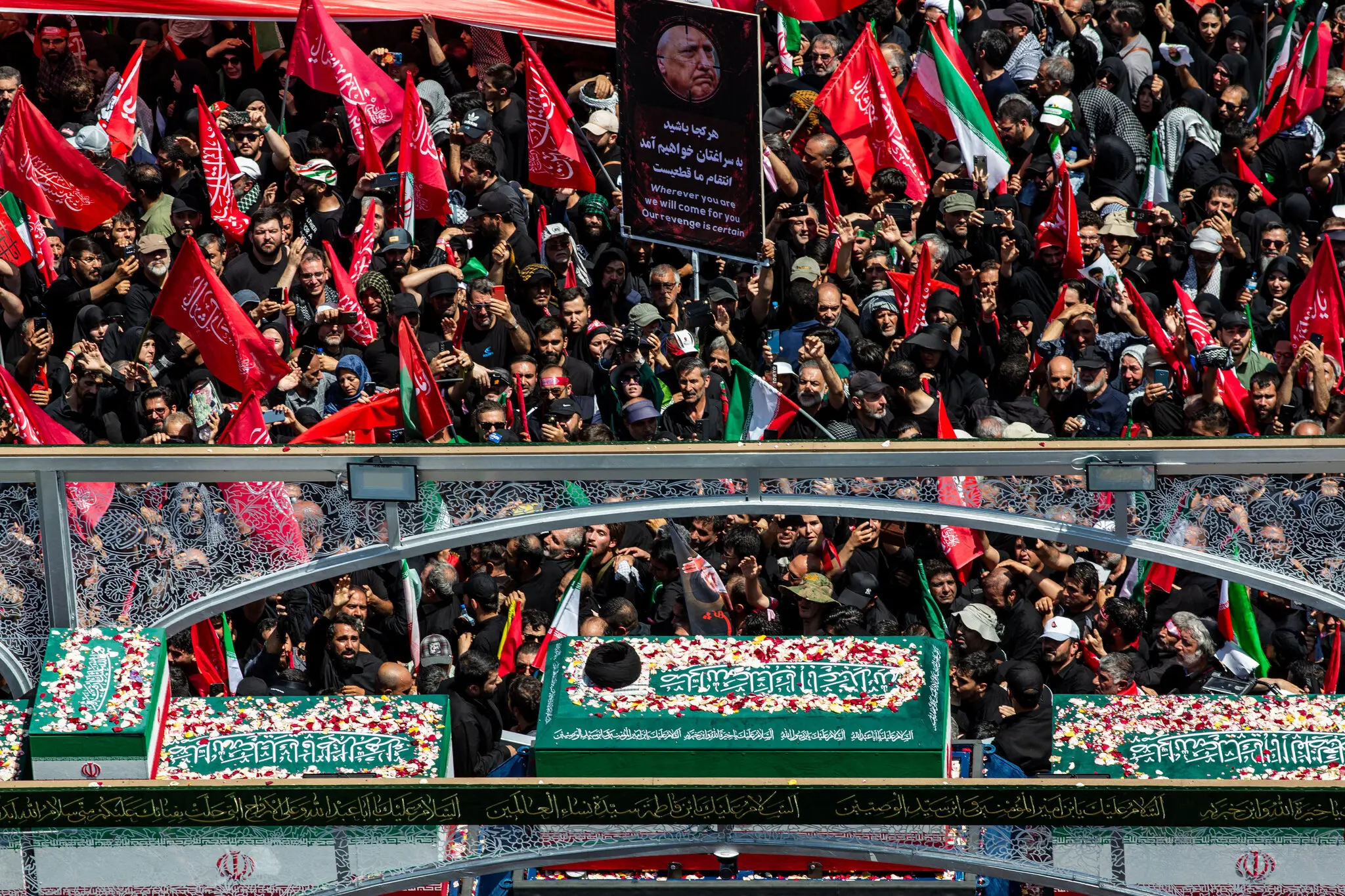
Following the funeral of Iran’s slain Supreme Leader Ali Khamenei, government officials, parliament and the pro-government media have stepped up their calls for retaliation, reports DW. According to the publication, the rhetoric is intended to mobilise supporters of the leadership within the country whilst also signalling a readiness to respond to external opponents.
Briefly about the main points
- More than 180 Iranian MPs have backed calls for retaliation.
- Red flags bearing calls for revenge were raised in parliament.
- Hamshahri has published a list of 13 Western officials.
- Experts describe rhetoric as a tool of deterrence and psychological warfare.
- The new Supreme Leader, Mojtaba Khamenei, has promised to follow in his father’s footsteps.
Parliament and the media are pushing for retribution
On 14 July, during the first in-person parliamentary session since the start of the war, MPs raised red flags bearing calls for revenge, according to Iranian media reports. More than 180 of the 290 MPs supported calls for retaliation for Khamenei’s death.
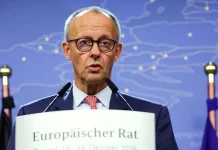
The calls were not confined to parliament. A conservative daily newspaper Hamshahri On Saturday, it published an article entitled «Retribution is Inevitable», which it described as a list of wanted individuals. It included 13 Western politicians and military figures, amongst whom were the foreign and defence ministers, the commander of US Central Command and the German Chancellor Friedrich Merz.
Rhetoric is associated with psychological pressure
Legal scholar and human rights researcher Mo'in Khazaeli believes that threats should not be dismissed as mere political rhetoric. At the same time, he says, a distinction must be made between the capacity, the intention and the actual ability to carry out such threats.
Khazaeli described this campaign as a form of psychological warfare and deterrence. In his view, the leadership is attempting to portray the weakened military and security forces as capable, whilst also signalling the possible use of terrorist tactics in the event of further international pressure.
The funeral was used to rally supporters
Political activist Reza Alidzhani said DW, that the mourning events also had a political purpose. In his view, the authorities sought to demonstrate support for the ruling regime, divert attention from military setbacks and justify the continuation of the conflict under the banner of revenge.
The new supreme leader Mojtaba Khamenei After the week of mourning had ended, he declared his intention to follow in his father’s footsteps. A statement issued on his behalf spoke of a vow to avenge the blood of Khamenei and those who had died in the two wars.
The messages are also addressed to opponents abroad
Khazaeli believes that one of the regime’s main audiences is its supporters: following military or security setbacks, he argues, the authorities step up their threats in order to maintain an image of resolve. At the same time, such statements are directed not only at Western governments, but also at Iranian journalists, activists, human rights defenders and dissidents in exile. The reaction of state television and pro-government Telegram channels to the death of a Republican US senator Lindsay Graham, where favourable comments were made, was yet another manifestation of this approach.