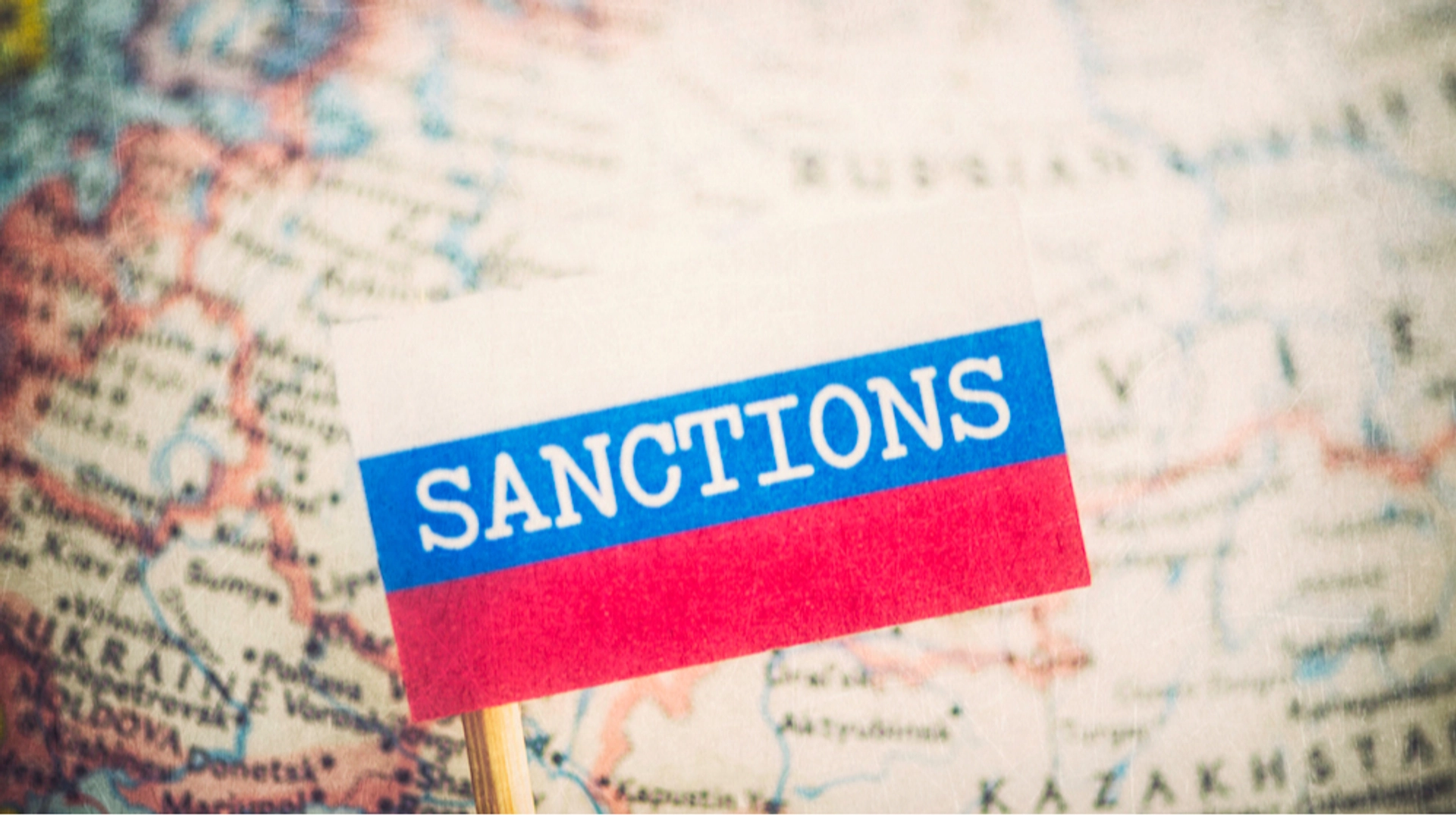
The European Union has approved its 21st package of sanctions against Russia, covering the financial sector, crypto platforms, the oil trade, «shadow fleet» vessels, the military-industrial complex and intermediaries in third countries. The Council of the EU adopted the decision on 23 July. A total of 218 individuals and legal entities have been added to the sanctions lists.
Briefly about the main points
- A total of 48 individuals and 170 companies were added to the lists.
- The restrictions have affected more than 130 banks and financial institutions.
- The EU has added 41 vessels to its shadow fleet list.
- The new rules allow restrictions to be imposed on crypto providers from third countries.
- A six-month transition period has been provided for the Kulevski Oil Refinery in Georgia.
Financial restrictions and cryptocurrency transactions
The package imposes restrictions on more than 130 banks and financial institutions, as well as 14 crypto platforms and the A7 network. According to the Council of the EU, asset freezes and a ban on providing funds have been imposed on up to 94 banks and major financial institutions; separately, the transaction ban has been extended to 33 Russian credit and financial institutions, one bank in Kyrgyzstan and three banks outside Russia.
The EU has also established a legal mechanism to completely ban transactions between operators within the European Union and a crypto-service provider in a third country, if the latter is being used to circumvent Russia’s restrictions. This is not an automatic ban on crypto services in certain countries, but a tool that can be applied to specific operators.
Oil, oil refineries and the «shadow fleet»
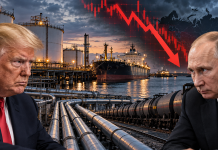
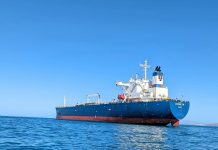
The sanctions have targeted 18 companies and oil refineries, notably in Belarus and Georgia, five oil traders and 41 new vessels in the «shadow fleet». The total number of vessels on the list has reached 632. They are prohibited from calling at EU ports and from receiving a wide range of services related to maritime transport.
The Council of the EU has suspended the automatic adjustment price cap on Russian oil until 15 July 2027. At the same time, provision has been made for an interim review of the necessity and proportionality of this decision. The ban on transactions relating to the Kulevskyi Oil Refinery in Georgia will come into force in six months’ time.
Separately, the EU has extended the restrictions to entities that provide bunkering and other services to vessels. For the first time, a crewing agency has been included in the sanctions regime targeting the «shadow fleet». A notification requirement has also been introduced for the sale of LNG tankers.
The defence-industrial complex, intermediaries and trade
The EU has imposed sanctions against 56 individuals and companies, including drone manufacturers, as well as against 51 intermediary companies in China, India, the UAE and other countries. Of the 56 new entries, 37 are directly linked to the production of long-range UAVs and their supply chains.
The package bans the export of military components and the import of Russian goods worth over 60 million euros; similar trade restrictions have been imposed on Belarus. The new export-controlled items include, in particular, nickel and beryllium powders, materials for the aerospace and defence sectors, jamming systems, launchers and servomotors for UAVs and missiles.
Visa measures and the protection of European businesses
The EU is preparing an entry ban on Russian combatants and former combatants; however, the date on which this measure will come into force is to be determined separately by the Council of the EU. Sanctions have also been imposed on eight propagandists and a general linked to the torture of prisoners of war.
The package provides for the protection of EU companies from rulings by Russian courts in cases relating to sanctions. Member States and courts will be able to refuse to recognise or enforce such rulings, which should reduce the risk of legal pressure on European businesses.
Pressure to circumvent sanctions via third countries
The new package combines restrictions targeting Russian entities with measures targeting financial, trade and logistics intermediaries outside the EU. This indicates Brussels’ intention to make it more difficult to use external payment channels, cryptocurrency operators and services for ships.
EU High Representative Kaya Kallas stated that the sanctions should increase pressure on Russia to engage in meaningful negotiations. The practical impact of the package will depend on the monitoring of transactions, the identification of vessels and the willingness of intermediaries in third countries to refrain from risky cooperation.