SBU drones struck a Project 12418 «Molniya» missile boat, an oil production platform at the Filanovskoye field, and the cargo ships Port Olya 2 and Begey in the Caspian Sea. The drones also attacked military targets in Rostov-on-Don, where an S-400 radar system was hit, and a Tor-M2 air defence system, a Pole-21 electronic warfare system and two depots of FPV drones were destroyed.
Briefly about the main points
- A Project 12418 «Molniya» missile boat has been hit in the Caspian Sea.
- The Filanovskoye field platform was hit.
- Port Olya 2 and Begey, which are linked to military transport, have been hit.
- An S-400 radar system with an antenna tower has been hit in Rostov-on-Don.
- A «Tor-M2», a «Pole-21» and two depots of FPV drones have been destroyed.
Targets in the Caspian Sea
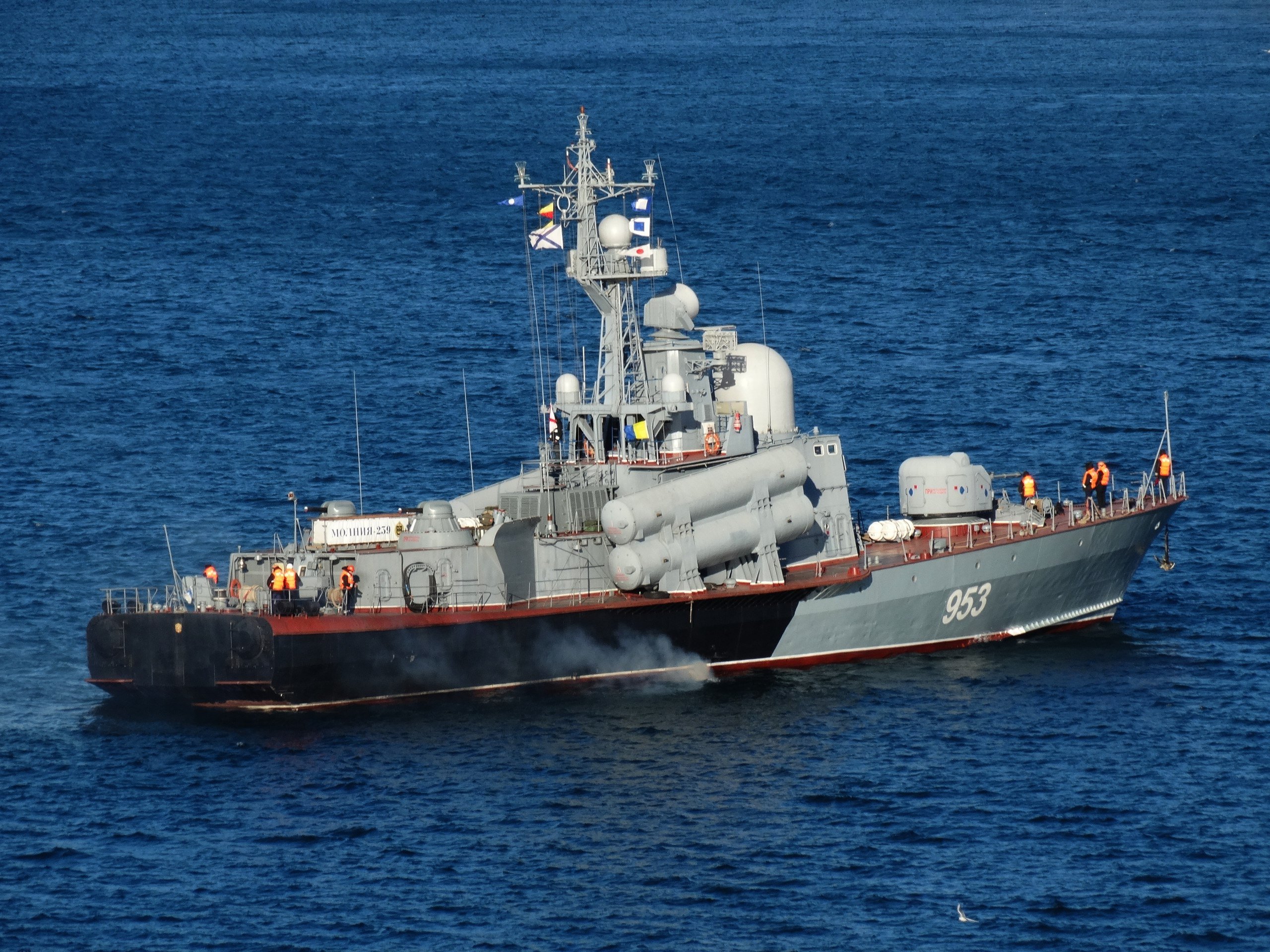
Among the targets hit was a missile boat Project 12418 «Molniya». According to the Russian company «Rosoboronexport», these boats are designed to engage surface vessels either independently or as part of a naval task force. Their standard armament comprises eight X-35UE anti-ship missiles from the Uran-E system, with a claimed range of up to 260 kilometres.
Drones also struck an oil production platform at the Filanovskoye field. The field is being developed by Lukoil; the company describes this asset as the largest in the Russian sector of the Caspian Sea. The field’s infrastructure is linked to the Caspian Pipeline Consortium system and the company’s other Caspian projects. The extent to which the strike has affected production, processing or supplies has not yet been determined.
Ships on the route between Iran and Russia
In the Caspian Sea, the cargo ships Port Olya 2 and Begey, which were being used to transport military cargo between Iran and Russia, were struck. Ukrainian military intelligence also classifies both vessels as transport vessels involved in military logistics.
Port Olya 2 is linked to the company MG-FLOT and is included on the US OFAC sanctions list. According to the War & Sanctions database of the Main Intelligence Directorate, the Begey operated between Iranian ports and Astrakhan; the UK and Canada have imposed sanctions on the vessel. The US Treasury Department had previously stated that the Caspian route was being used to transport cargo between Iran and Russia.
There is no information regarding the cargo on board at the time of the attack, possible crew casualties or the vessels’ subsequent seaworthiness. It is therefore impossible to assess whether the strike caused a prolonged disruption to this route.
Air defence, electronic warfare and drone depots in Rostov-on-Don
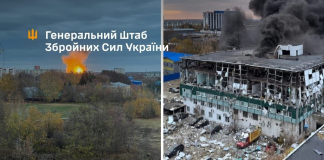
Separately, UAVs attacked a number of military installations in Rostov-on-Don. The strike hit the 92N6E «Grave Stone» radar station and its antenna tower, which form part of an anti-aircraft missile system С-400 «Triumph».
A «Tor-M2» anti-aircraft missile system, a «Pole-21» electronic warfare system and two depots containing FPV drones were also destroyed. The Russian side describes the export version of the «Pole-21» as a means of jamming the navigation equipment of precision-guided weapons, and the «Tor» as a system for countering precision-guided munitions.
Simultaneous pressure on various support elements
The combination of objectives indicates simultaneous pressure on several components of Russia’s military capability: its naval strike force, the supply route from Iran, oil production infrastructure, and air defence and electronic warfare capabilities. This does not imply that each of these areas has automatically ceased to function, as there is no data on the extent of the damage, or on the repair or replacement of the affected assets.
At the same time attacks in the Caspian Sea extend beyond the local waters due to the documented use of this sea for Russian-Iranian shipments. In Rostov, meanwhile, damage to radar, air defence, electronic warfare and UAV depots could hamper the operation of certain defence and support elements, though the duration of such an effect is currently unknown.