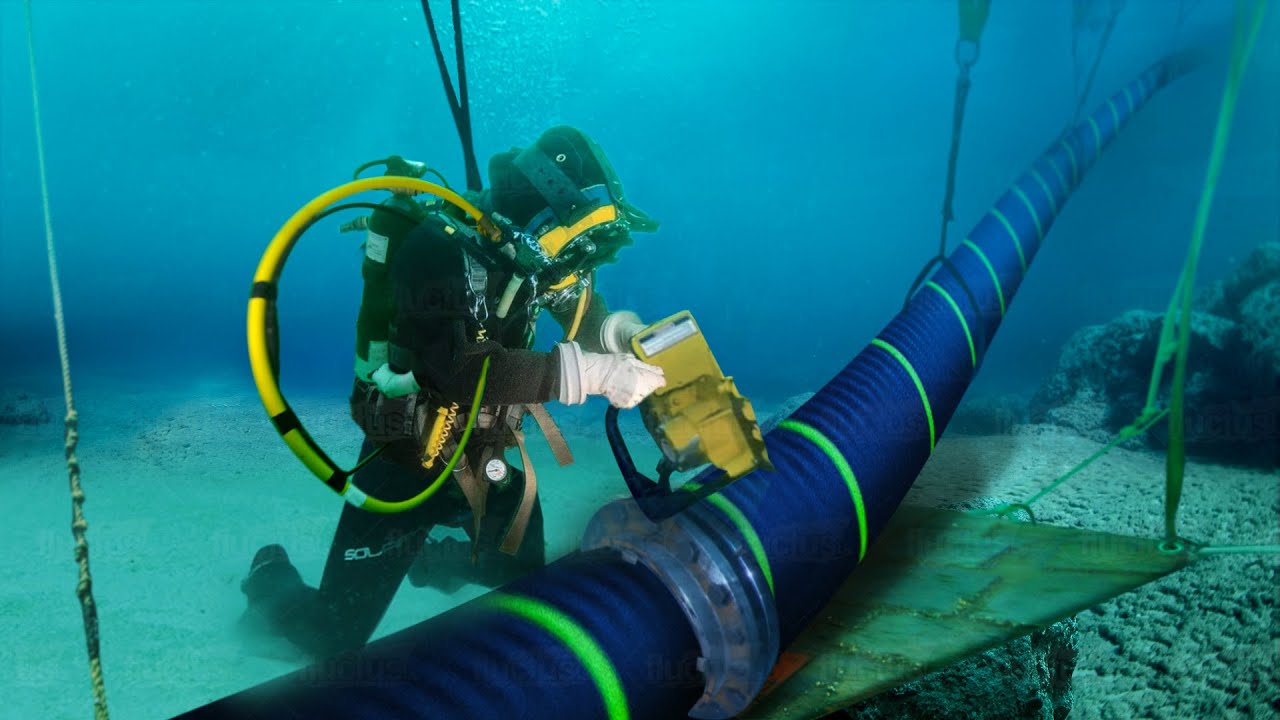
Iranian officials told Reuters that Tehran had allegedly drawn up plans to attack undersea telecommunications cables in the Persian Gulf in the event of further strikes by the US and Israel. On 21 October, Yadollah Javani, a spokesperson for the Islamic Revolutionary Guard Corps, named seven major cables in the Strait of Hormuz as potential targets under such circumstances.
Briefly about the main points
- Reuters reported statements by two Iranian officials regarding alleged plans to carry out attacks on cables.
- A representative of the IRGC named seven cables in the Strait of Hormuz as potential targets.
- The risks to communications in the Gulf states depend on backup routes and traffic rerouting.
- According to TeleGeography’s estimates, less than 1% of international bandwidth passes through the strait.
- The verified materials contain no information regarding actual damage to the cables in the strait.
What Reuters reported about possible plans
On 23 October, Reuters, citing two unnamed senior Iranian security officials, reported on alleged detailed plans for strikes against the Persian Gulf’s undersea communications infrastructure. According to the agency’s sources, such a scenario is being considered in the event of renewed military strikes by the US and Israel against Iran.
One of the sources also told Reuters that Iran might be attempting to hinder repairs to the damaged lines in order to prolong the disruption to communications. The sources did not specify any particular locations, methods or timelines for a possible operation.
Seven cables have been identified as potential targets
21 October: the political deputy to the Commander-in-Chief of the KVIER Yadolla Javani stated that Iran could target seven large submarines internet cables, should Iranian infrastructure be attacked. This was a general public statement, with no details given regarding specific routes, timelines or the start of the operation.
The Strait of Hormuz is situated between Iran and Oman and connects the Persian Gulf with the Gulf of Oman and the Arabian Sea. In October, an Iranian official Mohsen Rezaei He also warned of possible attacks on US-linked digital infrastructure in the Gulf, in particular data centres and artificial intelligence facilities.
What might the implications be for communications?
According to the International Telecommunication Union, submarine cables carry over 99% of international data traffic. Simultaneous damage to several lines could affect the operations of internet service providers and digital services in the Gulf states.
According to the director of research at TeleGeography Alana Moldina, less than 1% of international bandwidth passes through the Strait of Hormuz. Consequently, the most significant impacts may be felt at a regional level: slower connection speeds and potential disruptions to international financial transactions, e-commerce and cloud services.
The extent of the disruption will depend on the number of damaged lines, the availability of alternative routes and the operators’ ability to reroute traffic. Gulf countries and technology companies are developing alternative land-based connections capable of partially offsetting the problems with undersea routes.
Repairs may be complicated by combat risks
Repairing submarine cables requires specialised vessels, equipment and permits to carry out work in the relevant maritime zones. Experts estimate that military risks to vessels, higher insurance costs and possible restrictions on access to territorial waters could delay the repairs.
The vulnerability of the region’s digital infrastructure had already become apparent during the attacks in March 2026. At the time, AWS reported that two of its facilities in the UAE had been directly hit, and that its facility in Bahrain had suffered physical damage following a drone strike nearby.
The sources reviewed at the time of writing contained no reports of actual damage to undersea cables in the Strait of Hormuz. Reuters also noted that the US State Department and the Iranian Ministry of Foreign Affairs had not responded to the agency’s enquiries regarding statements made by Iranian officials.