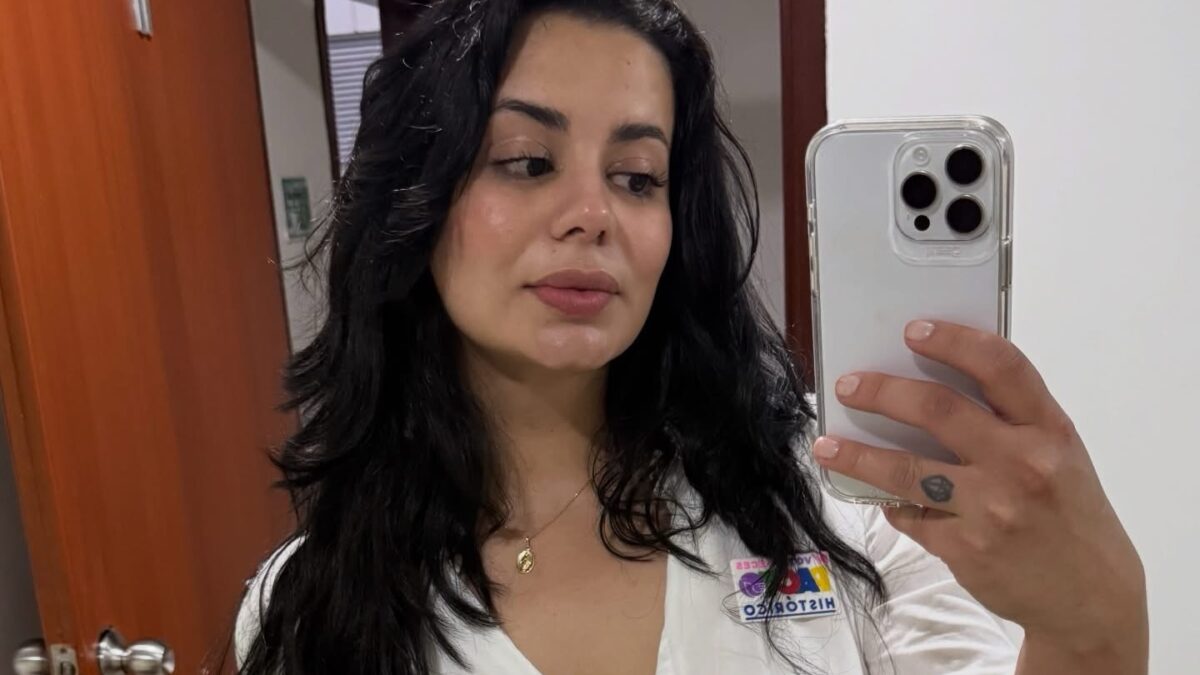
Daisy Alejandra Ortiz, known by the stage name Amaranta Hank, was sworn in as a senator in the Colombian Parliament representing the left-wing Pacto Histórico party. She was elected in March in the Norte de Santander region. Ortiz has identified the legal and social protection of workers in the adult entertainment industry as one of her main priorities.
Briefly about the main points
- Amaranta Hank was sworn in as a senator for Colombia.
- Ortiz represents the left-wing Pacto Histórico party.
- She ended her career in the adult film industry two years ago.
- The senator has pledged to push for social protection for creators of 18+ content.
- Ortiz also advocates for accessible mental health support and the prevention of sexual violence.
The mandate following the March elections
According to the Colombian newspaper La Opinión, the 33-year-old Orthosis She was sworn in in Bogotá on Monday. She was elected to parliament on the Pacto Histórico list: her election was made possible by her 23rd position on the party’s list of candidates.
Pacto Histórico is the party of Colombia’s outgoing president, Gustavo Petro, and holds 25 seats in the Senate. Following the announcement of the results, Ortiz said she felt the support of her voters.
From journalism and the adult entertainment industry to politics
Before her political career, Ortiz worked as a journalist. In 2017, she began appearing in adult content under the pseudonym Amaranta Hank, and left the industry two years ago.
She describes her past as an experience that has enabled her to recognise inequality, the struggle for freedom and the challenges facing the real economy. The senator has pledged to bring these issues directly into the legislative debate.
Social safeguards for workers in the industry
The central theme of Ortiz’s campaign was the protection of people who create adult content. She intends to campaign for social security and legal safeguards for them, which, she says, should protect workers from exploitation by companies and agencies.
Ortiz believes that the state has failed to ensure proper regulation due to misinformation, bias and double standards. She also responded to critics’ objections regarding the right of former adult film actors to stand for election: society consumes such content, yet at the same time denies its creators the right to be represented in government institutions.
In addition, the senator expressed her support for high-quality mental health services and measures to prevent sexual violence.
Representation as part of the political debate
Ortiz’s election to the Senate does not, in itself, alter the legal status of workers in the adult industry: this requires legislative measures and the support of parliament. At the same time, her mandate ensures that this issue is directly represented within the legislature.
Ortiz herself speaks of a political transformation that is not yet complete, but has already begun. Her stated programme combines issues of labour rights, social protection and combating the stigmatisation of people with experience of working in the adult entertainment industry.