Iranian Telegram channels have begun issuing threats against Ukraine following reports of Russian vessels carrying military cargo between Russia and Iran being struck in the Caspian Sea. The posts mention the possible use of ballistic missiles and circulate maps showing the approximate range of Iranian missile systems.
What Iranian Telegram channels are spreading
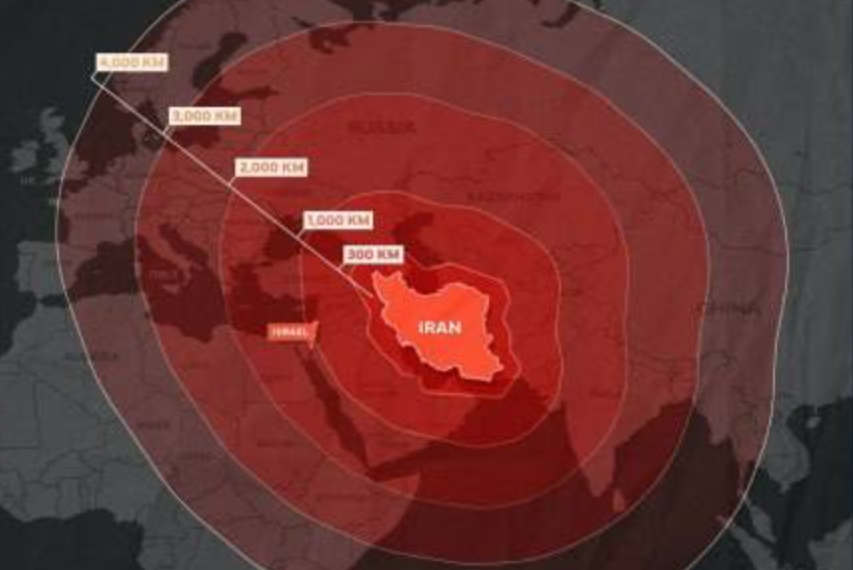
Posts that have appeared on the Iranian section of Telegram contain threats to use ballistic missiles against Ukraine. Alongside these messages, a map is being circulated showing the estimated ranges of Iranian missile systems — from 500 to several thousand kilometres.
The reports are clearly propaganda in nature and portray the Ukrainian strike as an attack on Iran’s interests. The authors of the reports are attempting to convince their audience that Tehran allegedly has the technical capability to launch a retaliatory strike.
However, Telegram channels, even if they support the Iranian authorities or IRGC, are not official sources. At the time of publication, there is no evidence that Iran has decided to launch a military response or has begun preparations for strikes against Ukraine.
Which vessels were hit in the Caspian Sea?
President Volodymyr Zelenskyy On 25 July, he reported «very good results» from Ukrainian long-range strikes in the Caspian Sea. According to him, the targets included vessels involved in transporting military cargo between Iran and Russia, as well as a Russian warship.
At the Security Service of Ukraine clarified, referring to a cargo ship Port Olya 2 and a dry cargo ship Begey. Both vessels are subject to international sanctions and, according to the security services, were used for military logistics between Tehran and Moscow.
It was also reported that a Project 12418 «Molniya» missile boat and an oil production platform at the Filanovskoye field had been hit. In addition, Ukrainian forces attacked a number of military and logistical facilities on Russian territory, notably in Tyumen, Rostov-on-Don and Yekaterinburg.
Why threats should be assessed with caution
Iran has ballistic missiles of various ranges in its arsenal; however, the map from Telegram does not prove either its readiness or its intention to use them against Ukraine. Launching missiles over such distances requires suitable launch sites, flight paths and a military-political decision, for which there is currently no evidence.
The dissemination of threats may form part of an information campaign aimed at intimidating the Ukrainian public and demonstrating support for Russia. It also highlights just how important the Caspian logistics route remains for Moscow and Tehran.
The Ukrainian strike, if judged by the SBU’s statements, was not directed against Iran’s civilian shipping, but against Russian vessels subject to sanctions that were involved in the supply of military cargo. Therefore, reports from Telegram channels should not be treated as an official threat to Iran. At the same time, their appearance indicates that the disruption to Caspian logistics has provoked a noticeable reaction in the Iranian media landscape.