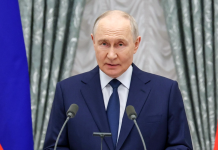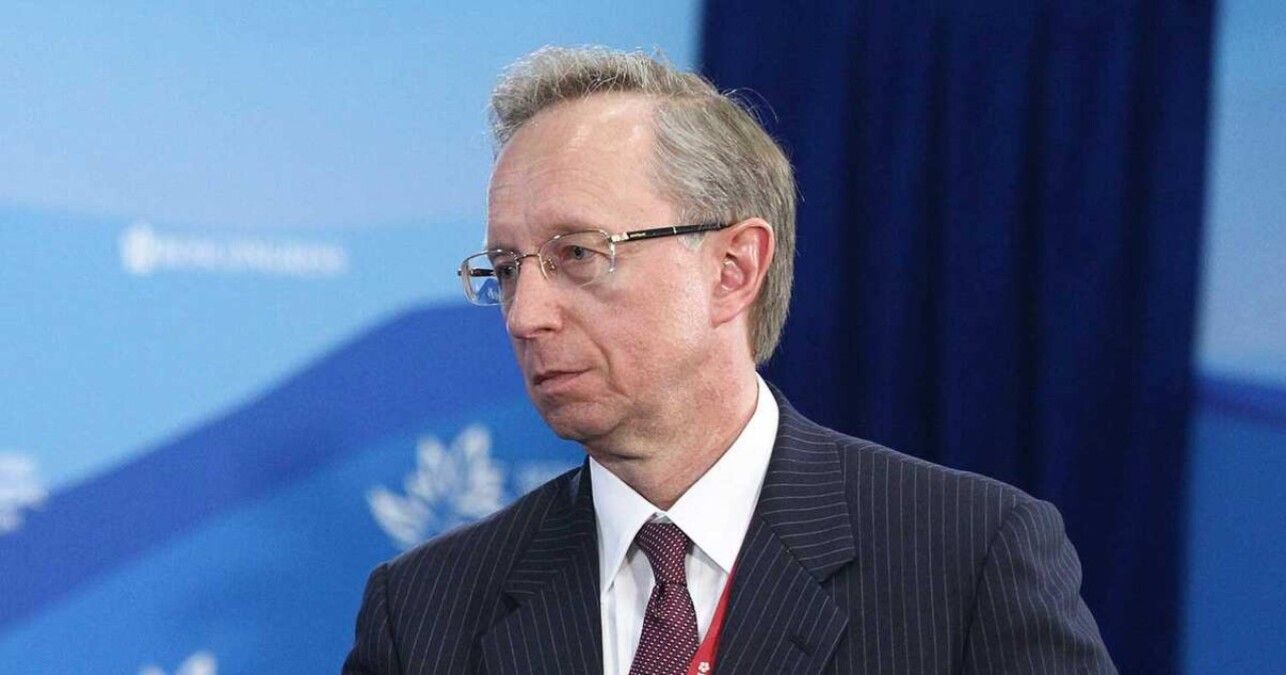
Russia will not agree to a «freeze» on hostilities in Ukraine unless its own demands – which Moscow describes as «addressing the root causes of the conflict» – are met. This was stated on 10 August in comments to TASS by Mikhail Galuzin, Deputy Minister of Foreign Affairs of the Russian Federation. The Russian side rejects the idea of halting hostilities and freezing the current situation on the front line as a sufficient means of ending the war.
Briefly about the main points
- Moscow does not regard a pause in the fighting as a separate option for a settlement.
- Russia is calling for a broader political and security agreement.
- Among the conditions previously put forward is Ukraine’s refusal to join NATO.
- Moscow’s territorial claims also form part of its negotiating position.
- The statement continues the Russian Foreign Ministry’s previous rhetoric.
Moscow does not consider the pause in fighting to be a sufficient agreement
According to Hallucination, Russia is not satisfied with a cessation of hostilities that would freeze the current situation on the front line. The Russian Foreign Ministry believes that such a pause, without a broader political agreement, will not lead to a long-term settlement.
The Russian diplomat linked Moscow’s approach to the argument that it is necessary to ensure «peace and security» in Europe. He also reiterated the position of Russian diplomacy, according to which security must be shared by all states.
In fact, Russia does not regard the cessation of hostilities alone as a sufficient condition for ending the war. Its position treats the political and security demands put forward by Moscow as a separate topic for negotiation.
What Moscow counts as the «root causes of the conflict»
The Russian authorities regularly use this phrasing to refer to their own set of demands on Ukraine. In previous statements, Galuzin and other representatives of Moscow have referred to Ukraine’s neutral and non-aligned status, and its renunciation of NATO membership, recognition of the territorial «realities» imposed by Russia, and demilitarisation.
The Russian side is also putting forward demands relating to the status of the Russian language and the Russian-speaking population. This is the Russian Federation’s position, not the agreed terms of a peace agreement.
In June 2024 Vladimir Putin He also stated that his proposal envisaged not only a ceasefire, but also compliance with Russia’s conditions regarding territories and Ukraine’s future membership of NATO.
The Russian Foreign Ministry is continuing to follow its previous line of negotiation
This new statement does not signify a change in Moscow’s approach to the negotiations. On 4 August, Galuzin claimed that Russia was allegedly open to the negotiation process, but did not see any «constructive» proposals from Western countries.
In June, he explained to diplomats from Germany, France and the United Kingdom that Russia’s approach to a settlement was based on the need to «address the root causes». Moscow continues to link the negotiation process and the cessation of hostilities to its broader set of demands.