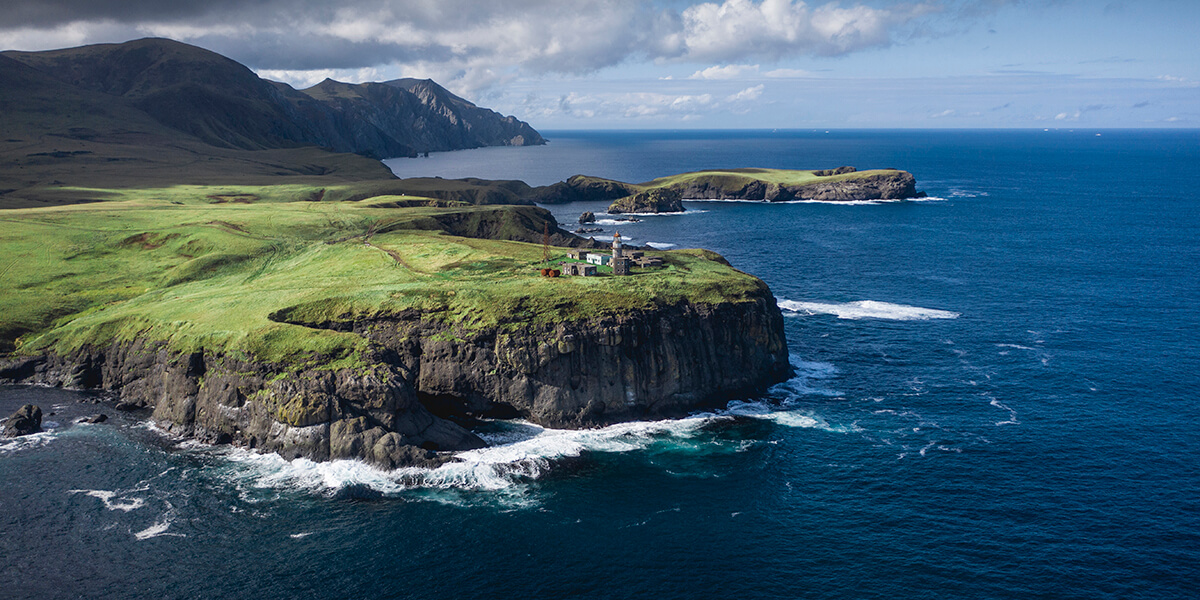
Vladimir Putin’s visit to the Kuril Islands, the first in 26 years, has exacerbated the territorial dispute between Russia and Japan. Tokyo described the Kremlin’s actions as an escalation, summoned the Russian ambassador to the Foreign Ministry, and Prime Minister Takaiiti stated that the four disputed islands are «inherent territory of Japan».
Briefly about the main points
- Putin visited the Kuril Islands for the first time in 26 years.
- Tokyo summoned the Russian ambassador over the Kremlin’s actions.
- Japan regards the four islands as its «Northern Territories».
- The dispute is still standing in the way of a formal peace treaty.
- Negotiations on the agreement have been on hold since March 2022.
Tokyo and Moscow have exchanged strong statements
On the eve of the visit Vladimir Putin claimed that Japan posed alleged territorial threats to Russia. In response, Takai called the disputed islands «Japan’s inherent territory».
The Japanese Foreign Ministry has accused the Kremlin of escalation and summoned the Russian ambassador. Deputy Chairman of the Russian Security Council Dmitry Medvedev stated that the Kuril Islands «have been and will remain» part of Russia, and called on Tokyo to keep quiet.
Four islands remain an obstacle to a peace treaty
The dispute concerns Iturup, Kunashir, Shikotan and the Habomai Islands. These have been under Russian control since the Second World War and form part of the Sakhalin Oblast, whilst Japan refers to them as its «Northern Territories».
Due to disagreements over the ownership of the islands, the countries did not formally conclude a peace treaty after the war. Joint the 1956 Declaration by the USSR and Japan put an end to the state of war and re-established diplomatic relations, but did not take the form of a treaty.
The negotiation track has remained on hold since 2022
Following the outbreak of Russia’s full-scale war against Ukraine, the Japanese authorities reverted to a more stringent formulation regarding «historical territories». In March 2022, Moscow announced the suspension of peace treaty negotiations due to Japanese sanctions, and they have not, in effect, resumed since then.
Japan’s 2025 Defence White Paper regards Russia’s active military activities on the disputed islands as part of a serious security problem. China is a broader regional factor due to its standoff with Japan, but there is no evidence of its direct role in the current escalation.