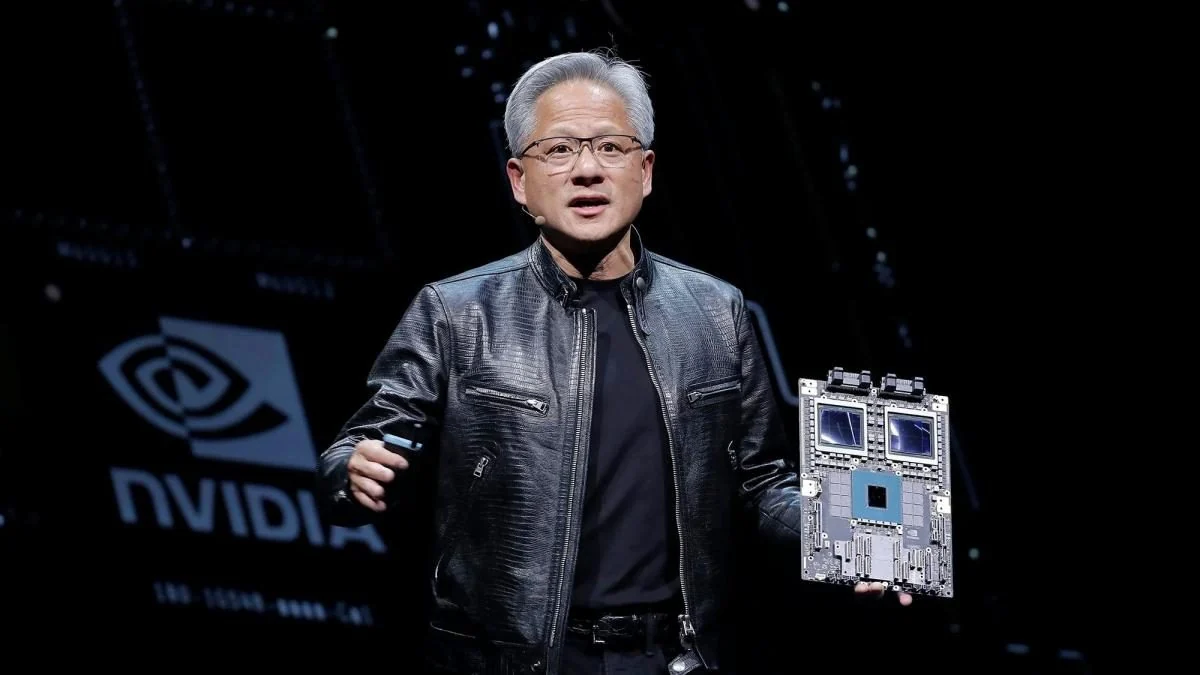
Nvidia’s board of directors is considering dismissing the company’s chief executive and co-founder, Jensen Huang, following fresh reports of his personal relationship with a subordinate. According to The New York Times, the head of the tech giant had an affair with Kimberly Powell, who heads Nvidia’s medical technology division and reports directly to him. The report came to light against the backdrop of another investigation into potential risks to US national security. The news caused a sharp fall in Nvidia’s share price, with its market capitalisation shrinking by approximately $600 billion in the space of a few days.
- Nvidia’s board of directors is considering the possibility of dismissing CEO Jensen Huang.
- The NYT reported on Huang’s alleged relationship with Nvidia’s head of healthcare.
- The company is conducting an independent investigation into potential risks to national security.
- Nvidia shares fell by around 8 per cent in after-hours trading, with its market capitalisation falling by approximately $600 billion.
Nvidia’s board of directors is discussing Huang’s future
According to The Wall Street Journal, the board of directors Nvidia met on the evening of 11 November to decide on the CEO’s future. The discussion took place following a report in *The New York Times*, whose journalists had spoken to five people who had worked at the company.
Sources interviewed by the publication claim that Huang had a personal relationship with Nvidia’s vice-president for healthcare Kimberly Powell. She has been with the company for over 18 years and is part of the management team that reports directly to the Chief Executive.
The company had previously launched an independent investigation following reports of other Huang’s personal relationships. US law enforcement agencies are investigating whether a woman with whom he had a relationship may have been involved in activities on behalf of Chinese intelligence and the illegal supply of US technology to the PRC.
Huang had previously admitted to marital infidelity and publicly apologised to his family. Meanwhile, Nvidia stated that it had no reason to believe that the company’s trade secrets or US national security had been compromised. An independent investigation is ongoing.
Nvidia shares plummeted following reports of a possible resignation
Following the news of Huang’s likely dismissal Nvidia shares fell by around 8 per cent during over-the-counter trading on 11 November. The fall continued the decline in prices that had begun following earlier reports of an investigation.
According to Reuters estimates, the total decline in the company’s market value since the scandal began amounts to approximately 600 billion dollars.
Investor concerns have spread to other technology companies as well. In particular, shares in the data centre operator CoreWeave, in which Nvidia has invested, fell by more than 6 per cent during after-hours trading. By contrast, shares in some of Nvidia’s competitors received a boost amid the uncertainty surrounding its leadership.
Analysts note that Huang’s possible resignation is unlikely to have an immediate impact on demand for Nvidia’s graphics processing units. A far more serious concern remains the future strategy of the company, which is actively investing in its own customers and artificial intelligence infrastructure.
Nvidia has no obvious successor to Jensen Huang
Jensen Huang, aged 63, has been at the helm of Nvidia since its foundation in 1993. According to corporate filings, he owns around 3.6 per cent of the company’s shares, making him the largest individual shareholder.
A distinctive feature of Nvidia’s management structure is the large number of executives who report directly to Huang. According to reports in the US media, there are approximately 60 such subordinates.
The company has not announced who might replace its co-founder. Analysts cite the chief financial officer as one of the possible interim leaders Colette Kress, whilst among the candidates for a permanent post is Ian Buck, one of the leading engineering managers.
In its own financial reports, Nvidia acknowledges its heavy reliance on an experienced management team and warns that the absence of an effective succession plan could have a negative impact on its long-term performance.
The next major test for the company will be the publication of its quarterly financial results, scheduled for 17 November. Investors are expecting not only new sales figures, but also clarity regarding Nvidia’s future leadership.