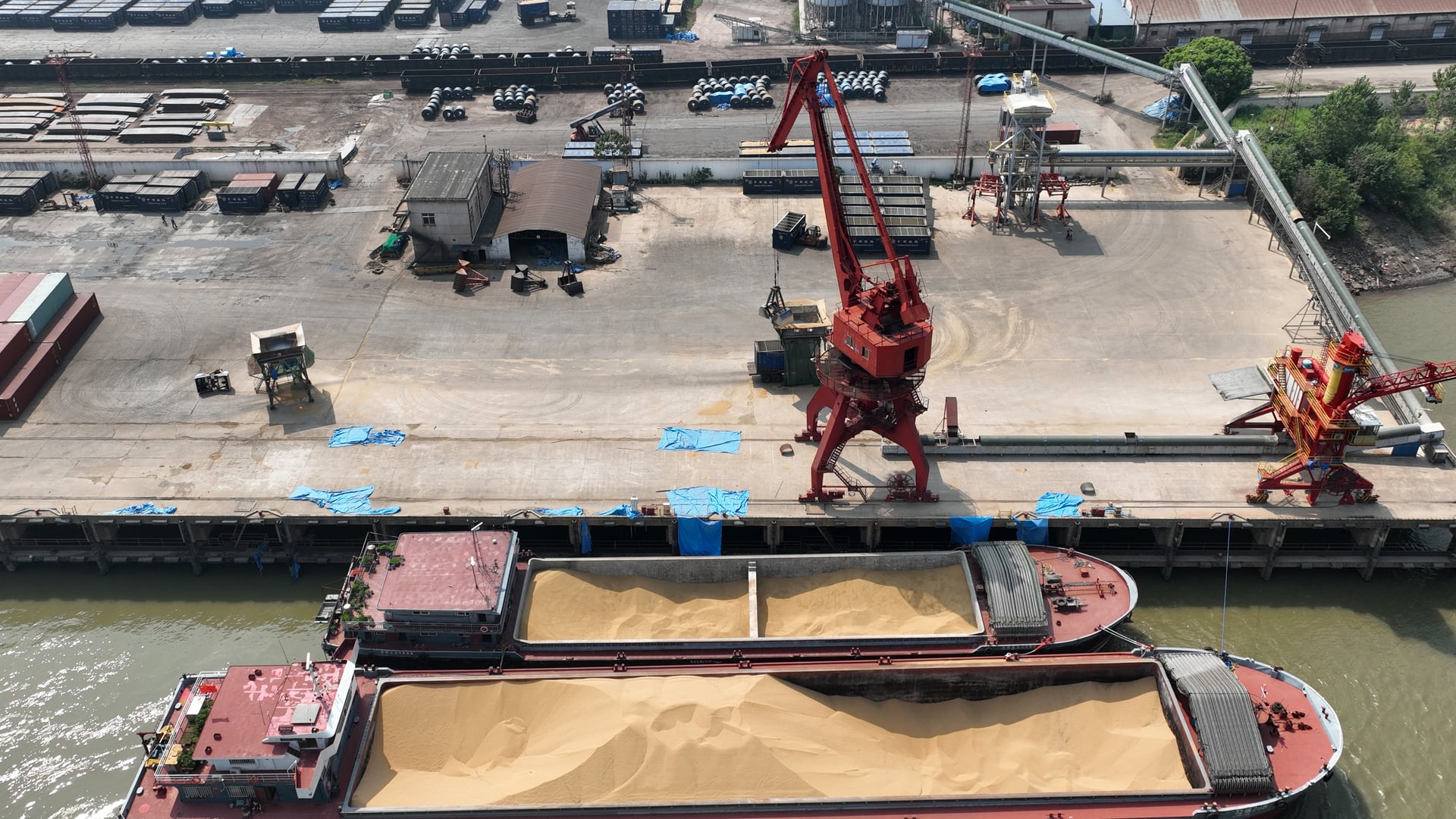
Failure to reopen the maritime corridor within a year could cost Ukraine more than 10% of GDP, around $17 billion in export revenue and $8.5 billion in tax revenue, according to estimates by ICC Ukraine. According to the committee’s calculations, over 30 million tonnes of agricultural produce will not reach global markets, whilst the reduction in foreign exchange earnings will increase pressure on the hryvnia, reserves and the budget.
Briefly about the main points
- ICC Ukraine links the year-long blockade to the risk of losing more than 10% of GDP.
- The committee estimates the shortfall in export revenue at approximately $17 billion.
- More than 30 million tonnes of agricultural produce may not reach global markets.
- Exports in the first half of the year covered around 40% of imports.
- The Danube and overland routes have been described as only a partial alternative.
The trade imbalance is increasing the economy’s dependence on maritime exports
President of the Ukrainian National Committee of the International Chamber of Commerce Volodymyr Shchelkunov notes that attacks on civilian vessels and port infrastructure Since July, the country’s maritime transport has been jeopardised by 90%. In his view, the restrictions on the main export channel are compounding an already significant trade deficit.
According to the data from the State Customs Service cited in this column, Ukraine’s trade turnover in the first half of 2026 amounted to $70.3 billion. Imports totalled $49.3 billion, exports amounted to $21 billion, and the trade deficit reached $28.3 billion.
Imports rose by 28% over the year, whilst exports increased by 5%. Exports covered around 40% of imports; Shchelkunov attributes the further decline in exports to a growing need for foreign currency financing and international aid.
The Danube and the western border cannot fully replace deep-water ports
According to the author, alternative routes have limited capacity and are more expensive. The Danube ports can handle up to 30% of additional maritime cargo, but are mainly suitable for nearby markets and do not serve long-haul destinations, in particular China, East Asia and North Africa.
The article states that large seagoing vessels require a draught of around 19 metres, which Odessa provides. Neighbouring EU ports have a draught of up to 15 metres and are therefore unable to accommodate such vessels. Western border crossings are already overloaded, and logistics via these crossings cost two to three times as much.
The author has calculated that a complete shift of maritime exports to land-based routes would require state compensation of up to $100 per tonne. In his view, under such conditions, this method cannot be an economically viable alternative to shipping.
Rising logistics costs pose risks to the metals and agricultural supply sectors
The port restrictions coincided with an increase in rail freight tariffs on the 30% route from August 2026, according to the column. Shchelkunov proposes that this decision be revoked for the duration of the blockade, as it further increases the cost of alternative transport.
According to his estimates, the cost of ore logistics has doubled, whilst that for pig iron has increased two to three-fold. In some cases, the additional costs already exceed the profit per tonne of output, which means that export contracts may become unprofitable and companies may find themselves on the brink of closure.
The author also links restrictions on maritime exports to risks for food markets. Ukraine accounts for around 6% of global wheat exports, 12% of maize exports and over a third of global trade in sunflower oil, he notes.
ICC Ukraine’s assessment covers foreign exchange earnings, the budget and agricultural exports
The forecast provided by ICC Ukraine outlines the consequences of a year without the corridor being re-established. The largest component of the potential losses is approximately $17 billion in foreign exchange earnings, which, according to the committee’s calculations, the export sector will not receive.
Under this scenario, the budget will fall short of its tax revenue target by approximately $8.5 billion. The Committee attributes the lower foreign exchange receipts to additional pressure on the hryvnia exchange rate and state reserves, and the un-exported agricultural volumes to a supply shortage in foreign markets.
ICC Ukraine estimates the overall macroeconomic impact to be a loss of more than one-tenth of gross domestic product. This is the committee’s own calculation, set out in a column by its president, and not an official forecast.
ICC Ukraine proposes resuming shipping and supporting alternative transit routes
ICC Ukraine states that its main objective is to restore safe shipping and open deep-water ports for the entire range of export goods. This applies not only to agricultural produce, but also to metals, ores, engineering products, building materials and other cargoes.
Among the parallel measures, the columnist proposes supporting the transit of Ukrainian goods through EU ports as part of joint initiatives with partners. He also calls for efforts to secure a reallocation of EU quotas for metal products in Ukraine’s favour — at least in line with actual exports to the EU in 2025.