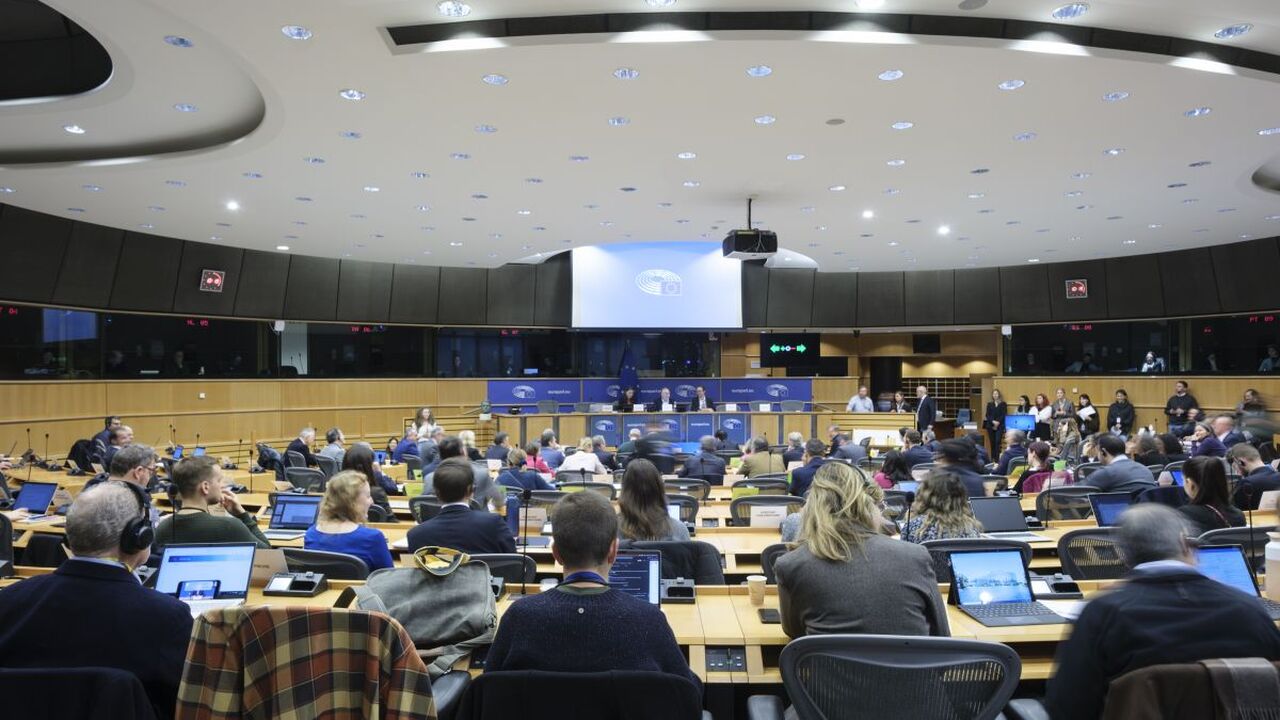
A group from 21 members of the Polish Sejm approached Prime Minister Donald Tusk with a proposal to organise official events in Lviv to mark Poland’s Independence Day, including the Polish Independence March through the city’s streets on 11 November. The parliamentary question was tabled by representatives of PiS, «Confederation», «Confederation of the Polish Crown» and the Rozwój Plus group. The MP is listed as the author of the question Dariusz Matecki. The document was submitted to the Sejm on 28 August.
MPs are calling on Tusk’s government to organise a march in Lviv
In their statement, the MPs claim that the Polish state does not provide sufficient support to Poles living in Ukraine.
At the same time, the authors of the document point out that Polish local authorities and state institutions support Ukrainian organisations and events in Poland, in particular the celebrations marking Ukraine’s Independence Day.
This is precisely the basis on which they are justifying their proposal to hold Polish state celebrations in Lviv.
The document states that the Polish Government should organise the official celebrations of National Independence Day, including the Polish Independence March through the streets of Lviv.
MPs are also asking the government whether it is prepared to:
- to approach the Ukrainian authorities and the authorities in Lviv regarding the organisation of the event;
- to provide organisational and financial support;
- to involve the Polish community in Lviv in the celebrations;
- to ensure the participation of representatives of the Polish authorities.
The initiative was backed by MPs from several right-wing parties
He signed the document 21 MPs.
Among them are representatives of Law and Justice (PiS), Confederation, the Confederation of the Polish Crown and Rozwój Plus. The Polish media mention, in particular, Dariusz Matecki, Michał Moskal, Janusz Kowalski, Grzegorz Placzek, Roman Fritz and Anna Kwiecien.
TVN24 points out that the initiative has brought together politicians from various right-wing political circles — ranging from PiS to the groups associated with Grzegorz Braun, Sławomir Mentzen and Mateusz Morawiecki.
The authors of the appeal feel it is important to emphasise the historical ties between the Polish community and Lviv. They maintain that Polish Independence Day is also relevant to Poles living outside the country.
In Poland, the proposal has already been described as provocative
The initiative provoked a strong reaction from some Polish politicians and experts.
Marek Bernacki, an MP for the Polish Peasants« Party, described the proposal as »madness« and »political nonsense’. In his view, such actions could damage Polish-Ukrainian relations.
TVN24 also quotes the views of interviewees who regard the very idea as a possible political provocation, which could exacerbate tensions between Warsaw and Kyiv. This is merely the view of the initiative’s critics, not an established fact.
Safety is a separate issue. Lviv remains a Ukrainian city in a country at war, which is regularly subjected to Russian missile and drone attacks. The interpellation itself does not contain a detailed security plan for such a march.
No decision has yet been made regarding the march itself
It is important to note that this refers to not about a march that has already been approved or planned, and regarding a parliamentary question addressed to the Prime Minister of Poland.
The mere fact that a request has been submitted does not mean that the Polish Government has agreed to organise the event, or that the Ukrainian or Lviv authorities have granted permission for it to take place.
Poland’s traditional Independence Day March takes place on 11 November in Warsaw and has attracted tens of thousands of participants in recent years. In 2025, according to estimates by Warsaw’s municipal authorities, around 100,000 people took part.
Some Polish right-wing MPs are now proposing to hold a separate event in Lviv as well; however, the future of the initiative will depend on the Polish government’s position and agreement with the Ukrainian side.