Iran will not agree to the full reopening of the Strait of Hormuz until the US has met seven conditions, Parliament Speaker Mohammad Bagher Qalibaf said on 4 October. Foreign Minister Abbas Araghchi said that the plan proposed by Tehran could normalise traffic through the strait within seven days of an agreement being reached. Disruptions to shipping continue to affect the global oil market.
Briefly about the main points
- Tehran has linked the full reopening of the strait to the US fulfilling seven conditions.
- The current official list of all conditions has not been made publicly available.
- Washington conveyed its response to the Iranian plan via Qatari intermediaries.
- The main point of contention concerns the sequence of reciprocal steps.
- Exports from the Gulf States have not returned to their usual levels.
The terms were linked to the June memorandum
Calibaf stated that the US had recently conveyed new proposals to Iran via an intermediary. According to him, Tehran will not agree to either a delay in the process or unilateral demands.
The Speaker linked the seven conditions to the agreements reached by Washington and Tehran in June. This memorandum was intended to form the basis for a cessation of hostilities and the resumption of safe navigation; The White House also stated at the time that the document provided for the restoration of freedom of navigation through the strait.
Reuters has not published the full, up-to-date list of the seven points. In previous rounds of talks, Iranian officials cited compensation for US strikes, an end to threats and hostilities, the lifting of the naval blockade and sanctions, and the unfreezing of Iranian assets. These positions do not constitute a new official list of conditions.
Aragchi stated that Tehran had clearly explained its position to Washington, that it favoured a diplomatic solution but was prepared to respond to any new military action by the US.
Qatar is putting forward proposals, but the parties have not agreed on a course of action
At the end of September, the US conveyed, via Qatari intermediaries, its response to Iran’s seven-day plan to resume shipping. Qatar continues to relay messages between the parties, but there has been no direct breakthrough in the negotiations.
According to Reuters, the key point of disagreement lies not so much in the content of a possible agreement as in the sequence of steps to be taken by Washington and Tehran. Iran is focusing on the operational arrangements Strait of Hormuz, whilst the US is paying close attention to Iran’s nuclear programme.
Flows through the strait are increasing, but the oil market remains tense
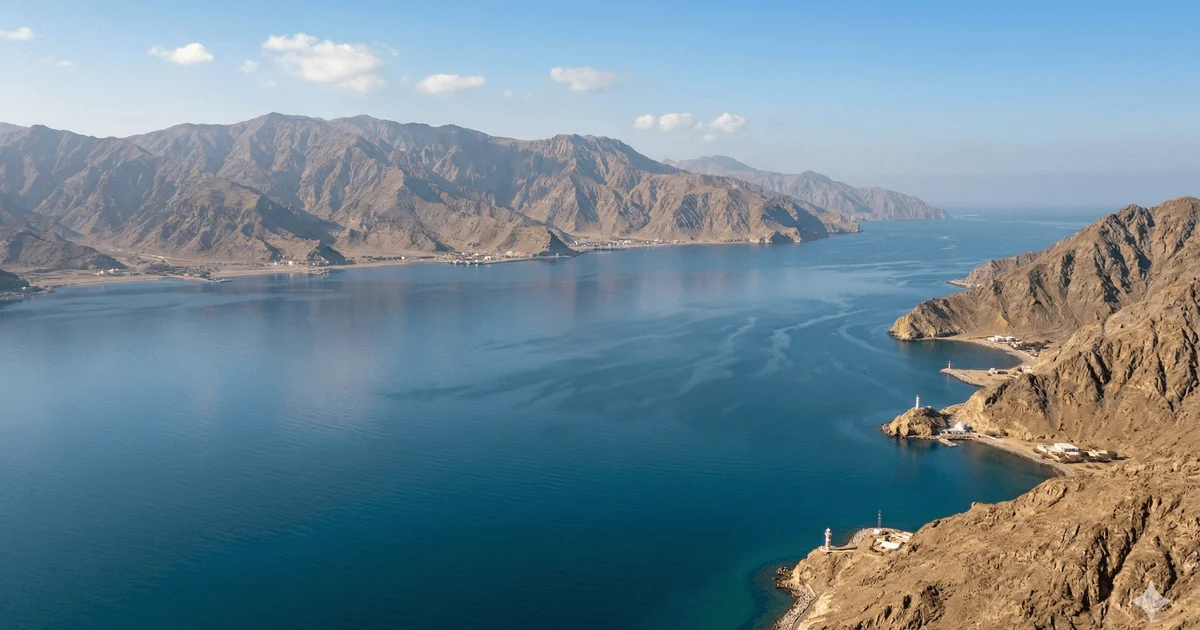
Prior to the current conflict, approximately one-fifth of the world’s seaborne shipments of oil and liquefied natural gas passed through the Strait of Hormuz. The reference to its «closure» does not imply a complete halt to traffic: Reuters reported on 4 October that traffic volumes had been increasing recently.
At the same time, exports from the Gulf states remain at around 60–80% of normal levels. Against the backdrop of supply disruptions, Brent crude is trading at over $100 per barrel, whereas before the war began in late February, its price stood at around $73.
There is as yet no agreement on the full normalisation of shipping. Further progress depends on whether the parties can, through intermediaries, agree on the procedure for taking reciprocal steps.