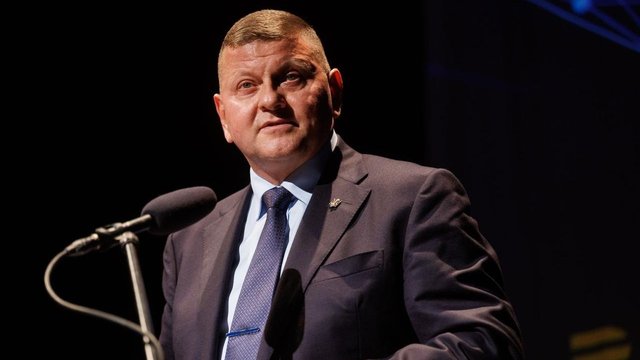
Valeriy Zaluzhny, Ukraine’s Ambassador to the United Kingdom, stated that easing sanctions against Russia could encourage further aggression and lead to an escalation beyond Ukraine’s borders. Against this backdrop, the British government has confirmed that it will continue to provide assistance to Kyiv and maintain a strict sanctions regime, whilst the US has authorised certain transactions involving Russian diesel fuel.
Briefly about the main points
- Zaluzhny linked economic concessions to Moscow with the risk of an escalation of the aggression.
- Britain will continue to provide military and financial support to Ukraine.
- OFAC has authorised certain transactions involving diesel of Russian origin until April 2027.
- The US exemption does not mean that sanctions against Russia have been completely lifted.
- London has added 38 entities and associated sites to its sanctions list.
Zaluzhny linked Moscow’s actions to the continuation of its aggression
Involved On 10 October, he wrote on Facebook that the UK understands the strategic risks associated with Russia’s actions and the possible easing of sanctions against it. He thanked the British leadership and the British people for their solidarity with Ukraine during the full-scale war.
According to the ambassador, easing economic pressure will create opportunities for Kremlin conditions for further aggression. He stated that agreements with the aggressor, at the cost of Ukrainian lives, could «spark an even bigger war», and that the consequences of such decisions could pose a threat to other European states.
The British Government has announced support for Kyiv and diplomatic contacts
In a statement dated 10 October, the UK Government announced that it would continue to provide Ukraine with the military and financial assistance necessary to defend itself against Russian aggression. London also intends to work with international partners to achieve a just and lasting peace.
The British side noted that Ukraine had repeatedly demonstrated its willingness to seek a peaceful settlement. At the same time, according to the government’s assessment, Russia had rejected proposals for a full or partial ceasefire and continued to shell Ukrainian towns and energy infrastructure.
London supports international diplomatic efforts, including the negotiation process involving the US, and continues to maintain contact with Kyiv and its allies.
The US licence covers certain diesel-related operations
On 9 October, the Office of Foreign Assets Control (OFAC) of the US Department of the Treasury issued General Licence No. 135. It authorises the sale, shipment, unloading and import of diesel fuel of Russian origin, including into the United States.
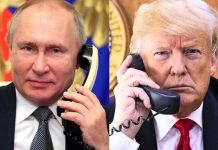
The document will remain in force until 7 April 2027 and provides for a temporary exemption for certain transactions, rather than a complete lifting of US sanctions against Russia. Donald Trump announced an agreement with Vladimir Putin regarding the increase in supplies of Russian diesel to the US and global markets; Washington explained the decision as an effort to bring down fuel prices.
Volodymyr Zelenskyy criticised the agreement in comments to Reuters. He stated that additional revenue from the export of petroleum products could provide Russia with the resources to continue the war, and described the easing of restrictions as a weak decision by strong partners.
London has extended sanctions against the Russian oil sector
On 8 October, the UK imposed 38 new sanctions against entities which, according to London, are linked to the financing of the Russian war. The list includes the oil companies Zarubezhneft and INK Capital, 12 tankers from the «shadow fleet», cryptocurrency exchanges, payment platforms and suppliers of goods to the Russian military-industrial complex.
According to the British government, the country’s sanctions regime covers more than 90% Russian oil production facilities, whilst the number of sanctioned «shadow fleet» tankers has exceeded 600. London is seeking to reduce Russia’s oil revenues, make it more difficult to circumvent financial restrictions and block the supply of equipment for the production of missiles and drones.