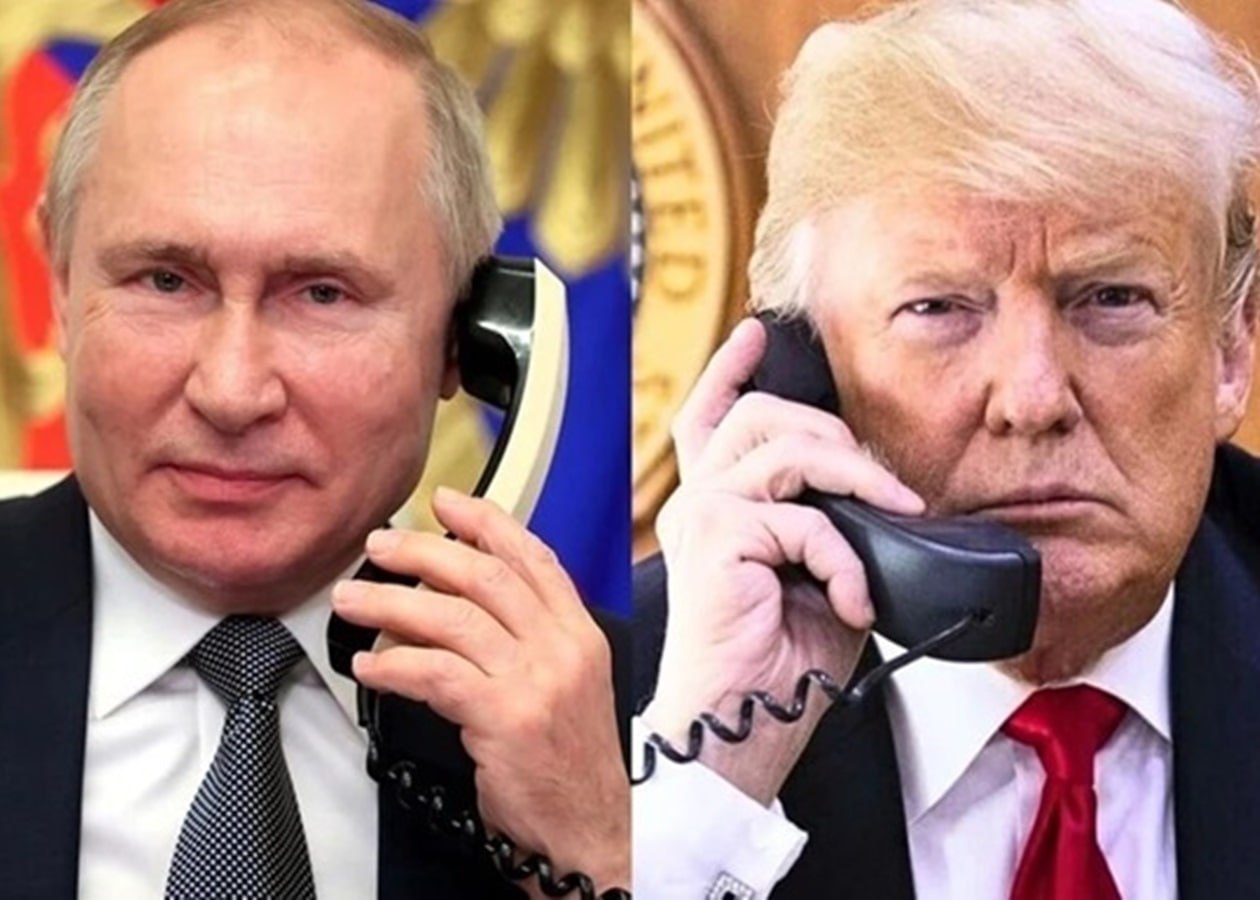
Donald Trump and Vladimir Putin discussed Russia’s war against Ukraine during a telephone conversation; however, the Kremlin did not state that Moscow was prepared to resume trilateral talks immediately. Instead, the US President announced an agreement to increase exports of Russian diesel fuel to the US and global markets.
Briefly about the main points
- The Kremlin described the conversation between Trump and Putin as friendly and lengthy.
- Moscow has not confirmed that it is prepared to return to the trilateral talks immediately.
- Ushakov stated that Trump would convey Russia’s position to the Ukrainian delegation in Miami.
- Trump has announced a phased increase in exports of Russian diesel.
- Zelenskyy criticised the temporary easing of restrictions on fuel transactions with Russia.
The Kremlin described the atmosphere of the call based on Ushakov’s account
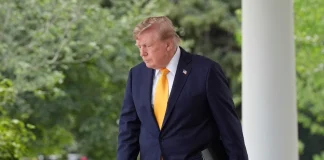
The telephone conversation took place on the evening of 9 October and lasted an hour and a half. An aide to the Russian president Yuriy Ushakov He described it as a friendly conversation and said that both parties had ended the call at the same time, as neither wanted to be the first to hang up.
According to Ushakov, preparations for the meeting began on 7 October, and Putin He rang after returning from Turkmenistan. He also claimed that Trump was prepared to continue the conversation in the evening, at night or the following day. The description of the atmosphere and the details of how the call ended come from the Russian side; the US administration has not separately confirmed this.
Moscow has not specified a timeframe for returning to the negotiation process
According to the Kremlin, the main topic of discussion was the possible resolution of the Russian-Ukrainian war. Putin did not confirm his willingness to resume negotiations immediately involving Ukraine, the US and Russia, whilst Ushakov said that Moscow would determine the timing of a possible return to the talks itself.
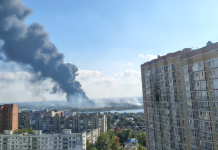
Putin accused Ukraine of derailing a potential negotiation process through its strikes drones over Moscow and other Russian facilities during the September parliamentary elections in the Russian Federation. This is Moscow’s position, not the established reason for the lack of agreements.
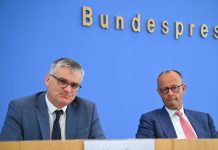
Ushakov stated that Trump had agreed to convey Russia’s position to the Ukrainian delegation, which was in Miami. Reuters reported that on that day, representatives from the US, Ukraine and European countries were working there on joint proposals for a possible settlement.
Trump has announced a phased increase in diesel supplies
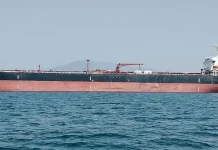
Following the conversation, Trump posted on Truth Social that Russia had agreed to increase its exports of diesel fuel to the US and global markets. He linked the agreement to efforts to reduce fuel prices in the US.
According to the plan, over 300,000 tonnes are due to be delivered in the near future, with a further 500,000 tonnes in November, followed by 1 million tonnes. An additional volume of up to 3 million tonnes will depend on the condition of Russian oil refineries.
The US Department of the Treasury has issued a temporary licence for certain transactions involving a Russian diesel engine. This does not mean that sanctions against the Russian Federation’s energy sector have been completely lifted; the volumes announced are plans, not confirmation of deliveries that have already taken place.
Zelenskyy described the easing of restrictions as a weak decision
President of Ukraine Volodymyr Zelenskyy criticised the report on the agreement between Washington and Moscow. He described the easing of sanctions as a weak decision that could provide Russia with additional financial resources to continue the war.
The Ukrainian side has repeatedly pointed out that the Russian Federation’s revenue from the sale of energy resources is one of the sources of funding for its military expenditure. Washington’s decision has also been criticised by some American politicians and Ukraine’s European partners.
At the same time, Moscow continues to make territorial claims over four Ukrainian regions which it has unlawfully declared to be its own, even though it does not exercise full control over them.