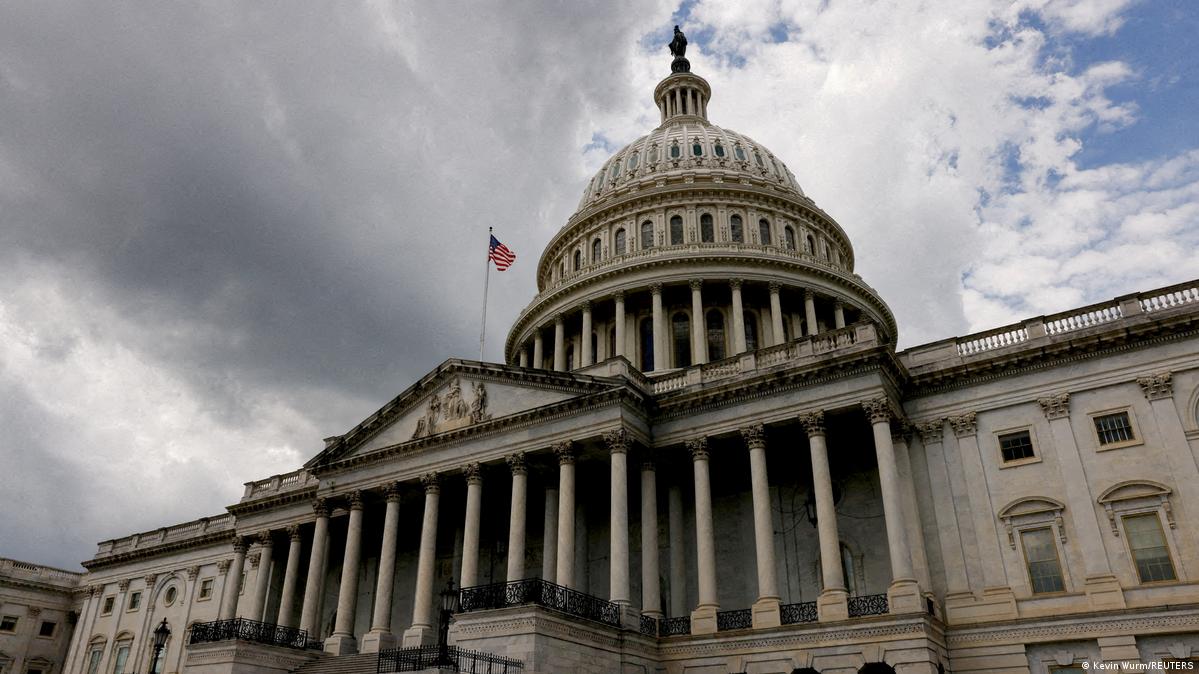
On 10 October, Republican Brian Fitzpatrick announced that he plans to introduce a cross-party bill, the Ronald Reagan Peace Through Strength Act, which would ban the purchase of Russian oil. The bill’s reference number, text and date of introduction have not yet been made public.
Briefly about the main points
- Fitzpatrick has announced a bill to ban the purchase of Russian oil.
- The MP wants to push the issue through by means of a discharge petition.
- A petition requires at least 218 signatures from Members of the House.
- It is not known whether the ban will extend to Russian diesel.
They want to promote the initiative through a special petition
Fitzpatrick stated that he would seek to have the initiative considered in the House of Representatives via discharge petition — a procedure which, provided certain conditions are met, can remove a bill from being blocked in a committee or by the chamber’s leadership.
To do this, at least 218 signatures must be collected, i.e. a majority of the full membership of the House of Representatives. However, such a petition does not guarantee an immediate vote: once a bill has been tabled, procedural deadlines and further stages of consideration apply.
- According to Axios, the Republican Don Bacon agreed to sign the petition.
- The names of the Democrats who may become co-authors have not been publicly disclosed.
- The details of the restrictions on the purchase of Russian oil are not yet known.
The announcement came following Trump’s statement about Russian diesel
Fitzpatrick’s initiative came about after 9 October Donald Trump announced an agreement with Vladimir Putin regarding the supply of Russian diesel fuel to the US and the global market. The discussions centred on an immediate supply of over 300,000 tonnes, with further consignments to follow.
Diesel is a petroleum product, whereas Fitzpatrick refers to the purchase of Russian oil in his statement. As the text of the forthcoming bill is not publicly available, it is not known whether the proposed ban will cover diesel and other petroleum products.
Support for the initiative and its content remain unknown
Fitzpatrick described the forthcoming document as bipartisan, although no names of Democratic co-authors had been confirmed at the time of the statement. Nor have the terms of the agreement on diesel supplies, which Trump had mentioned, been made public.
Until the legislative text is published, it is not possible to determine the specific mechanism for the ban or the list of products to which it will apply. And until the required number of signatures has been collected, it remains unclear whether the initiative will reach a vote in the House of Representatives.