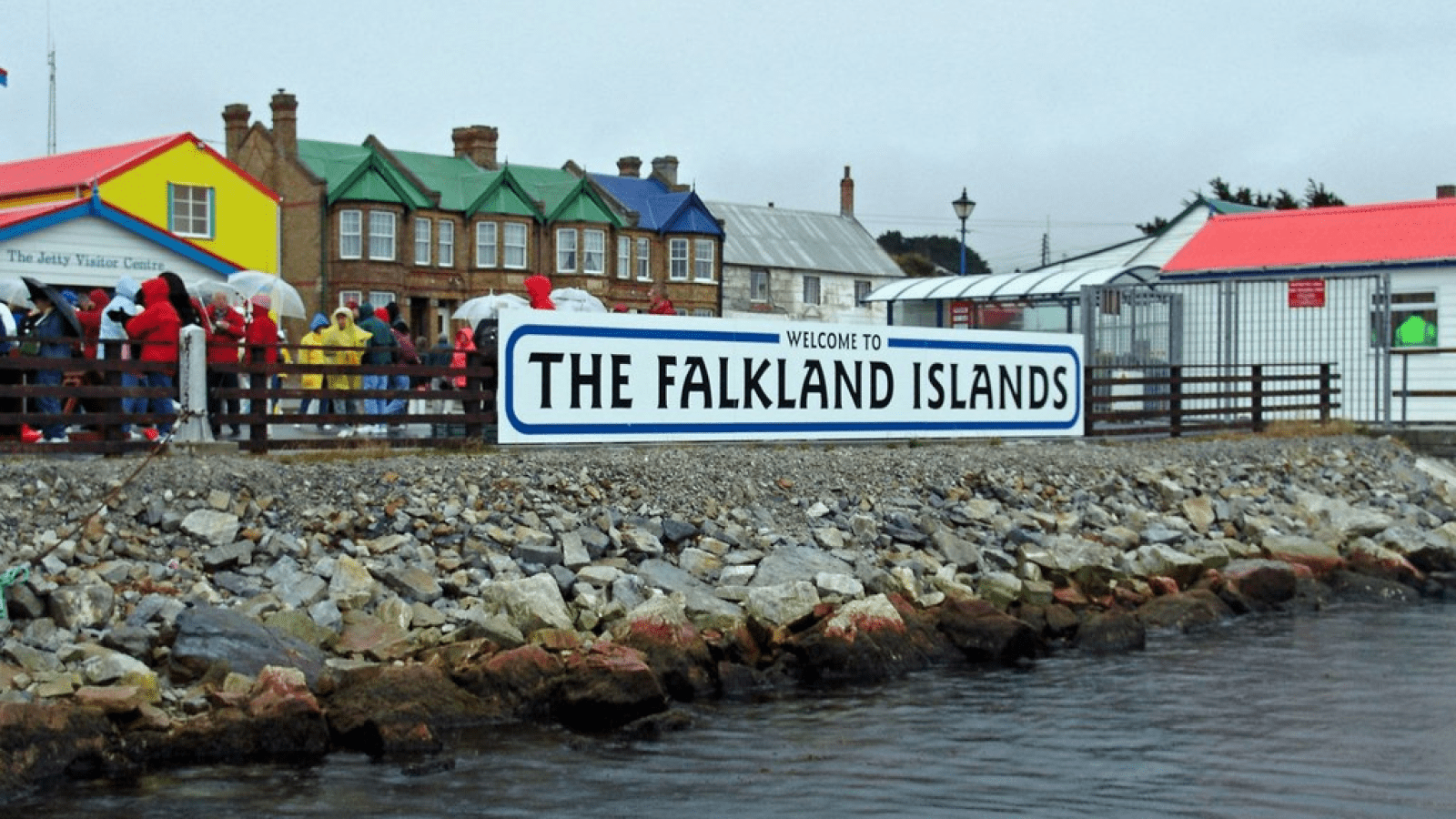
The UK has conducted large-scale military exercises in the Falkland Islands, during which paratroopers practised a scenario for retaking the archipelago in the event of a new Argentine invasion. According to The Times, around 150 British servicemen and 100 local reservists took part in the six-day ‘Cape Upholder’ manoeuvres. They simulated an amphibious landing operation, undertook a night march of approximately 32 kilometres and practised combat in challenging mountainous terrain. The exercises took place against the backdrop of an escalating dispute between London and Buenos Aires over sovereignty of the islands and the development of oil fields in their vicinity.
- The British military conducted the six-day ‘Cape Upholder’ exercise in the Falkland Islands.
- Around 150 paratroopers and 100 local reservists took part in the manoeuvres.
- The troops practised an amphibious landing and a 32-kilometre night march.
- The exercise scenario recreated the British operation to liberate the islands in 1982.
- Argentinian President Javier Milei has once again asserted his country’s claim to the archipelago.
British paratroopers carried out a re-enactment of the 1982 operation
According to The Times, the exercises involved service personnel from the 2nd Battalion of the British Army’s Parachute Regiment and reservists from the Falkland Islands Defence Force.
The military were practising a scenario similar to Operation Sutton, during which British forces landed on the islands in May 1982 to retake them following the Argentine invasion.
The recent manoeuvres comprised several stages:
-
a simulated amphibious landing operation involving a beach landing;
-
a 20-mile night march, or approximately 32 kilometres;
-
close-quarters combat in difficult, rocky terrain;
-
carrying out tasks whilst taking into account contemporary threats, in particular drones and cyber operations.
The training lasted six days. Its aim was to test the military personnel’s readiness to operate in conditions typical of a remote South Atlantic archipelago.
The British Army maintains a permanent military presence on the islands, where Eurofighter Typhoon fighter jets are also stationed.
Miley has stated his intention to return the Falkland Islands to Argentina
Tensions between the UK and Argentina escalated following further statements by the president Javier Milei regarding the sovereignty of the Falkland Islands, which Argentina refers to as the Malvinas.
During his address to the UN General Assembly on 23 September Miley described the return of the islands as a matter of national importance and called on London to resume negotiations on sovereignty.
The Argentine President has stated that his country will no longer wait idly for decisions from international organisations and is prepared to take measures on its own to defend its claims.
At the same time, Milei explicitly emphasised that Argentina is opting for peaceful, practical and effective means of resolving the dispute. There is no evidence to suggest that he specifically threatened a new military invasion.
The British Government, for its part, has stated its readiness to defend the islands and the right of their inhabitants to determine their own future.
Oil has become a new source of conflict between countries
The dispute has escalated over plans to develop the Sea Lion oil field, located north of the Falkland Islands.
Argentina regards oil extraction in this area as a violation of its sovereign rights and is seeking to restrict the activities of the companies involved in the project.
On 13 October, Buenos Aires applied to the International Tribunal for the Law of the Sea, requesting that development of the field be suspended.
The United Kingdom has rejected Argentina’s claims and emphasised that the existing extraction licences remain valid.
The Sea Lion project is being developed by Navitas Petroleum and Rockhopper Exploration.
Against the backdrop of this dispute, London has also spoken out against Argentina’s attempts to secure the international prosecution of those involved in the oil project.
How the UK regained the Falkland Islands in 1982
The Falkland Islands have been the subject of a territorial dispute between the United Kingdom and Argentina since the 19th century.
On 2 April 1982, Argentine troops landed on the archipelago and captured its administrative centre, Port Stanley.
In response, London dispatched a naval task force to the South Atlantic to regain control of the territory.
On 21 May, British troops launched a large-scale amphibious operation in the San Carlos area.
After several weeks of fighting, on 14 June 1982, the Argentine garrison surrendered and the United Kingdom regained control of the islands.
In March 2013, a referendum was held in the Falkland Islands, during which 99.8% of the voters who took part in the ballot supported retaining the status of a British Overseas Territory.
Argentina does not recognise this referendum as a basis for resolving the territorial dispute.
The current military exercises demonstrate the British forces’ readiness to practise a scenario involving the defence and recapture of the archipelago. At the same time, there is no information to suggest that Argentina is preparing a new military invasion.