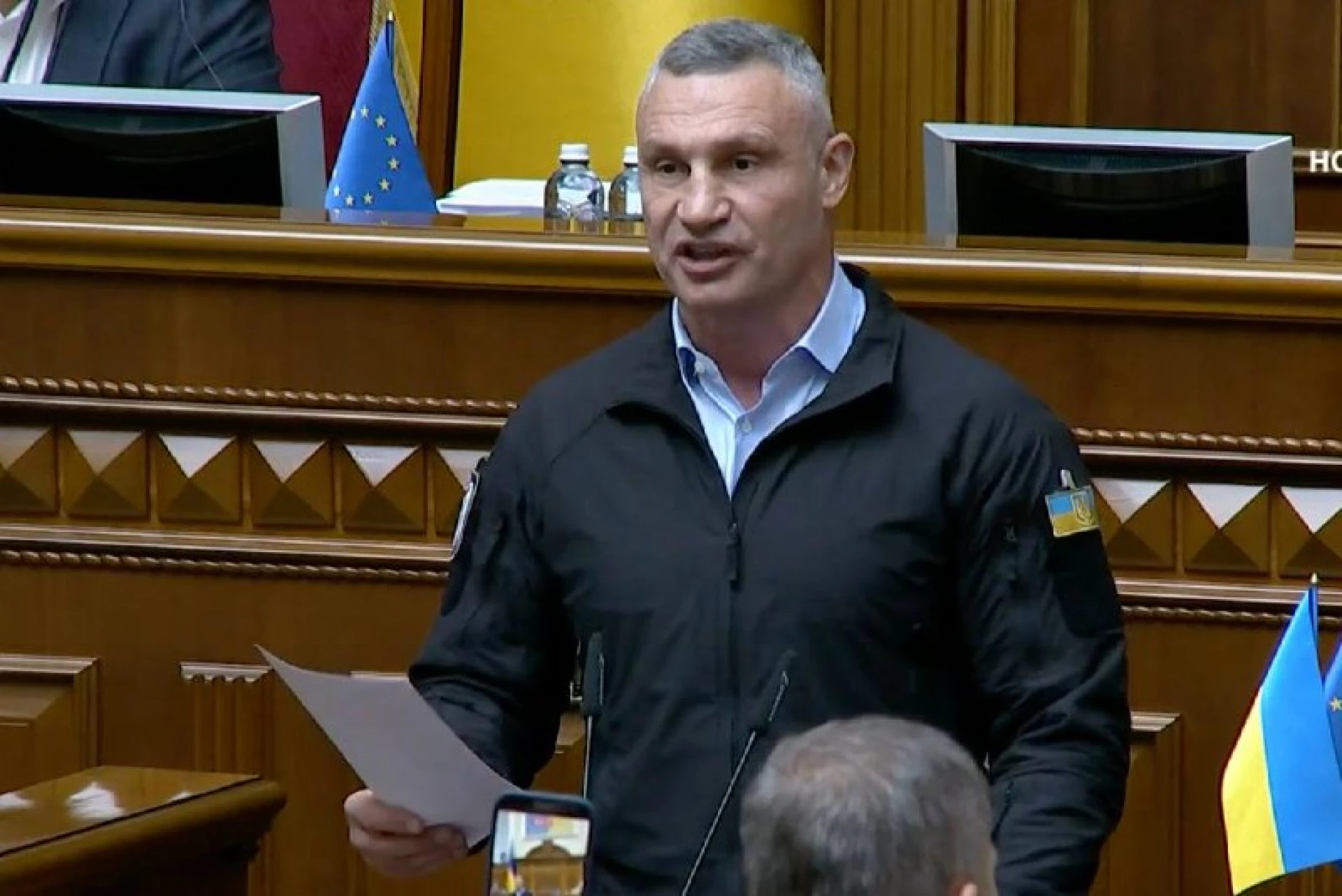
On 14 October, the Mayor of Kyiv, Vitali Klitschko, addressed the Verkhovna Rada, where he raised the issues of the capital’s air defence, the protection of Ukrenergo facilities and the effective use of funds for critical infrastructure. He also spoke of payments for municipal energy resilience projects being blocked and political pressure being exerted on local authority leaders.
Briefly about the main points
- Klitschko briefed the Rada on the situation in Kyiv and preparations for winter.
- The mayor called for comprehensive responsibility for air defence and the protection of energy infrastructure.
- He stated that the suspension of payments had brought some of the city’s projects to a standstill.
- Since the start of the year, Kyiv has suffered almost 50 attacks on energy infrastructure.
- Disagreements between the central and local authorities regarding energy sustainability persist.
Issues relating to air defence, energy and the responsibilities of the central government
The mayor’s address took place after he was summoned to Parliament to report on the situation in the capital and preparations for the heating season. Klitschko He said that Kyiv had been under constant Russian attack for two months, whilst the city’s services were simultaneously repairing the damaged infrastructure and keeping the city functioning.
He dismissed the allegations regarding the capital’s inadequate preparations for winter and emphasised that the defence of the city is not solely the responsibility of the local authority. The mayor addressed the councillors with questions regarding AIR DEFENCE, the protection of energy facilities and the funds allocated for the security of critical infrastructure.
Klitschko did not provide any financial calculations to substantiate the claim that these funds had been misused. His comments related to the effectiveness of the protective measures and the allocation of responsibility for their implementation.
The mayor’s statements regarding suspended projects and pressure on local communities
Klitschko He stated that numerous projects in Kyiv aimed at strengthening energy resilience had been put on hold due to the blocking of payments. According to him, similar problems are also arising in other Ukrainian communities.
As chairman of the Association of Ukrainian Cities, he also spoke of political pressure being exerted on local government leaders. The mayor claims that certain community leaders are being removed from office on trumped-up charges, whilst criminal proceedings are being used to intimidate them.
These statements reflect Klitschko’s position. During his parliamentary speech, no findings from the relevant authorities regarding systematic unlawful pressure on communities were presented.
The mayor provided figures on the attacks and Kyiv’s backup equipment
According to Klitschko, since the start of 2026, Russian forces have carried out nearly 50 missile and drone strikes on Kyiv’s energy infrastructure. By way of comparison, he cited 12 strikes in 2022, seven in 2023, none in 2024 and 19 in 2025.
The mayor announced that the city had implemented the priority measures set out in the energy resilience plan. Kyiv has prepared nearly 700 generators of various capacities, 70 mobile boiler houses and three diesel power stations. Hospitals have been provided with 480 generators, whilst over 6,000 units of backup power equipment have been purchased for the housing stock.
According to Klitschko, the latest attacks have damaged key energy infrastructure in Kyiv and the surrounding region.
The parliamentary hearing took place against a backdrop of supply problems
On 13 October, the Verkhovna Rada backed a proposal by a Member of Parliament Mariana Bezuhla To summon Klitschko to give a statement: 151 councillors voted in favour of the motion, whilst eight voted against. The mayor’s hearing took place against a backdrop of disruptions to electricity, water and heating supplies following Russian shelling.
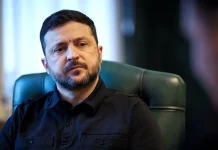
On the eve of the presidential election Volodymyr Zelenskyy He stated that Kyiv was lagging behind even a number of border and frontline regions in implementing its resilience plans. He announced the start of consultations on urgent administrative and security decisions for the capital.
Klitschko has rejected accusations that he has derailed preparations for winter. As of 14 October, the central and city authorities have significant differences regarding the implementation of the energy resilience plan and the allocation of responsibilities; further decisions are to be taken by the government, the relevant agencies and the city authorities.