For the second day running, Ukraine has faced a lack of advance warnings regarding individual launches of Russian ballistic missiles. According to CBS News, the US side attributed one such incident to adverse weather conditions. At the same time, monitoring channels have reported possible difficulties in detecting missiles launched from S-400 systems and have warned of the risk of similar situations recurring.
- Ukraine has twice faced a lack of advance warning of Russian ballistic missile launches.
- The US attributed one of the incidents to adverse weather conditions.
- Monitoring channels suggest that the problem may relate to the detection of missile launches from S-400 systems.
- The Air Force confirmed that warnings had been received from partners during the three subsequent waves of the attack.
Russia may have employed a new tactic for missile strikes
According to Ukrainian monitoring channels, Russian forces may have once again employed the tactic of firing missiles from S-400 air defence systems in adverse weather conditions. The authors of the reports claim that the specific flight path of such missiles makes it difficult for American early-warning systems to detect them in good time.
In particular, it has been suggested that US satellite surveillance systems failed for the second time to detect the launches in good time, with the result that the Ukrainian side did not receive any information until the missiles were approaching their targets.
At the same time, these claims regarding the technical causes of the delay have not been officially confirmed. There is currently no publicly available data to determine whether the problem is in fact linked to the weather, the missiles’ performance or the operation of the detection systems.
The US attributed the lack of warnings to bad weather
On 14 October, the American television channel CBS News reported, citing several sources familiar with the situation, that The US may have deliberately withheld advance information about Russian missile strikes from Ukraine.
According to the journalists’ sources, the American representatives explained to the Ukrainian side that the lack of warning was due to the missile launch detection system failing to operate because of bad weather.
However, Ukrainian officials who spoke to CBS News on condition of anonymity expressed doubts about this explanation.
Monitoring channels are also reporting that American experts are already working to resolve the issues, but cannot guarantee that similar incidents will not recur in the near future.
According to the Ukrainian Air Force
Head of the Communications Department of the Ukrainian Air Force Command Yuriy Ignat On 14 October, he confirmed that during the first wave of the Russian night-time attack, Ukraine had not received any advance warning from its partners regarding the use of ballistic missiles.
According to him, at around 10.40 pm, the Ukrainian military reported that they had no relevant information. At the same time, Ignat clarified that warnings had already been received from partners during the three subsequent waves of missile strikes.
This means that the claim that the transfer of data on ballistic missile launches to Ukraine has ceased entirely is not supported by official information from the Air Force.
A similar situation arose on 12 October, when Russian forces attacked Kyiv with five missiles travelling along a ballistic trajectory. On that occasion, Ukrainian radar systems detected the missiles whilst the attack was already underway.
Massive attack on 14 October: Russia fired 39 missiles
On the night of 14 October, Russian troops carried out a large-scale combined attack across Ukraine, using 39 missiles travelling along ballistic trajectories and 128 drones.
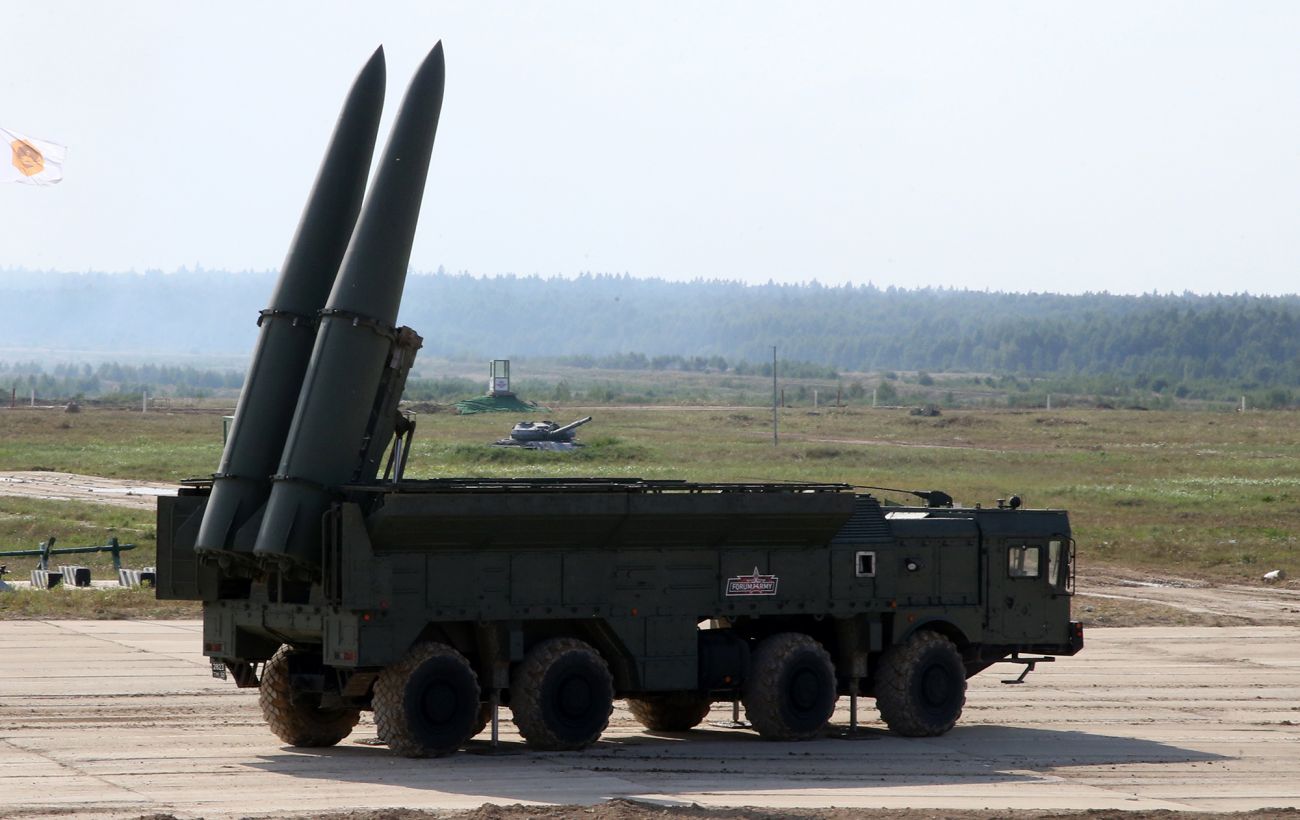
According to the Air Force, the enemy used Iskander-M, KN-23, S-400, Zircon and Onyx missiles. The main targets of the attack were Kyiv, the Kyiv region and the Kharkiv region.
Ukrainian air defences shot down or intercepted four missiles and 115 drones. A significant proportion of the attacks were directed at energy infrastructure facilities.
As a result of the Russian attacks, people have been killed and residential buildings and energy infrastructure have been damaged. Hundreds of thousands of customers have been left without electricity.
Could the US have deliberately restricted the sharing of intelligence?
Against the backdrop of two instances where no advance warnings were given, speculation has arisen that the US administration may have deliberately restricted the sharing of information with Ukraine regarding Russian missile launches.
CBS News had previously reported that the US President’s administration Donald Trump threatened to halt the exchange of intelligence if Ukraine did not stop long-range strikes on Russian energy infrastructure. At the same time, Trump himself denied that intelligence cooperation with Ukraine had been suspended. Sources at CBS News also emphasise that, overall, the exchange of information between the two countries is continuing.
Consequently, there is currently no confirmed evidence that the US side deliberately disabled the early-warning system or blocked the transmission of data on specific launches.
The reasons for the delays remain unclear. At the same time, the lack of advance warning of incoming ballistic missiles poses an additional threat to the civilian population, as the time available to react once an alert has been issued may be extremely limited.