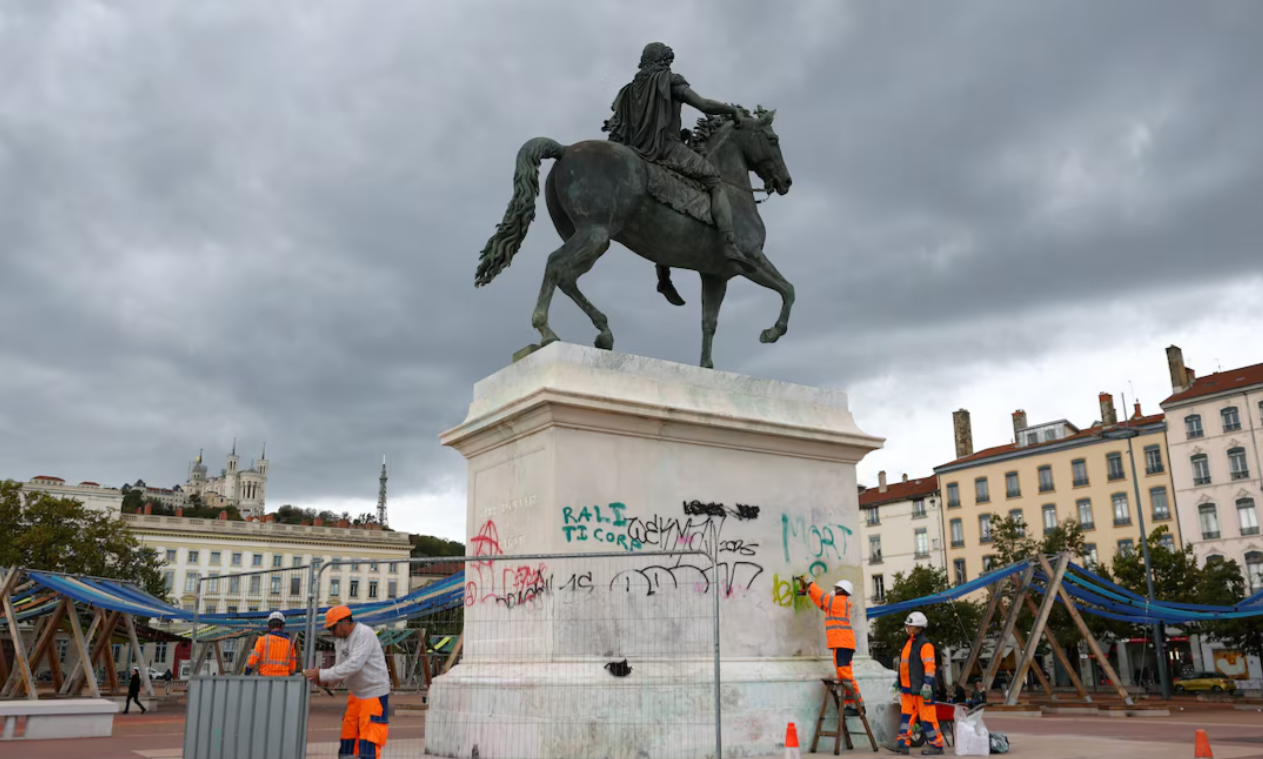
On 24 October, France mobilised around 70,000 police officers and gendarmes to maintain order during a new wave of nationwide protests. The authorities fear a repeat of the unrest on 17 October, when around 3,000 shops were vandalised or looted in various cities across the country. In Paris, the Louvre and other major museums were closed, some demonstrations were banned, and special units were deployed onto the streets. Reuters reported on the large-scale operation, citing French Interior Minister Laurent Nunes.
Briefly about the main points
- On 24 October, 70,000 police officers and gendarmes were mobilised in France due to a new wave of protests.
- Special forces, armoured vehicles, helicopters and water cannons were deployed to maintain order.
- The Louvre, the Musée d’Orsay and other cultural institutions have been closed in Paris.
- During the riots on 17 October in France, around 3,000 shops were damaged or looted.
- Demonstrations have been restricted in a number of towns, prompting criticism from trade unions and human rights campaigners.
France has deployed 70,000 law enforcement officers onto the streets
French Minister of the Interior Laurent Núñez On 23 October, he announced a large-scale operation to maintain public order ahead of Saturday’s protests.
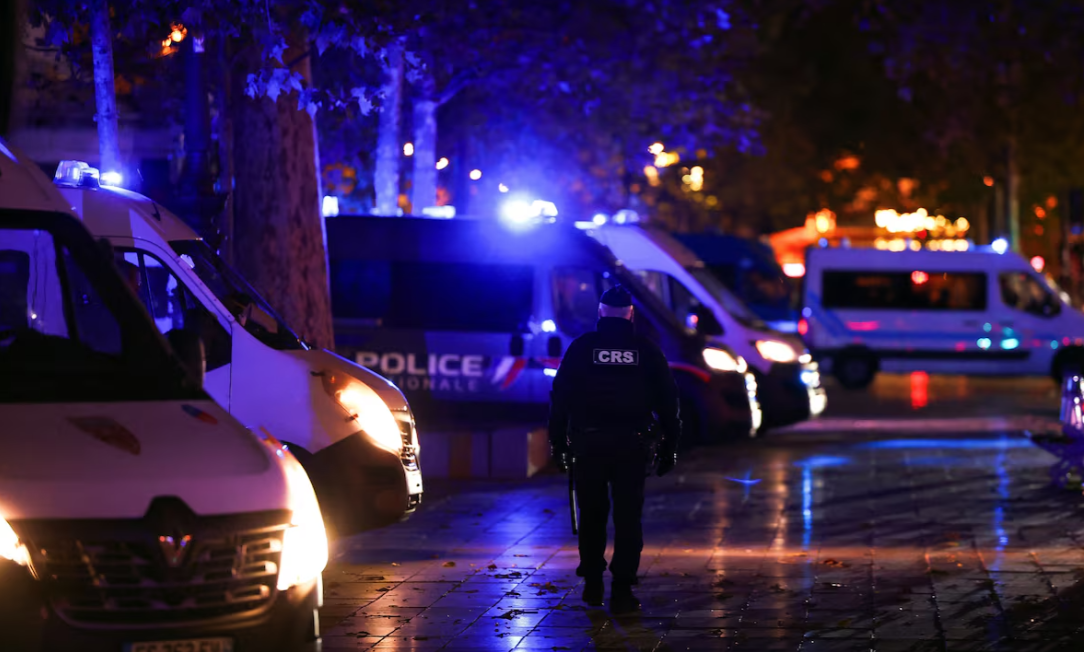
10,000 more law enforcement officers have been deployed to patrol the streets than during previous mass demonstrations. In addition to regular police officers and gendarmes, elite special units, mounted police and mobile rapid-response teams will be operating in the cities.
Security forces will also deploy helicopters, drones, anti-drone equipment, armoured vehicles and water cannons.
Núñez stated that the police would respond firmly to pogroms, looting and attacks on government buildings. According to him, calls for violence had been identified on social media, which the minister linked to members of far-left movements.
Why have mass protests broken out in France?
The current wave of protests It began in September with protests by French school pupils, who were calling for increased funding for education, a solution to the teacher shortage and better learning conditions.
Students, workers and trade unions subsequently joined the protest movement. Among the main causes of discontent were the rising cost of living, high fuel prices and problems with public services.
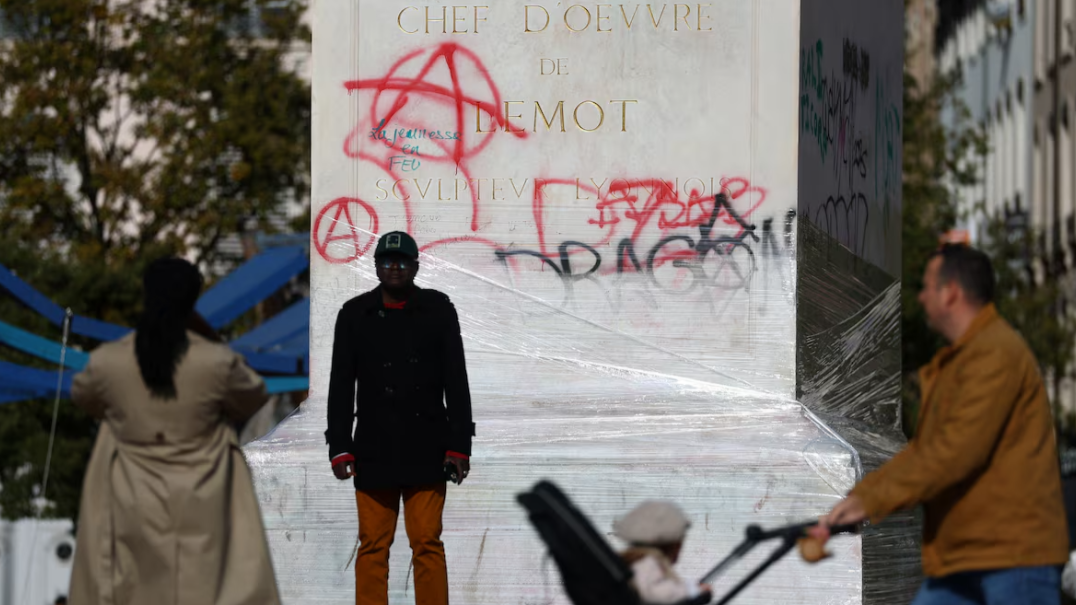
On 17 October, large-scale demonstrations in Paris, Marseille, Lyon and other cities were accompanied by clashes with the police, cars being set alight, the destruction of public buildings and the looting of shops.
According to the French government, more than 3,000 shops and businesses were damaged or looted at that time. The police have arrested thousands of people, and some of the suspects have already been convicted.
President Emmanuel Macron He held meetings with representatives of the security forces and met with representatives of school pupils. At the same time, pupils’ organisations called for the protests to continue until specific decisions were taken regarding their demands.
The Louvre and the Musée d’Orsay have been closed in Paris
Fearing further unrest, the French capital’s major cultural institutions announced they would close on 24 October.
These include the Louvre, the Musée d’Orsay, the Musée de l’Orangerie, the Musée National Picasso, as well as a number of private exhibition spaces.
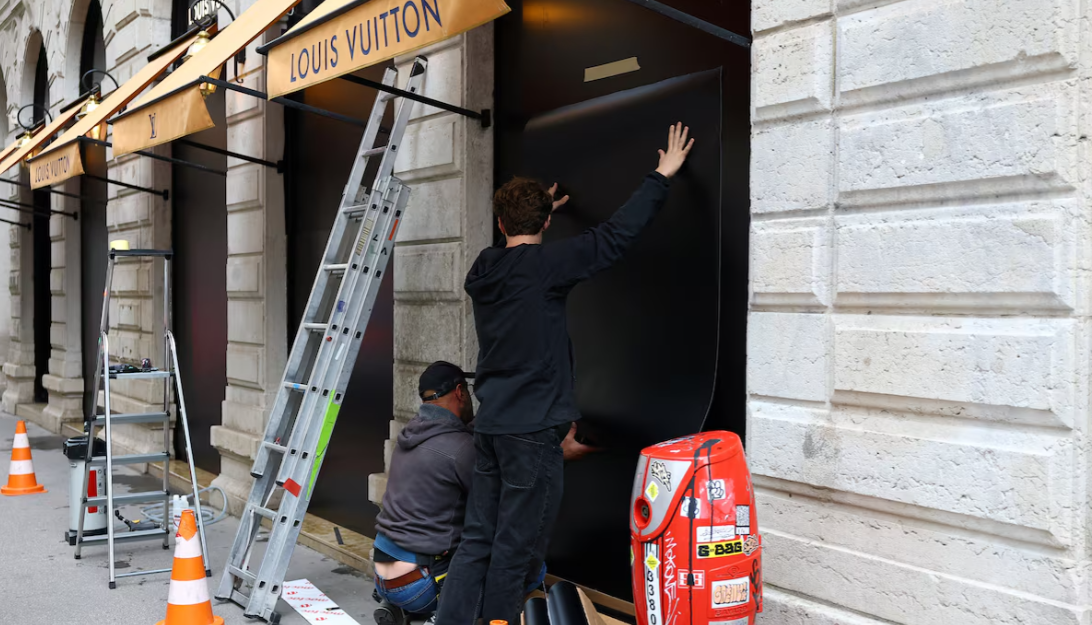
Organisers of cultural events have also adjusted their programmes. Some shops in central Paris have decided to close temporarily, whilst shopkeepers have installed protective barriers in their shop windows.
Due to security restrictions, the French Football League has rescheduled the match between Paris Saint-Germain and Lyon from 25 to 26 October.
Meanwhile, the US National Football League match between the Pittsburgh Steelers and the New Orleans Saints, scheduled for Sunday in the suburbs of Paris, remains on the fixture list for the time being.
Demonstrations have been banned in a number of French towns and cities
The French authorities have introduced temporary restrictions on mass gatherings in several cities.
In Paris, the police approved only a limited route for the trade union march. Applications to hold separate demonstrations by the student organisation UNEF and the «Yellow Vests» movement were rejected.
In Lyon, demonstrations have been banned on a large section of the city centre’s streets. In Marseille, by contrast, following a review of the previous decision, a trade union rally has been authorised.
The restrictions have drawn criticism from trade unions and human rights organisations, which emphasise the need to safeguard citizens’ right to peaceful assembly.
There are fears in France of clashes during the Le Pen party conference
An additional challenge for the police was the congress of the right-wing party «National Union», scheduled to take place in Orléans at the weekend.
At the same time, left-wing and anti-racist organisations have announced counter-demonstrations. According to local authorities’ estimates, between 20,000 and 30,000 people may take part in the protests against the congress.
The police have stepped up security measures and restricted some demonstrations in the city centre.
The situation remains tense in the run-up to the 2027 presidential election in France. Meanwhile, trade unions continue to demand that the authorities address the social and economic issues that have sparked the protests.