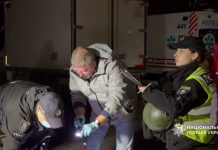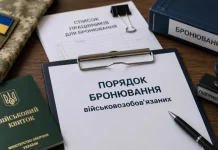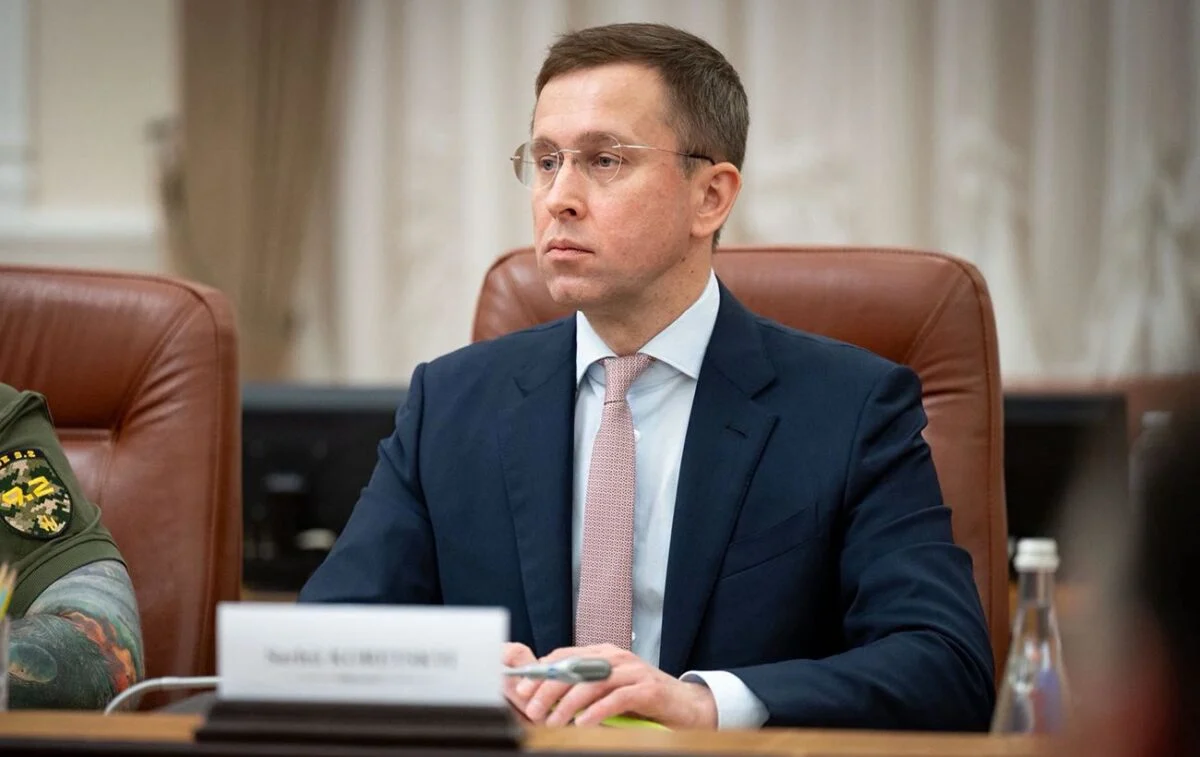
The Ukrainian Government plans to impose stricter penalties on citizens who evade mobilisation. On 26 October, Prime Minister Serhiy Koretskyi stated that finding additional measures to deter offenders remains one of the authorities’ priorities. Previously, possible measures mentioned included the freezing of bank accounts, restrictions on driving licences and access to administrative services. However, a specific list of new sanctions has not yet been approved, and their introduction will require appropriate legislative decisions.
- Prime Minister Serhiy Koretskyi has announced tougher penalties for evading conscription.
- Previously, the authorities had discussed restrictions on banking transactions, driving licences and administrative services.
- Some of the restrictions, in particular a temporary ban on driving imposed by a court order, are already provided for by law.
- The government and the business community plan to develop a new model for mobilisation and recruitment by 1 December.
What restrictions on draft dodgers are being considered in Ukraine?
The Prime Minister on the possible tightening of liability Sergey Koretsky he said on 26 October during the Kyiv International Economic Forum. According to him, the government is looking for ways to ensure that mobilisation obligations are met whilst at the same time establishing clear rules for citizens and employers.
Earlier, in July 2026, the military ombudswoman Olga Reshetilova announced that legislative proposals were being drawn up which would impose further restrictions on those evading conscription.
The proposed mechanisms include:
-
Freezing of bank accounts. The possibility of restricting access to funds and carrying out banking transactions in accordance with the procedure laid down by law.
-
Restrictions on driving licences. Tightening of the mechanisms for temporary driving bans.
-
Restrictions on administrative services. Access to certain services provided by Administrative Service Centres and other government bodies may be restricted.
-
Restrictions on movement. Additional legislative measures to trace individuals who fail to fulfil their mobilisation obligations.
-
Restrictions on the use of weapons. This proposal had previously been put forward by Members of Parliament during discussions on liability for breaches of mobilisation legislation.
However, on 26 October, Koretsky did not confirm the introduction of each of the measures listed. The final wording of the legislative amendments, the procedure for their implementation and any possible exceptions are not yet known.
Can bank accounts be frozen right now?
Current legislation does not provide for the automatic blocking of bank cards solely on the grounds that a person liable for military service is in TCK investigation.
However, funds may be frozen as part of enforcement proceedings, in particular due to an unpaid fine. In such cases, the restriction is applied in accordance with the procedure laid down by law, rather than automatically upon the appearance of the relevant entry in the military register.
A separate mechanism for freezing accounts specifically as a sanction for evading mobilisation will require legislative regulation.
Nor is there any question of a blanket ban – which has already been adopted – on applying for passports or accessing all administrative services. Such measures were discussed previously, but the final list of restrictions has not yet been determined.
What penalties are already provided for by law for those who fail to comply with the call-up?
In Ukraine, administrative and criminal liability already applies for breaches of military registration and evasion of conscription.
For breaching the legislation on mobilisation During this special period, fines ranging from 17,000 to 25,500 hryvnias are imposed on citizens. Evading conscription into military service during mobilisation, where the elements of a criminal offence are present, is punishable by imprisonment for a term of between three and five years.
Furthermore, the law permits the temporary restriction of the right to drive a motor vehicle by court order. For this to happen, the Traffic Police must follow the prescribed procedure, and the individual must fail to comply with the relevant requirement within the specified time limit.
The court also takes into account the circumstances in which a restriction might deprive a person of their main lawful source of income or affect the provision for the needs of people with disabilities.
Thus, some accountability mechanisms already exist, whilst the new proposals envisage a possible expansion of the list of such mechanisms.
Why does the government want to tighten liability?
Koretsky links upcoming changes the need to bolster the Armed Forces of Ukraine and ensure the rotation of service personnel who have been on the front line for a long time.
According to the Prime Minister, the number of workers exempted from military service is rising, whilst the armed forces need new recruits. The government also plans to review the criteria for classifying businesses as critical, so that workers in strategically important sectors are given priority for exemption.
A separate model is being considered under which businesses will be able to reserve staff in exchange for their voluntary fulfilment of agreed mobilisation obligations.
The Cabinet of Ministers plans to develop an appropriate mechanism by 1 December, in collaboration with the Ministry of Defence, the Ministry of Economy and the business sector.
At the same time, this deadline does not mean that new sanctions against those who evade their obligations will automatically come into force. In order to introduce additional restrictions, it is necessary to establish their legal basis, the procedure for their implementation and the appeal process.