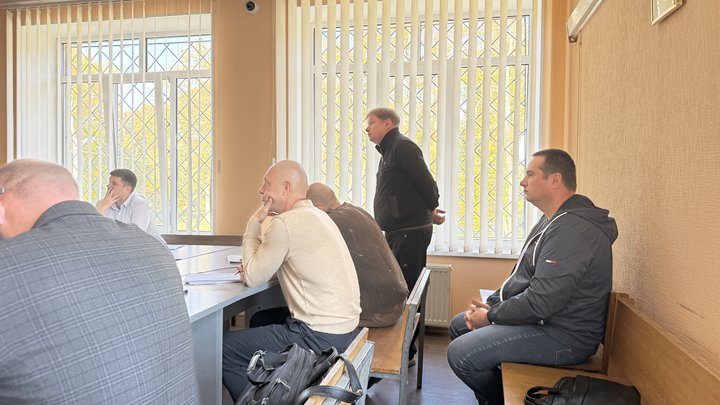
In Poltava, a former deputy head of a municipal funeral and memorial services company has been sentenced to five years’ imprisonment for extorting bribes from a private entrepreneur. The official demanded 25% in revenue from the transport of the bodies of deceased Ukrainian servicemen and up to 1,000 hryvnias for each burial. The verdict was handed down on 26 October 2026 by the Shevchenkivskyi District Court of Poltava, and the Office of the Prosecutor General announced it on 29 October.
- In Poltava, a former official of a funeral services municipal enterprise has been sentenced to five years’ imprisonment for accepting bribes.
- He demanded 25% in revenue from the transport of the bodies of fallen servicemen.
- For each burial, the contractor was initially required to pay 1,000 UAH, and subsequently 500 UAH.
- The court found it had been proven that an unlawful benefit of 25,200 UAH had been received.
- The sentence provides for the confiscation of half of the defendant’s assets and may be appealed.
How an official made money from burials
According to the case file, the former deputy director of the municipal enterprise «Specialised Funeral and Ceremonial Services Combine» Serhiy Nechyporenko began demanding money after being appointed to the post in February 2023. The victim was the owner of the private funeral parlour «Requiem». The entrepreneur provided funeral services, but the organisation of burials depended on the municipal enterprise that managed the city’s cemeteries. As the court ruled, the official created obstacles to the operation of private businesses. In particular, burials could be delayed for several days, and the relatives of the deceased were told to use the services of the municipal enterprise. To ensure that business could proceed unhindered, the official initially demanded 1,000 hryvnias for each burial. The sum was subsequently reduced to 500 hryvnias. Furthermore, he insisted that the entrepreneur refer every second client to the municipal funeral parlour.
Demanded 25% for the transport of deceased soldiers
The transport of bodies became a separate part of the corruption scheme Ukrainian servicemen, who died whilst defending Ukraine. According to the investigation, the businessman’s vehicles were used for these journeys. The official demanded that a quarter of the funds received for these services be handed over to him. In April 2023, the businessman handed over 13,200 hryvnias in cash to him. A further 12,000 hryvnias were transferred via a payment terminal to a bank card, the details of which were provided by the official. In total, the court found it proven that he had received 25,200 hryvnias in unlawful benefits. Law enforcement officers exposed the official in 2023. In July of that year, prosecutors filed an indictment with the court. The pre-trial investigation was conducted by investigators from the Main Investigation Department of the National Police, with operational support from the Poltava Department of Strategic Investigations.
What the defendant said in court
During the court proceedings, the former official did not admit his guilt. He denied having demanded money and claimed that burials took place in accordance with the order of priority and the workload of the cemetery staff. The defence insisted on an acquittal, citing the possibility that the offence had been provoked and raising doubts about the admissibility of certain pieces of evidence. Meanwhile, the prosecutors presented testimony from a businessman, bank documents and materials from covert investigative operations. The court found the evidence gathered to be sufficient for a conviction.
What sentence did the court impose?
The Shevchenkivskyi District Court of Poltava found the former official guilty under part three of Article 368 of the Criminal Code of Ukraine — the acceptance of an unlawful benefit by a public official.
The court sentenced him to:
-
5 years’ imprisonment;
-
the confiscation of half of the property in question;
-
a ban on holding certain managerial and administrative posts for a period of three years.
Until the judgement becomes final, the defendant remains subject to a preventive measure in the form of night-time house arrest. As at 29 October 2026, this refers to a judgement of the court of first instance, which may be appealed. Serving of the sentence will commence following the defendant’s actual arrest and the enforcement of the sentence.