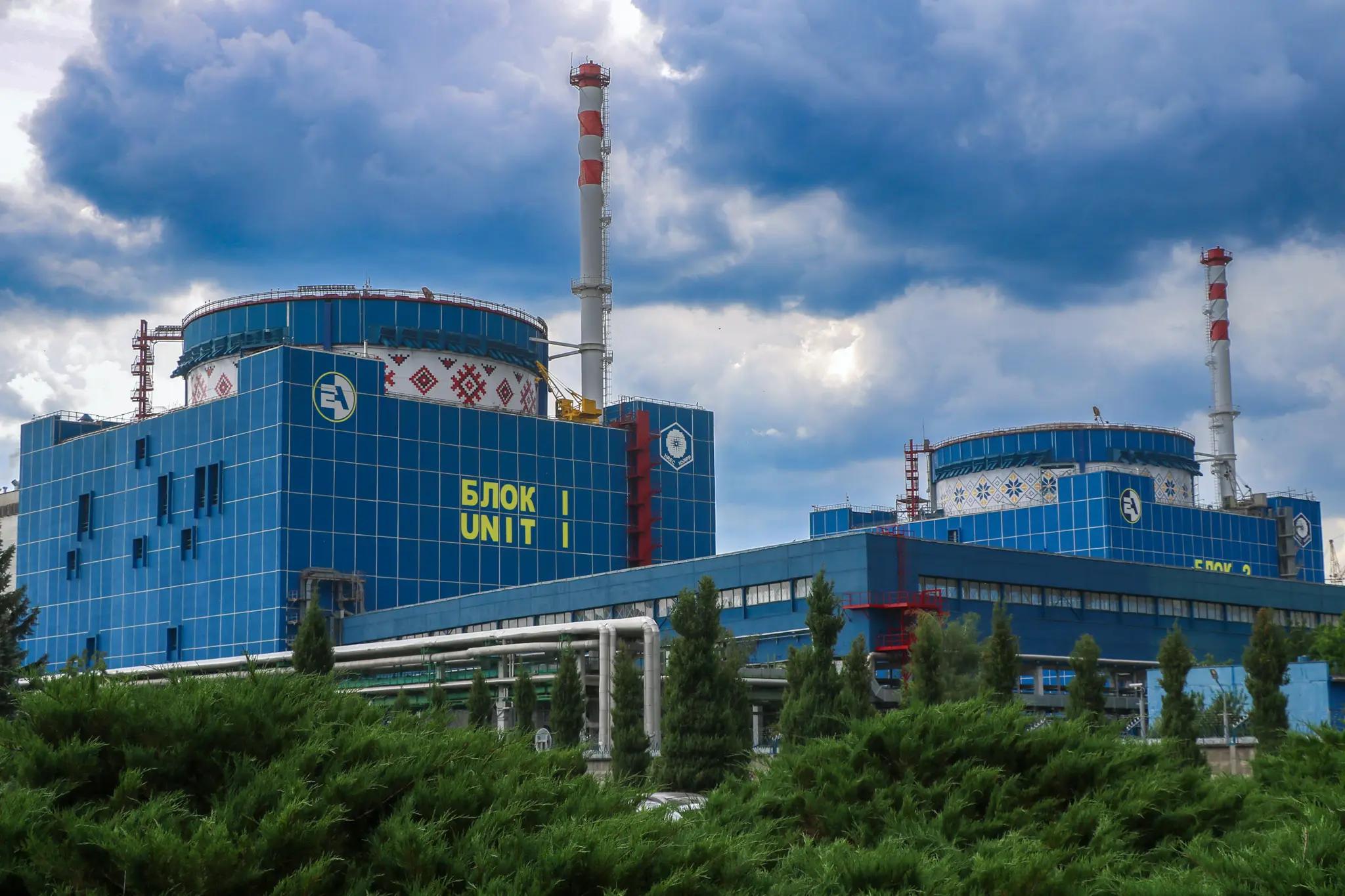
During a large-scale attack on 3 November 2026, Russia directed three attack drones at a substation that is critical to the operation of the Khmelnytskyi Nuclear Power Station. Ukraine has already informed the International Atomic Energy Agency (IAEA) and its international partners of this new threat to nuclear safety. This was announced by First Deputy Prime Minister and Minister for Energy Denys Shmyhal following a meeting with ambassadors from the G7 countries and the European Union.
- Russia sent three drones towards a substation that is vital to the operation of the Khmelnytskyi Nuclear Power Station.
- During the attack on 3 November, the Russian Federation deployed 289 drones and 76 missiles.
- The Ministry of Energy has warned of a threat to Europe’s nuclear safety.
- Ukraine has informed the IAEA, the G7 countries and the EU.
- There is as yet no information regarding any strikes, damage or disruption to the operation of the nuclear power station.
Russia attacked a substation near the Khmelnytskyi Nuclear Power Station
According to Denys Shmyhal, during the massive shelling of Ukraine on 3 November, Russian troops attacked power stations, substations and electricity transmission and distribution networks.
A substation on which the stable operation of the Khmelnytskyi Nuclear Power Station depends became a specific target.
«The enemy sent three drones towards a substation that is critical to the stable operation of the Khmelnytskyi Nuclear Power Station», said the Energy Minister.
Shmygal stressed that such actions pose a threat not only to the Ukrainian power grid, but also to nuclear safety European countries.
At the same time, the minister did not specify whether they had achieved drones whether the substation was undamaged. There were also no reports of any changes to the nuclear power station’s operating mode.
Why an attack on a substation could threaten nuclear safety
Electrical substations connect nuclear power stations to the national grid. They transmit the electricity generated and also supply external power to the stations’ equipment.
Damage to such facilities could result in the loss of individual power lines, the need to reduce reactor output, or the switchover of systems to backup power sources.
An uninterrupted power supply to cooling systems and other equipment, on which the safe operation of nuclear reactors depends, is of particular importance.
Similar situations have arisen before. In November 2025, the Khmelnytskyi and Rivne nuclear power stations were forced to reduce their output due to Russian strikes on energy infrastructure.
У IAEA It has been emphasised on numerous occasions that a reliable external power supply is one of the key prerequisites for nuclear safety.
However, the attack on the substation alone does not mean that an accident has occurred at the nuclear power station. To determine the actual consequences, data is required on the condition of the damaged equipment and the operation of the power units.
Ukraine has informed the IAEA of a new threat
Following the heavy shelling, the Ministry of Energy held a meeting with representatives of the G7 countries and the European Union.
International partners were informed of the scale of the Russian attack. Overall, according to the Ukrainian side, Russia deployed:
- 289 attack drones;
- 17 ballistic missiles;
- 59 cruise missiles.
Particular attention was paid to the attack on the substation at the Khmelnytskyi Nuclear Power Station.
The Ministry of Energy has passed on the relevant information to the IAEA and called on the international community to respond to the attacks on the infrastructure that supports the operation of Ukraine’s nuclear power stations.
As of the evening of 3 November, it is officially known that three drones were directed at a critical substation. Details regarding possible hits and damage are being clarified. There are no confirmed reports of a nuclear accident or a radiation leak. Russia attacked a substation near the Khmelnytskyi Nuclear Power Station
According to Denys Shmyhal, during the massive shelling of Ukraine on 3 November, Russian troops attacked power stations, substations and electricity transmission and distribution networks.
A substation on which the stable operation of the Khmelnytskyi Nuclear Power Station depends became a specific target.
«The enemy sent three drones towards a substation that is critical to the stable operation of the Khmelnytskyi Nuclear Power Station,» said the Energy Minister.
Shmyhal emphasised that such actions pose a threat not only to the Ukrainian power grid, but also to the nuclear safety of European countries.
At the same time, the minister did not specify whether the drones had hit their targets or whether the substation had sustained any damage. There were also no reports of any change in the nuclear power station’s operating mode.
Why an attack on a substation could threaten nuclear safety
Electrical substations connect nuclear power stations to the national grid. They transmit the electricity generated and also supply external power to the stations’ equipment.
Damage to such facilities could result in the loss of individual power lines, the need to reduce reactor output, or the switchover of systems to backup power sources.
An uninterrupted power supply to cooling systems and other equipment, on which the safe operation of nuclear reactors depends, is of particular importance.
Similar situations have arisen before. In November 2025, the Khmelnytskyi and Rivne nuclear power stations were forced to reduce their output due to Russian strikes on energy infrastructure.
The IAEA has repeatedly emphasised that a reliable external power supply is one of the key prerequisites for nuclear safety.
However, the attack on the substation alone does not mean that an accident has occurred at the nuclear power station. To determine the actual consequences, data is required on the condition of the damaged equipment and the operation of the power units.
Ukraine has informed the IAEA of a new threat
Following the heavy shelling, the Ministry of Energy held a meeting with representatives of the G7 countries and the European Union.
International partners were informed of the scale of the Russian attack. Overall, according to the Ukrainian side, Russia deployed:
- 289 attack drones;
- 17 ballistic missiles;
- 59 cruise missiles.
Particular attention was paid to the attack on the substation at the Khmelnytskyi Nuclear Power Station.
The Ministry of Energy has passed on the relevant information to the IAEA and called on the international community to respond to the attacks on the infrastructure that supports the operation of Ukraine’s nuclear power stations.
As of the evening of 3 November, it is officially known that three drones were directed towards a critical substation. Details regarding possible hits and damage are being clarified. There are no confirmed reports of a nuclear accident or a radiation leak.