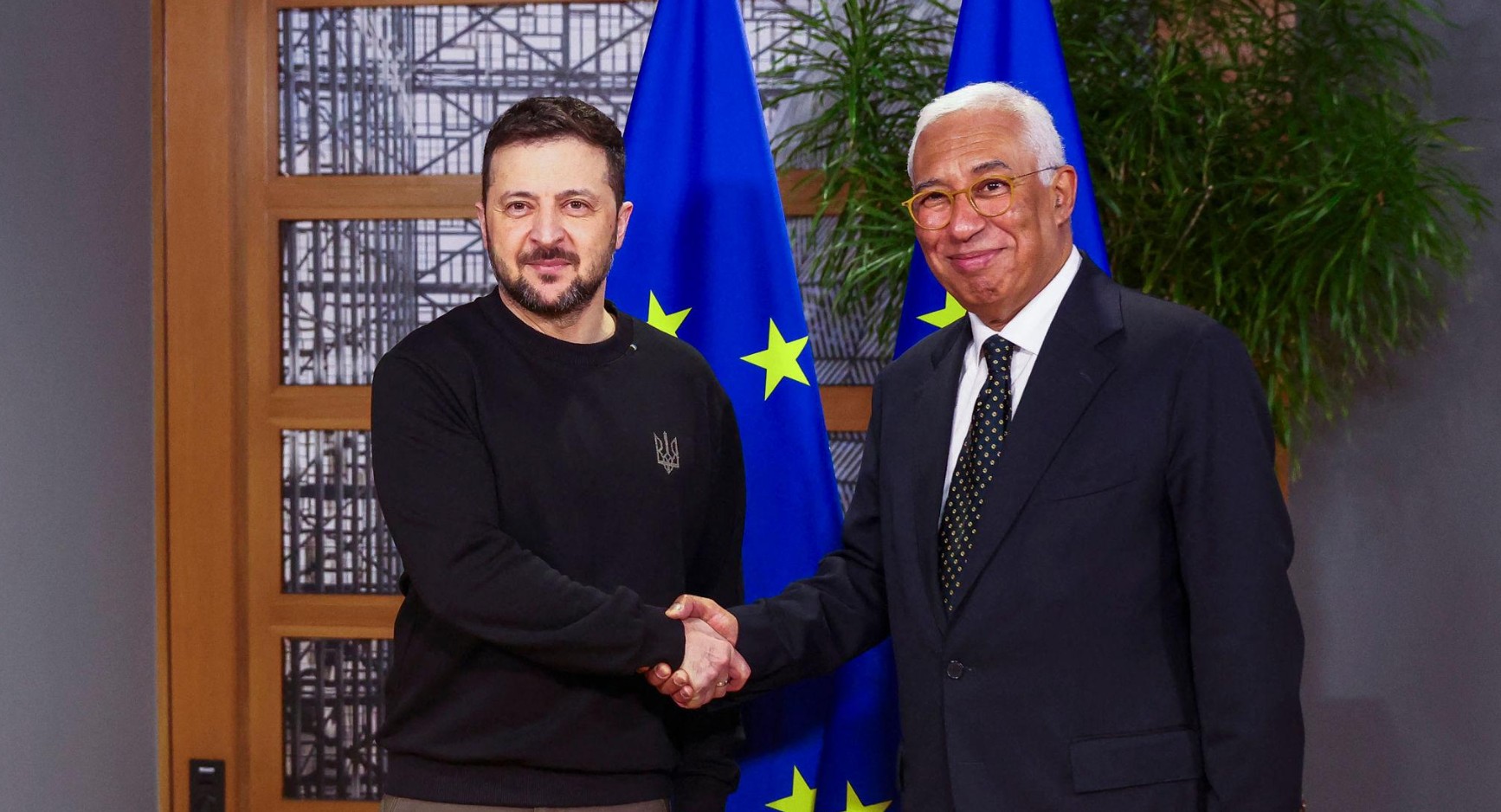
Ukraine aims to open all six negotiation clusters on accession to the European Union by the end of 2026, and to begin closing individual negotiation chapters as early as next year. President Volodymyr Zelenskyy announced these plans following a meeting with the President of the European Council, António Costa. Ukraine has currently opened four of the six clusters, and the completion of the first phase of negotiations depends on further decisions by EU member states.
- Zelenskyy discussed with Koshtya the acceleration of negotiations on Ukraine’s accession to the EU.
- Ukraine aims to open all six negotiation clusters by the end of 2026.
- Four clusters have now been established, whilst two more are awaiting approval from the EU Member States.
- In the first half of 2027, Ukraine plans to close seven chapters of the negotiations.
- The European Commission is calling on Kyiv to speed up judicial reform and the fight against corruption.
Ukraine expects to complete the establishment of the clusters by 2026
According to Zelensky, Ukraine continues to work with its European partners to speed up the negotiation process. The main objective for the coming months is to open the last two clusters so that negotiations can begin across all areas of European integration.
During a discussion with António Costa The parties focused on Ukraine’s next steps towards EU membership and the need to maintain the pace of decision-making.
There are currently four open negotiation clusters. The first, focusing on the basics of the accession process, was launched on 15 June. In July, negotiations began on the external relations cluster, and on 13 October the European Union officially opened two further areas — the internal market and competitiveness.
To complete this stage, the clusters covering energy, transport, environmental policy, agriculture and regional development still need to be established.
In 2027, Kyiv intends to move on to closing the negotiation chapters
The next stage involves assessing Ukraine’s compliance with European requirements and the gradual closure of the negotiation chapters.
There are 33 in total. Each covers a separate area of legislation and public policy — ranging from the judicial system and the fight against corruption to customs regulations, energy and financial services.
According to the Ukrainian government’s plans, Kyiv aims to receive a positive assessment of its fulfilment of the interim criteria for the first cluster as early as the beginning of 2027.
In the first half of the year, whilst Lithuania holds the presidency of the Council of the EU, Ukraine hopes to provisionally close seven chapters of the negotiations.
At the same time, the opening of all chapters does not mean that negotiations will automatically be concluded or that an accession date will be set. Each chapter requires the fulfilment of the established criteria and approval by the EU Member States.
The European Commission has called on Ukraine to speed up reforms
The day before, on 4 November, the European Commission presented its annual assessment of the progress made by the candidate countries towards EU accession.
In the document, Brussels noted Ukraine’s commitment to continuing its European integration despite the full-scale war, but emphasised the need for reforms to be implemented more swiftly.
The European Commission paid particular attention to the rule of law, the judicial system, the fight against corruption and the protection of the rights of national minorities.
The European Commission also noted that, in order to achieve the goal of concluding accession negotiations by the end of 2028, Ukraine needs to speed up the implementation of its commitments.
The final decision on membership will be taken by all EU Member States. Even after the negotiations have concluded, the accession treaty will require approval and ratification in accordance with the procedures of the European Union and its Member States.